
Summary:
If you’ve started noticing slow drains, an occasional odor near the yard, or you simply can’t remember the last time your system was serviced — you’re not alone. Most Long Island homeowners don’t think about their cesspool or septic system until something goes wrong. And by then, the options get more expensive fast.
The good news is that finding a reliable local septic pumping company doesn’t have to be complicated. You just need to know what to look for — and what to avoid. Here’s a straightforward breakdown of everything that matters.
What Local Septic Pumping Companies Actually Do
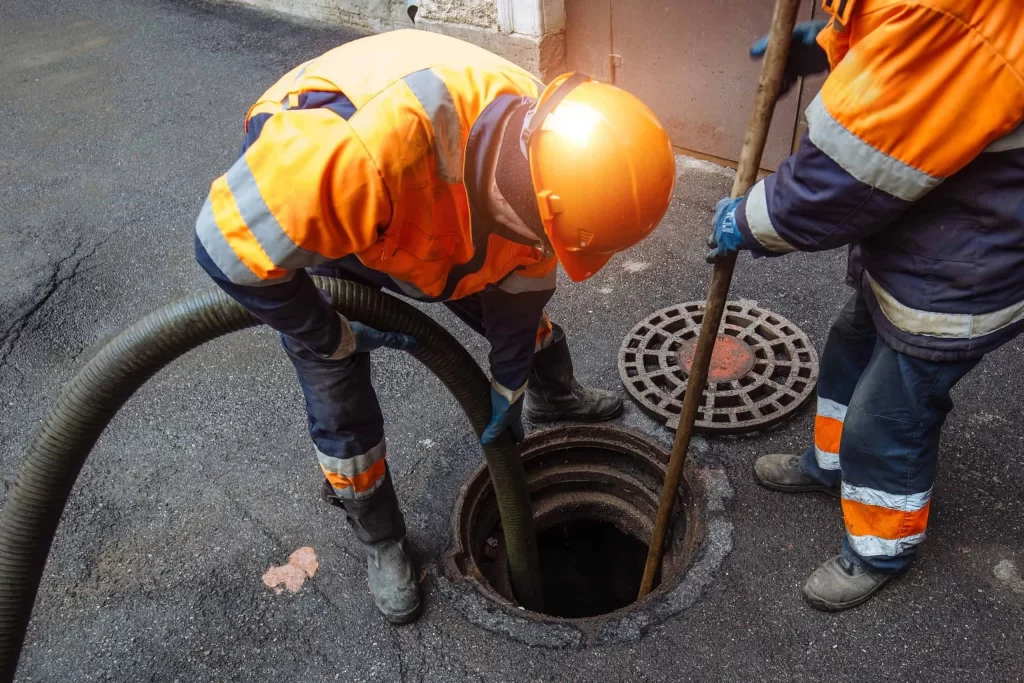
Septic pumping sounds simple — and in some ways it is. A truck shows up, pumps out the accumulated solids and liquid from your tank or cesspool, and leaves. But we do quite a bit more than that.
A thorough service includes inspecting the tank’s condition, checking the baffles and inlet and outlet pipes, documenting what we find, and giving you a clear picture of the system’s health before we drive away. If something looks off, you should hear about it — plainly, without pressure.
Cesspool vs. Septic System: Which One Does Your Long Island Home Have?
This is one of the most common questions we hear from Long Island homeowners, and it’s worth getting straight before you call anyone.
A cesspool is a single pit — usually concrete — that receives all household wastewater. There’s no separation of solids from liquids, and no drain field. Older homes, particularly those built before the 1970s across Nassau and Suffolk counties, are far more likely to have a cesspool than a modern septic system. If your home was built in Levittown, Babylon, Copiague, or most of the island’s post-war neighborhoods, there’s a good chance you have a cesspool underground.
A septic system is more sophisticated. It uses a tank to separate solids from liquid, and the clarified liquid then flows into a leach field where it slowly filters into the soil. Modern septic systems are more efficient and better for the environment — but they’re also less common in older Long Island housing stock.
Why does this distinction matter? Because the maintenance schedules, failure modes, and service requirements are different. A cesspool that’s neglected long enough will eventually fill with solids and push waste into the surrounding soil — or back into your home. A septic system can fail at the tank level or at the drain field level, which requires different diagnosis.
Suffolk County Department of Health recommends pumping every three years as a baseline. For older cesspools, we typically suggest every one to two years depending on household size and usage. A family of four with a standard 1,000-gallon tank usually hits the three-year mark before service is genuinely urgent — but Long Island’s sandy soil and high water table can accelerate that timeline, especially after wet winters or heavy spring rains.
The bottom line: if you don’t know what you have, we can tell you during the first service visit.
Warning Signs Your Long Island Cesspool or Septic System Needs Pumping Now
Some homeowners wait for an obvious sign before calling. The problem is that by the time the obvious signs appear, the system is often already past the point of simple maintenance.
The earliest warning is usually sluggish drains — not just one slow sink, but multiple fixtures draining more slowly than usual. That’s a sign the system is reaching capacity. A gurgling sound from toilets or drains when water runs elsewhere in the house is another early indicator worth taking seriously.
Outdoor signs can be just as telling. If the grass over your cesspool or septic tank is noticeably greener and lusher than the surrounding yard, that’s not a good thing — it means the system is leaching nutrients into the soil above it. Soft or wet ground in the same area, even when it hasn’t rained recently, points to the same problem.
Odors are the most obvious sign, but they’re also the latest. A faint sewage smell near the tank area or inside the home — particularly in lower-level bathrooms — means the system is already under stress. At that point, you’re not scheduling routine maintenance anymore. You’re responding to a problem.
Here’s why this matters specifically on Long Island: the island sits atop a sole-source aquifer that supplies drinking water to more than three million residents. There’s no backup source. When a cesspool fails and untreated waste reaches the groundwater, it’s not just a problem for the homeowner — it’s a problem for the community. The same is true for Long Island’s bays. Nitrogen runoff from failing cesspools has been documented as a contributing factor to declining water quality in the Great South Bay, the Peconic Bay, and other beloved local waterways. Regular pumping isn’t just home maintenance. On Long Island, it’s a responsibility.
How to Choose a Local Septic Pumping Company on Long Island
There’s no shortage of companies offering cesspool and septic service across Nassau and Suffolk counties. The challenge is knowing which ones are actually worth calling.
Licensing is the starting point. Suffolk County Code Article VII specifically governs septic industry businesses operating in the county — and it requires at least five years of verifiable industry experience, plus proof of ownership of a dedicated pump truck. That’s a real bar, and not every operator clears it. Always ask for proof of licensing and insurance before anyone touches your property.
Beyond the basics, pay attention to how a company communicates before you book.
What Separates a Trustworthy Septic Company from One That Cuts Corners
The biggest red flag in this industry is a company that only removes liquid during a pump and leaves the solids behind. It’s faster, it looks like the job got done, and it costs less — but it doesn’t actually solve the problem. Within months, you’re back to where you started. A legitimate pump includes removing solids, scum, and liquid from the tank, not just the easy part.
Documentation matters too. After a proper service, you should receive written notes on the tank’s condition — including the state of the baffles, any cracks or damage observed, and any follow-up recommendations. If a company leaves without giving you anything in writing, that’s worth noting.
Subcontracting is another issue that doesn’t get talked about enough. Some companies that advertise locally are actually dispatch operations — they take your call and send out whoever is available. You have no idea who’s showing up, what their experience level is, or whether they’re following the same standards the company advertises. When you’re dealing with something as critical as your home’s wastewater system, that matters.
We do all our own work with our own trained team and our own equipment. You can verify this by asking directly: “Is your crew your own employees, or do you use subcontractors?” A straight answer tells you a lot.
Finally, think about what happens if the pump reveals a bigger problem. A cesspool inspection might uncover a cracked tank, a failing sewer line, or a connection issue that requires more than a pump truck. A company that can only pump — and has to refer you elsewhere for anything more — adds a layer of coordination and uncertainty you don’t need. We can handle whatever we find, from routine maintenance through full repair or replacement.
Why Long Island Homeowners Should Ask About Trenchless Repair Options
Most homeowners searching for a local septic pumping company aren’t thinking about trenchless repair. But they probably should be — because the two are more connected than people realize.
Here’s a common scenario on Long Island: a routine cesspool pump reveals that the issue isn’t just a full tank. There’s a damaged sewer line running from the house to the cesspool, or the connection between the two has deteriorated. In older homes across Nassau and Suffolk, this is not unusual. Pipes installed in the 1950s and 1960s are reaching the end of their usable life.
The traditional fix is excavation. A crew digs up the yard, removes the old pipe, installs new pipe, and backfills. For homes with mature landscaping, a paved driveway, or a patio over the line, that’s a significant disruption — and a significant additional cost on top of the repair itself.
Trenchless technology changes that calculation. Pipe lining — technically called cured-in-place pipe lining — involves feeding a resin-saturated liner into the existing pipe and curing it in place, essentially creating a new pipe inside the old one. Pipe bursting replaces the old pipe entirely by pulling a new pipe through while simultaneously fracturing the old one outward. Both methods require only small access points rather than a full trench. In most cases, your yard, driveway, and landscaping stay intact.
This isn’t a specialty reserved for commercial properties or large-scale projects. It’s available for residential homes across Long Island, and for many properties it’s actually the preferred approach — faster, less disruptive, and often comparable in cost once you factor in the restoration work that excavation requires. If we can handle both the pump and the repair without digging up your property, that’s worth knowing before you book anyone.
Finding the Right Local Septic Pumping Company on Long Island Comes Down to This
You don’t need to become an expert in wastewater systems. You just need a company that shows up when they say they will, tells you honestly what they find, and can handle whatever comes next without sending you to someone else.
On Long Island specifically — where aging cesspools, a sole-source aquifer, and strict county regulations all factor into the picture — the company you choose matters more than it might in other markets. Routine maintenance protects your property, your drinking water, and your ability to sell your home without surprises.
We’ve been doing this work across Nassau and Suffolk counties for nearly 40 years. If you’re ready to schedule service or you just want to understand what your system actually needs, give us a call and we’ll give you a straight answer.