Directional drilling explained
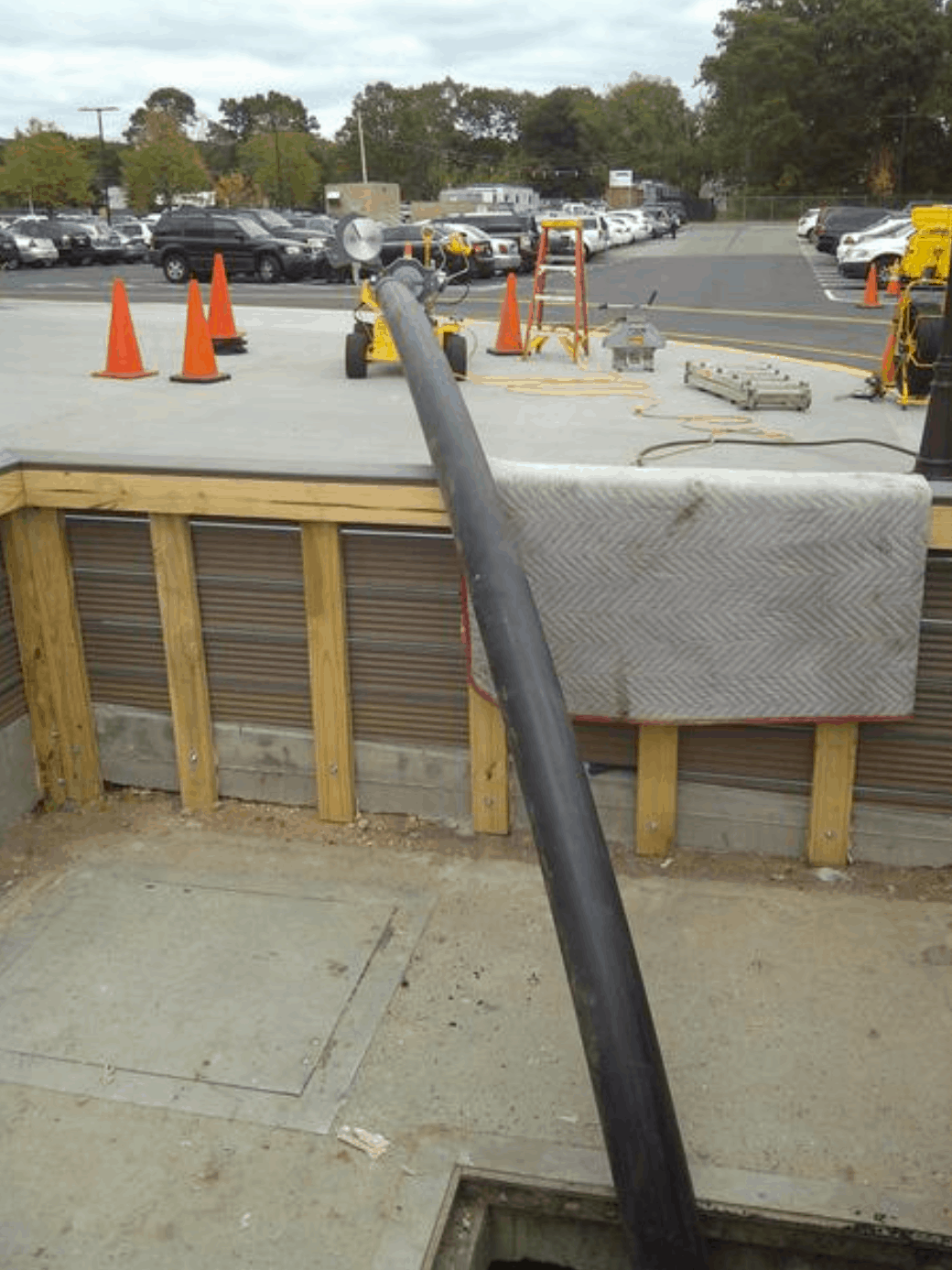
Directional drilling is a method that is used to install underground utilities, such as water lines, sewer lines, cable systems, and piping systems. A form of trenchless technology, drilling takes a utility from one point to another without disturbing the surface above or any obstacles that lie between the two points.
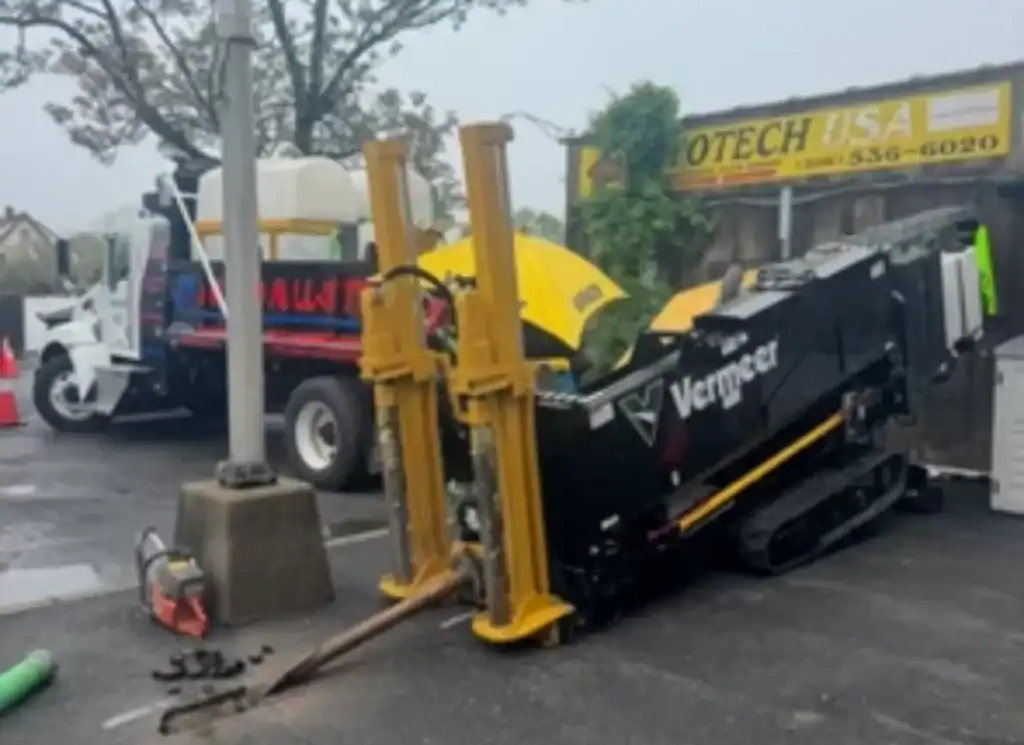
The process involves using boring machines to drill a pilot hole into the ground at specified locations. The boring machine is outfitted with advanced technologies that allow it to change direction in the event that it comes across any underground obstructions. Once the pilot hole is in place, a new utility line, such as a water or sewer line, or piping system, is installed. The installation of the lines or pipes can then be completed underground.
Trenchless Technology: Install utilities underground without disrupting the surface or encountering obstacles along the way.
Precision Boring: Specialized boring machines create a pilot hole and can change direction if underground obstacles are detected.
Efficient Installation: After the pilot hole is drilled, utility lines like water or sewer pipes are installed without surface disruption.
Preferred Method: Long Island Sewer and Water Main utilizes directional drilling for the installation of underground conduits, ensuring minimal surface impact.
Trenchless Pipe Installation: We focus on advanced trenchless techniques for seamless and efficient installation of water and sewer lines.
At Long Island Sewer and Water Main, we’re experts at directional drilling. It’s our preferred method for conduit installation, such as underground water and sewer lines, as it allows for trenchless pipe installation.