
Summary:
Most Long Island homeowners don’t think about their cesspool or septic system until there’s a problem. A slow drain, a smell near the yard, or a sewage backup — that’s usually when the calls start. But by that point, what could have been a $400 pumping job has often turned into something much more complicated.
This guide covers what you actually need to know: how often pumping is required, what it costs in Nassau and Suffolk County, when routine service turns into something bigger, and how to find a company you can trust to be straight with you. No fluff — just the information that helps you make a good call.
How Often Do Local Septic Pumping Services Actually Need to Happen?
The EPA’s general guidance is every one to three years, but that’s a national average that doesn’t account for Long Island’s specific conditions. The high water table across much of Nassau and Suffolk County puts more hydraulic stress on cesspools and septic systems than you’d find in most inland areas. We recommend pumping every three years as a baseline — and more frequently if you have a larger household or an older system.
Suffolk County now also has a formal inspection requirement: every three years, your system needs to be inspected and the results submitted to the county. Nassau County’s requirement is every five years. These aren’t suggestions — they’re part of an ongoing regulatory push to address nitrogen contamination in Long Island’s groundwater, which is the sole drinking water source for the entire island. When you understand what’s at stake environmentally, the maintenance schedule starts to make a lot more sense.
Local Septic Pumping Services: What the Process Actually Looks Like
A lot of homeowners aren’t sure what they’re actually paying for when they schedule a pumping. Here’s what a proper service call should include — and what to watch out for if it doesn’t.
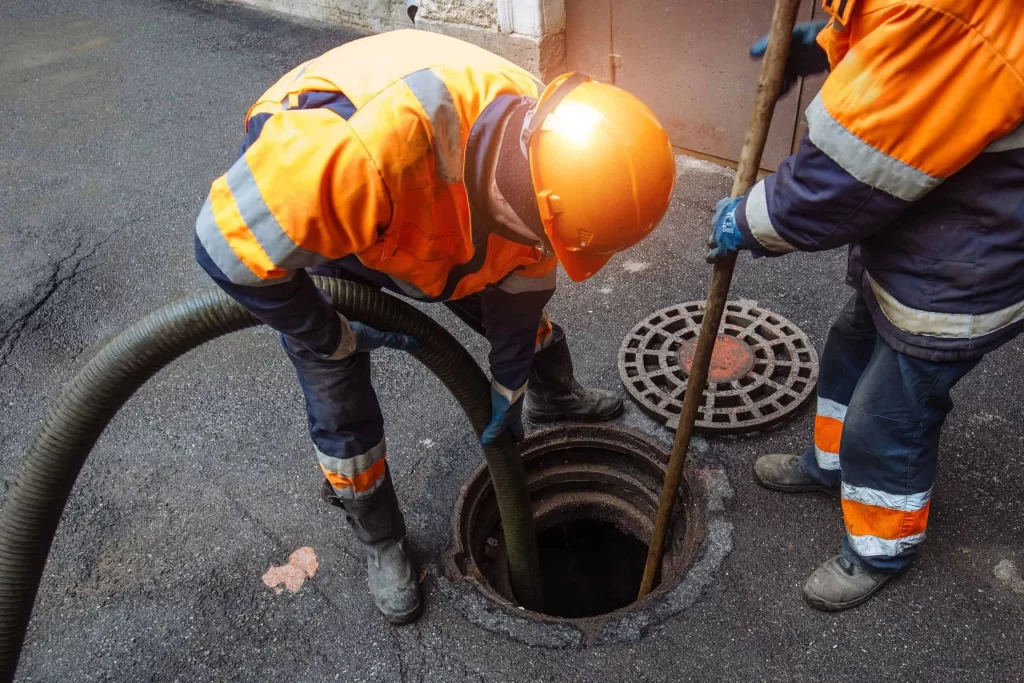
Our technicians locate the tank first, using electronic detection equipment if the lid isn’t already accessible. Once the system is located and uncovered, we pump out the accumulated solids and liquid waste using a dedicated vacuum truck. A proper inspection during pumping is critical — we check the condition of the inlet and outlet baffles, look for signs of cracking or structural damage, and assess whether the drain field or leaching pool shows signs of stress. That inspection piece matters. A pump-and-go that skips the visual assessment is a missed opportunity to catch a small problem before it becomes a large one.
After the pumping is complete, waste is transported to a licensed disposal facility. This isn’t optional — New York State requires a DEC Part 364 permit for septage transport, and any company operating without one is cutting corners in a way that could create liability for you as the property owner. It’s worth asking about before anyone starts work.
What you should not experience is a technician showing up, quoting a low base price, and then adding fees for digging, access, or “extra waste” that weren’t mentioned when you called. We give clear, upfront estimates that include everything — no surprise charges when the job is done.
Septic Removal Company vs. Routine Pumping: When You've Crossed That Line
Routine pumping and full system removal are very different conversations, and knowing which one applies to your situation can save you from being pushed toward work you don’t need — or from delaying work you actually do.
Pumping is maintenance. It extends the life of a functioning system by removing accumulated solids before they overflow into the drain field. Most residential systems in good condition can handle decades of service with regular pumping. But Long Island’s housing stock is older than most people realize — the majority of cesspools on the island were installed in the 1940s through the 1970s. A system that’s 50 or 60 years old may be functioning fine today, or it may be showing signs that it’s nearing the end of its useful life.
Signs that point toward replacement rather than pumping include sewage surfacing in the yard, persistent sewage odors that don’t resolve after pumping, multiple drain backups happening simultaneously, or a system that needs to be pumped far more frequently than the three-year guideline. A camera inspection — where you can watch the feed in real time alongside our technician — is one of the most useful tools for making this call clearly, because you’re seeing exactly what we’re seeing rather than taking our word for it.
If replacement is necessary, the regulatory landscape in both Nassau and Suffolk County has changed significantly since 2019. Any failed system that needs to be replaced must now be replaced with an Innovative/Alternative Onsite Wastewater Treatment System, commonly called an I/A OWTS. These are nitrogen-reducing systems that can remove up to 90% of nitrogen from wastewater before it reaches the groundwater — a meaningful difference in a county where the bays and harbors are directly affected by what goes into the ground. The upfront cost is higher than a conventional replacement, typically in the $15,000 to $25,000 range, but grant programs from Suffolk County, Nassau County, and New York State can cover a substantial portion of that — in some cases, up to $25,000 or more. We know how to navigate that process, which is worth a lot more than just handing you a proposal and leaving you to figure out the paperwork.
What Does Cesspool Pumping Cost on Long Island?
Pricing for septic and cesspool pumping on Long Island runs higher than the national average, which sits around $315. On the island, routine pumping for a standard residential system typically falls in the $300 to $600 range. A 1,000-gallon tank usually runs $225 to $400; a 2,000-gallon system is more in the $400 to $600 range. Emergency or after-hours service commands a premium above those figures.
The variables that affect your final cost include tank size, accessibility, how long it’s been since the last pumping, and whether any additional work — like locating a buried lid or clearing a blockage — is needed. We give clear, specific estimates before any work begins, so there are no surprises when the job is done.
24 Hour Cesspool Service on Long Island: What You Should Expect
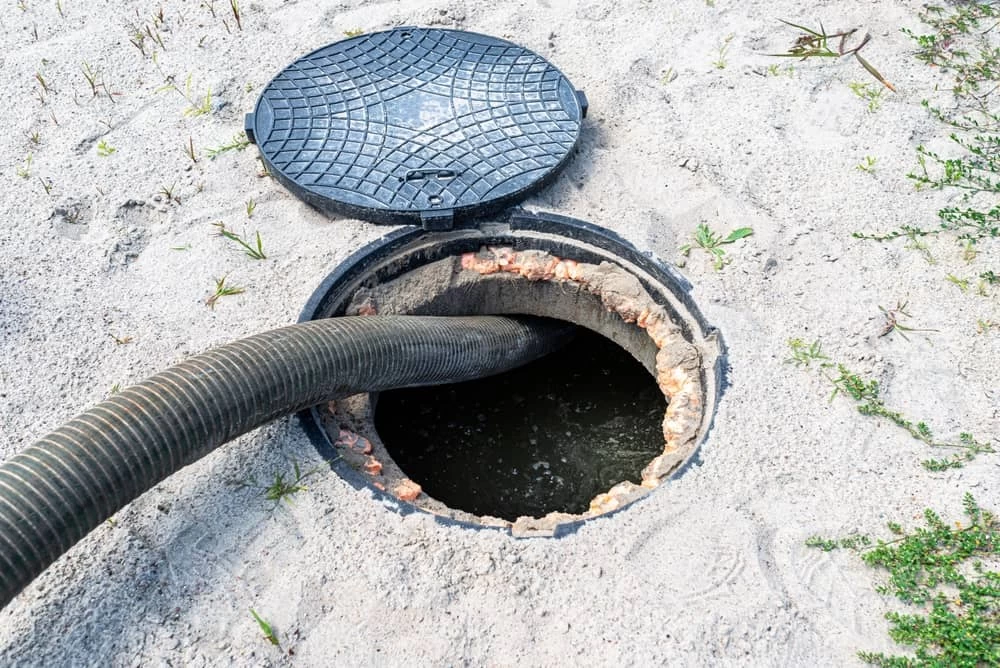
A cesspool backup doesn’t wait for business hours. Raw sewage coming up through a floor drain or toilet is a health hazard, and it’s the kind of situation where you need someone to answer the phone and actually show up — not a voicemail and a callback the next morning.
We offer true 24/7 emergency service, which means someone picks up at 2 a.m. on a Sunday and a crew is on the way. That’s different from a company that lists “24/7” on their website but routes after-hours calls to an answering service with no dispatch capability. The distinction matters when you’re standing in a flooded basement.
For homeowners in Suffolk County towns like Huntington, Islip, Babylon, and Brookhaven — where the majority of homes are on cesspools rather than municipal sewer — emergency pumping capacity is particularly important after major storm events. When a nor’easter or heavy rain saturates the ground and raises the water table, cesspool failures spike across the region. Having our number saved before that happens is worth more than scrambling to find someone in the middle of a storm.
How to Choose the Right Local Septic Pumping Company in Nassau or Suffolk County
The cesspool and septic service industry on Long Island has a wide range of operators — from long-established family businesses to newer entrants and one-truck operations with no verifiable credentials. The difference in quality, accountability, and outcome can be significant, so it’s worth knowing what to look for before you make a call.
Licensing is the starting point. In Suffolk County, companies need a Liquid Waste License from the Department of Labor, Licensing, and Consumer Affairs. In Nassau County, there’s a parallel licensing requirement through Consumer Affairs. New York State requires a DEC Part 364 permit for transporting septage. These aren’t technicalities — they’re the baseline requirements that separate a legitimate operation from one that’s cutting corners. Ask for license numbers, and don’t be put off if a company volunteers them upfront. That’s a good sign.
Insurance matters equally. General liability and workers’ compensation protect you as the homeowner if something goes wrong on your property. A company that can’t produce certificates of insurance before starting work is a company you should pass on.
Beyond the credentials, the practical questions are about how the company actually operates. Do they use their own crews on every job, or do they subcontract? Subcontracting isn’t inherently bad, but it does mean the person showing up at your door may not be held to the same standards as the person you spoke to on the phone. Do they give you a written estimate before work begins? Do they explain what they found in plain language rather than pushing you toward the most expensive option? These are the things that distinguish a company you’ll call again from one you’ll warn your neighbors about.
Long Island is a market where word of mouth still travels fast. We’ve been operating in Nassau and Suffolk County since 1980, serving the same towns, the same neighborhoods, the same families. That track record is earned by doing the job right.
Finding a Septic Pumping Company on Long Island You Can Actually Rely On
Routine pumping is one of the least expensive forms of home maintenance you can do on Long Island — and one of the most consequential if you skip it. A system that gets pumped on schedule lasts decades longer than one that’s ignored until it fails. And when it does fail, the cost difference between a planned upgrade and an emergency replacement is significant.
If your system is overdue, showing symptoms, or you simply don’t know when it was last serviced, getting an inspection scheduled is the right first move. The same applies if you’ve been told you may need an upgrade — understanding your options, the grant programs available, and what the process actually looks like is a lot easier with a contractor who’s been through it hundreds of times.
Long Island Water and Sewer Main – Allied All City has been doing this work across Nassau and Suffolk County since 1980. If you have questions about your system or want to get something scheduled, give us a call.