
Summary:
You notice the water pooling around your feet in the shower. The kitchen sink takes forever to drain. Your basement floor drain gurgles after you run the washing machine. So you grab a plunger, maybe pour some chemicals down there, and hope it clears up.
Sometimes it does. For a week or two.
Then it’s back. Slower than before. And now you’re wondering if there’s something bigger going on that a bottle of drain cleaner can’t touch. Here’s what most people don’t realize about clogged drains—and why the “quick fix” approach usually just delays the real problem.
Understanding Clogged Drain Causes: From Simple to Complex
Not all clogs are created equal. A wad of hair near your shower drain is a completely different situation than tree roots infiltrating your main sewer line. The problem is, from your perspective, they both look the same—water draining slowly or not at all.
Simple clogs happen close to the drain opening. Hair, soap scum, food particles, grease that’s cooled and hardened. These are surface-level issues. A plunger might actually work. A drain snake could pull out the blockage. You see immediate results.
Complex clogs sit deeper in your plumbing system. They develop over months or years. Mineral deposits from hard water narrow your pipes gradually. Tree roots find tiny cracks in your sewer line and expand. Old cast iron pipes corrode from the inside. By the time you notice slow drainage, the problem’s been building for a while. And that’s when the DIY approach starts costing you more than it saves.
Why Chemical Drain Cleaners Usually Make Things Worse
Walk into any hardware store and you’ll see shelves of drain cleaners making big promises. Dissolves hair. Cuts through grease. Clears clogs fast. And they might—temporarily.
Here’s what those bottles don’t tell you. Chemical cleaners work by creating heat through a chemical reaction. That heat is supposed to melt whatever’s blocking your drain. But it doesn’t discriminate. It can warp older pipes, especially if they’re already weakened. It can damage the joints where pipes connect. And if you’ve got PVC or older galvanized pipes, you’re potentially creating a bigger problem than you started with.
The other issue? Chemicals need water flow to reach the blockage. If your drain is completely stopped up, that cleaner is just sitting there in standing water, not doing much of anything. Then when you call a professional, we have to deal with caustic chemicals in the line, which makes the job more dangerous and complicated.
Even if the chemical cleaner does clear your clog, it’s only removing what it can dissolve. If the real problem is a broken pipe, root intrusion, or improper slope in your drainage system, you’ll be buying another bottle in two weeks. And another one after that.
Long Island homes deal with additional challenges that make chemical cleaners even less effective. The high water table across Nassau County means your pipes are constantly dealing with groundwater pressure. Coastal salt air accelerates corrosion in older plumbing. Seasonal ground movement can shift pipes and create new weak points. A chemical cleaner can’t fix any of that.
The Real Culprits Behind Recurring Blocked Drains
If you’re dealing with the same clog over and over, something’s creating conditions where blockages keep forming. It’s not bad luck. It’s usually one of these issues.
Grease is probably the biggest repeat offender in kitchen drains. It goes down hot and liquid, then cools and solidifies inside your pipes. It catches food particles. It builds up layer by layer until water can barely squeeze through. Pouring hot water down afterward doesn’t help as much as people think—it just moves the grease a little further down the line before it hardens again.
Hair combines with soap scum to create stubborn clogs in bathroom drains. The soap residue acts like glue, binding hair into a mass that snags everything else flowing past. Even short hair from shaving adds up over time. And once that net forms, it grows fast.
Tree roots are a major problem on Long Island, where mature trees are common in older neighborhoods. Roots naturally seek out moisture. They find tiny cracks or loose joints in your sewer line and work their way in. Once inside, they expand and create serious blockages. You might not even know you have trees close enough to your sewer line to cause problems, but their root systems extend much further than you’d expect.
Hard water leaves mineral deposits inside your pipes. Calcium and magnesium build up gradually, narrowing the diameter of your pipes. This is especially common in Nassau and Suffolk County homes. The buildup doesn’t just slow drainage—it creates rough surfaces inside your pipes where other materials can catch and accumulate.
Old pipes simply deteriorate. Cast iron corrodes. Clay cracks. Even newer materials can fail if they weren’t installed correctly or if ground movement has shifted them. If your home is 30 or 40 years old and still has original plumbing, you’re probably dealing with pipes that are past their prime. They might look fine from the outside, but inside they’re rough, corroded, or developing weak spots that will eventually fail.
When a Blocked Drain Requires Professional Intervention
There’s a point where DIY stops being cost-effective and starts being expensive. Knowing that line can save you from turning a manageable problem into a disaster.
If multiple drains are backing up at the same time, you’re not dealing with individual clogs. You’ve got a main sewer line issue. When you flush the toilet and water backs up into your shower, or when running the washing machine causes your basement floor drain to overflow, the blockage is downstream from all those fixtures. That’s not something a plunger can reach.
Gurgling sounds mean air is trapped in your plumbing system. When water can’t flow normally through your pipes, it creates pressure that forces air back through your drains. You’ll hear bubbling or gurgling, especially in lower-level fixtures. This often indicates a partial blockage that’s getting worse, or a venting problem that needs professional diagnosis.
Foul sewage odors that persist are a red flag. Your drains have traps—U-shaped bends that hold water to block sewer gases from entering your home. If those traps are working properly and you’re still smelling sewage, you’ve got a problem somewhere in your system that’s allowing gases to escape. This could be a dry trap, a damaged vent, or a crack in your sewer line.

Basement Drain Clogged: Long Island's Unique Challenge
Basement floor drains in Nassau County homes face conditions that make them particularly prone to problems. Understanding why helps explain why they need different treatment than your typical clogged drain.
The high water table across Long Island means groundwater sits just a few feet below the surface in many areas. After heavy rain or spring snowmelt, that water table rises and pushes against your basement floor and foundation walls. Your basement drain is the lowest point in your plumbing system, so it’s where problems show up first.
Water doesn’t need visible cracks to find its way in. It seeps through porous concrete, through joints where your basement floor meets the foundation walls, through tiny openings you’d never notice. When the water table is elevated and your basement drain is already dealing with normal household wastewater, the system gets overwhelmed fast.
Basement drain clogs often aren’t actually clogs in the traditional sense. Sometimes the drain is fine, but groundwater pressure is preventing proper drainage. You pump your cesspool or septic system, thinking that’ll solve it. Two weeks and one rainstorm later, you’re backing up again. The issue isn’t waste accumulation—it’s hydraulic pressure from the elevated water table.
Older Long Island homes have an additional challenge. Drainage systems installed 30 or 40 years ago can clog with sediment, crack from ground movement, or simply stop functioning as materials deteriorate. Clay pipes crack. Cast iron corrodes. Even the slope of the drainage system can change as soil settles and shifts over decades.
If your basement drain backs up primarily during or after heavy rain, you’re seeing the water table issue in action. If it backs up when you’re running multiple water-using appliances at once, you might have a capacity problem or a partial blockage. If it backs up seemingly at random, you could have root intrusion, a broken pipe, or a main sewer line issue.
The sandy soil common in parts of Long Island allows water to travel sideways toward your foundation. Clay pockets trap moisture against basement walls. Many neighborhoods have a mix of both, which makes groundwater movement unpredictable. Your neighbor might never have basement drainage issues while you’re dealing with them constantly, simply because of slight differences in soil composition.
What Professional Drain Cleaning Actually Involves
Professional drain cleaning looks nothing like the DIY version. The tools, the approach, and the results are completely different.
Camera inspection usually comes first. A waterproof camera on a flexible cable goes into your drain and shows exactly what’s happening inside your pipes. You see the blockage. You see root intrusion. You see cracks, corrosion, improper slope, whatever’s causing the problem. There’s no guessing. This technology has essentially eliminated the need for exploratory digging in most cases.
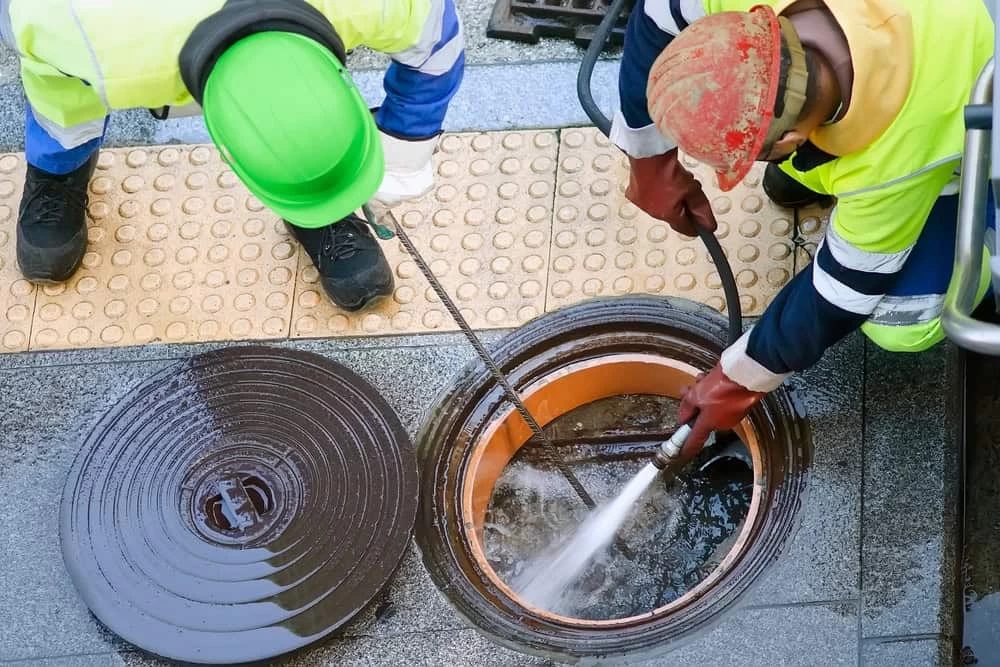
Hydro-jetting uses high-pressure water to clean pipes thoroughly. It’s not just breaking up a clog—it’s scouring the inside of your pipes, removing years of buildup, grease, mineral deposits, and debris. The water pressure is carefully controlled to clean effectively without damaging pipes. After hydro-jetting, your drains flow like new. It’s particularly effective for grease clogs, root intrusion, and mineral buildup.
Professional-grade drain snakes are much more powerful than anything you can buy at a hardware store. They can reach deep into your plumbing system, navigate bends and joints, and break through or pull out blockages that a handheld snake can’t touch. Different sizes and types of snakes are used depending on the location and nature of the clog.
For tree root problems, specialized cutting heads attach to drain snakes to cut through roots and clear the line. This is often followed by camera inspection to assess the condition of the pipe and determine if repair or replacement is needed. Root intrusion usually indicates damage to the pipe that will allow roots to return unless the underlying issue is addressed.
Trenchless technology has changed how sewer and water line problems are fixed. Pipe bursting replaces old pipes by pulling new pipe through the existing line, breaking up the old pipe and pushing it aside. Pipe lining creates a new pipe inside the old one using epoxy that’s inserted, expanded, and cured in place. Both methods avoid the cost, disruption, and property damage of traditional excavation. For Long Island homeowners, this means no destroyed landscaping, no torn-up driveways, and no weeks of construction mess.
The real value of professional service isn’t just clearing the current clog. It’s identifying why the clog formed in the first place and addressing that underlying cause. We don’t just snake your drain and leave. We explain what we found, what caused it, and what you can do to prevent it from happening again. We might recommend preventive maintenance, system upgrades, or repairs that will save you from emergency calls in the future.
Getting Clogged Drains Fixed Right the First Time
Here’s what actually matters when you’re dealing with a clogged drain: knowing the difference between a surface-level problem you can handle yourself and a deeper issue that needs professional equipment and expertise. Chemical cleaners and plungers have their place, but they’re not solutions for recurring clogs, multiple backed-up fixtures, or problems that keep returning.
Long Island’s high water table, aging infrastructure, and local soil conditions create drainage challenges that require more than generic fixes. Basement drains in Nassau County need to be understood in the context of groundwater pressure and seasonal water table fluctuations. Main sewer line issues won’t respond to DIY attempts because you literally can’t reach the problem.
If you’re tired of dealing with the same drainage issues over and over, or if you’re seeing warning signs that something bigger is wrong, we have the diagnostic tools and trenchless technology to fix it right. Nearly 40 years serving Nassau and Suffolk Counties means we understand exactly what local homes are dealing with—and how to solve it without tearing up your property.