
Summary:
You’ve had your kitchen drain snaked twice this year. It works for a few weeks, then the water starts pooling again. Sound familiar? That’s because snaking doesn’t actually clean your pipes—it just punches a hole through whatever’s blocking them. Everything stuck to the walls stays right where it is, ready to catch the next bit of grease or debris that comes down.
Hydro jetting takes a different approach. Instead of pushing through the clog, it uses high-pressure water to blast away everything inside your pipes, leaving them as clean as the day they were installed. For Nassau County homes dealing with tree roots, grease buildup, or pipes that have seen decades of use, that difference matters. Here’s what you need to know about why hydro jetting delivers results that actually last.
How Hydro Jetting Actually Works
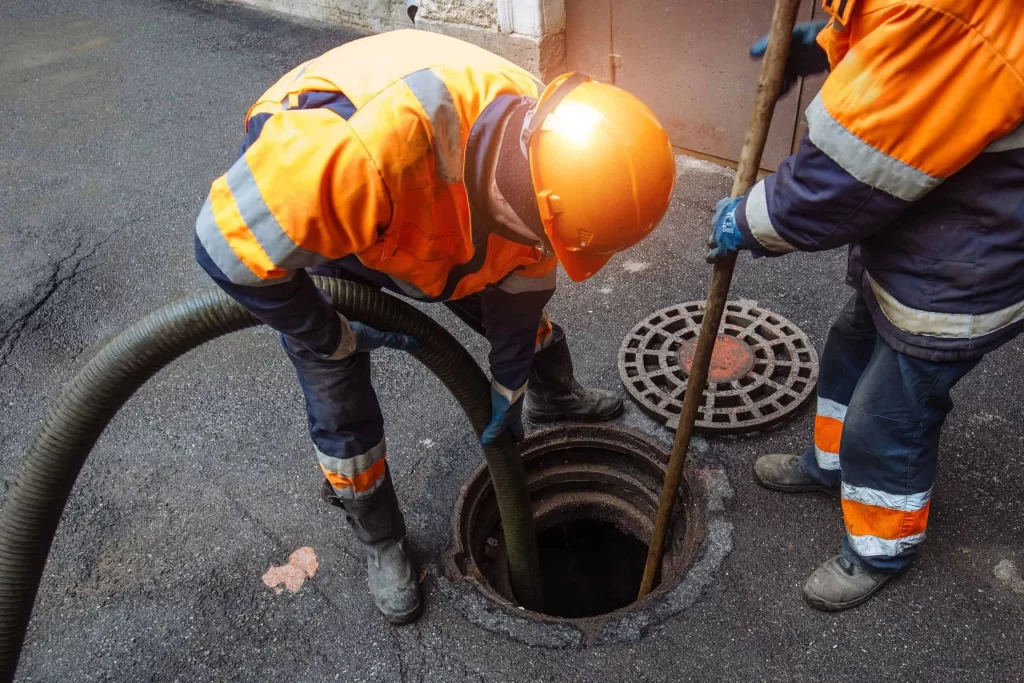
Hydro jetting isn’t complicated, but it is powerful. A specialized nozzle attached to a high-pressure hose gets inserted into your sewer line through a cleanout or access point. Water pressure ranging from 1,500 to 4,000 PSI shoots through the nozzle in multiple directions—forward jets bore through blockages while rear jets scour the pipe walls and propel the hose forward.
That pressure is strong enough to cut through tree roots, dissolve years of grease buildup, and remove scale that’s been accumulating since your home was built. In cases where pipe damage is more severe, solutions like trenchless water line replacement may be recommended. The debris gets flushed into the main sewer line and out of your system completely. Before any high-pressure water jetting happens, a camera inspection usually goes in first to check your pipe’s condition and locate the problem. You don’t want to blast 4,000 PSI through a pipe that’s already cracked.
The whole process typically takes a few hours depending on the severity of the blockage and the length of your sewer line. When it’s done, your pipes are clean—not just open, but actually clean.
What Makes Hydro Jetting Different from Snake Cleaning
A drain snake—also called an auger—is a long metal cable with a corkscrew end that spins through your pipes. It’s effective for simple clogs like hair in a bathroom drain or a toy stuck in a toilet. The snake breaks up the blockage or hooks onto it so it can be pulled out. Problem solved, right?
Not quite. Snaking creates a hole through the clog, but it doesn’t remove the buildup coating your pipe walls. Grease, soap scum, mineral deposits, and small root intrusions stay exactly where they are. Within weeks or months, that remaining buildup catches more debris and you’re back to square one. It’s like mowing over weeds instead of pulling them out by the roots.
Hydro jetting removes everything. The high-pressure water scours the entire interior diameter of the pipe, stripping away buildup that’s been accumulating for years. That’s why homes that switch from regular snaking to hydro jetting often go from needing drain cleaning services every few months to going a year or more without issues. The pipe is actually clean, not just temporarily open.
For Nassau County homes with older clay or cast iron pipes, this matters even more. Those materials develop rough interior surfaces over time that catch debris easily. Snaking does nothing to address that roughness, but hydro jetting smooths things out and gives you a fresh start. If your drain problems keep coming back despite repeated snaking, the method itself is the issue.
When Hydro Jetting is the Right Choice
Hydro jetting isn’t always necessary. If you’ve got a one-time clog from something obvious—a kid flushed a toy, you accidentally dropped something down the drain—snaking might be all you need. But there are specific situations where hydro jetting is the only method that makes sense.
Recurring clogs top the list. If you’re calling for drain service every few months, you’re treating symptoms instead of solving the problem. Hydro jetting addresses the root cause by removing the buildup that keeps catching new debris. Tree root intrusion is another big one. Roots seek out moisture and nutrients in your sewer line, and once they find a crack or joint, they grow into a tangled mass that traps everything flowing past. A snake can break through roots temporarily, but they grow back fast. Hydro jetting cuts them out completely and clears the debris they’ve trapped.
Grease buildup is especially common in kitchen lines. Even if you’re careful about what goes down your drain, cooking oils and fats stick to pipe walls over time. They cool, harden, and narrow your pipe’s diameter. Snaking might poke through, but the grease layer stays put. Hydro jetting strips it all away. The same goes for mineral deposits in areas with hard water and scale buildup that accumulates over decades.
If you’ve got an older home in Nassau County, NY—especially one built before 1980 with clay pipes—hydro jetting becomes even more valuable. Those pipes are approaching or past their expected lifespan and often have rough interiors that catch debris easily. A thorough sewer line cleaning can extend their useful life and prevent emergency backups. Just make sure a camera inspection happens first to confirm the pipes can handle the pressure. That’s standard practice for experienced providers who’ve been working with Long Island’s aging infrastructure for decades.
Hydrojet Drain Cleaning Applications
Hydro jetting handles problems that other methods can’t touch. It’s not just about clearing a clog—it’s about restoring your entire drainage system to proper function. Understanding what hydro jetting can address helps you know when it’s worth the investment versus a basic drain cleaning service.
Commercial kitchens deal with grease on a whole different level than residential homes. Restaurants, cafeterias, and food service businesses send massive amounts of fats, oils, and grease down their drains daily. Even with grease traps in place, buildup happens. Hydro jetting is often the only method that can handle that volume and restore full flow. The same principle applies to residential homes with heavy kitchen use or older pipes that have accumulated years of cooking residue.
Multiple fixtures draining slowly at once signals a main line issue, not individual drain problems. When your toilet gurgles when you run the washing machine, or your shower backs up when you flush, you’ve got a blockage deep in your sewer line. That’s hydro jetting territory.
Hydro Jetting for Tree Root Removal
Tree roots are one of the most common and frustrating sewer line problems in Nassau County, NY. Mature trees—maples, oaks, willows—have aggressive root systems that can travel surprising distances searching for water. Your sewer line, with its constant moisture and nutrients, is basically a tree root magnet.
Roots enter through tiny cracks, loose joints, or small gaps in your pipe. Once inside, they don’t just pass through—they set up permanent residence and start growing. What begins as a hairline crack becomes a major blockage as roots expand, trap toilet paper and debris, and eventually cause complete backups. The first signs are usually gurgling toilets, slow drains after doing laundry, or wet spots in your yard where sewage is leaking out.
Traditional snaking can break through root masses and restore temporary flow, but it’s like trimming a tree branch—the roots grow back, often faster than before. Hydro jetting cuts roots out at the pipe wall and flushes them completely out of your system. The high-pressure water (typically 3,000-4,000 PSI for roots) is strong enough to slice through even thick root intrusions.
The real value comes from the thorough cleaning. Once the roots are gone, hydro jetting removes all the debris they’ve been trapping—grease, tissue paper, sand, whatever’s been building up. Your pipe goes from partially blocked to fully open. For many Nassau County homeowners, especially those with properties built in the 1970s or earlier on clay pipes, hydro jetting is the difference between annual root problems and going years without issues. Just remember that if roots found a way in once, they’ll find it again unless you address the crack or joint that let them in. That’s where our trenchless pipe lining comes in, but that’s a conversation for after the jetting is done.
Addressing Severe Grease and Debris Buildup
Grease is deceptive. It goes down your drain as a liquid, but the moment it hits cooler pipes, it starts to solidify. Layer by layer, year after year, it coats your pipe’s interior until you’re left with a narrow channel instead of a full-diameter pipe. Throw in soap scum, food particles, mineral deposits, and whatever else goes down your kitchen sink, and you’ve got a recipe for chronic slow drains.
Chemical drain cleaners promise to dissolve grease, but they’re harsh on your pipes and rarely work on established buildup. They might clear a surface layer, but the bulk of the grease stays put. Snaking can poke through, but again, it doesn’t remove the coating on your pipe walls. You get temporary flow, then the problem returns as new grease sticks to the old layer.
Hydro jetting attacks grease at its source. The high-pressure water is hot enough and strong enough to break down even thick grease deposits and flush them completely out of your system. It’s not just melting the grease—it’s physically stripping it off the pipe walls. The same process works for soap scum in bathroom lines, mineral scale in areas with hard water, and sand infiltration that’s common in Long Island’s coastal environment.
What you end up with is a pipe that looks and functions like new. Water flows freely, drains empty quickly, and you’re not dealing with that slow gurgle every time you run the dishwasher. For homes that do a lot of cooking or have older plumbing systems, hydrojet drain cleaning every 18-24 months can prevent the kind of severe buildup that leads to emergency backups. It’s maintenance that actually maintains something instead of just delaying the inevitable. The upfront cost typically runs $300-$800 for residential work, which is higher than snaking, but when you factor in fewer service calls and no emergency cleanups, it pays for itself.
Choosing the Right Drain Cleaning Method for Your Home
Snaking has its place for simple, one-time clogs. But if you’re dealing with recurring problems, tree roots, grease buildup, or an older home with pipes that have seen decades of use, hydro jetting is the method that delivers results you can actually count on. It’s not just about clearing the blockage—it’s about cleaning the entire system so the problem doesn’t come back in a few weeks.
The difference comes down to this: snaking treats the symptom, hydro jetting addresses the cause. For Nassau County, NY homeowners tired of calling for drain cleaning services every few months, that distinction matters. You’re not just paying for a temporary fix—you’re investing in a solution that can last years instead of weeks.
If you’re ready to stop dealing with the same drainage issues over and over, we can help. With nearly 40 years of experience serving Nassau and Suffolk counties and advanced trenchless technologies, we provide hydro jetting services that actually solve the problem instead of just postponing it.