
Summary:
What Is Pipe Bursting and When Should You Use It
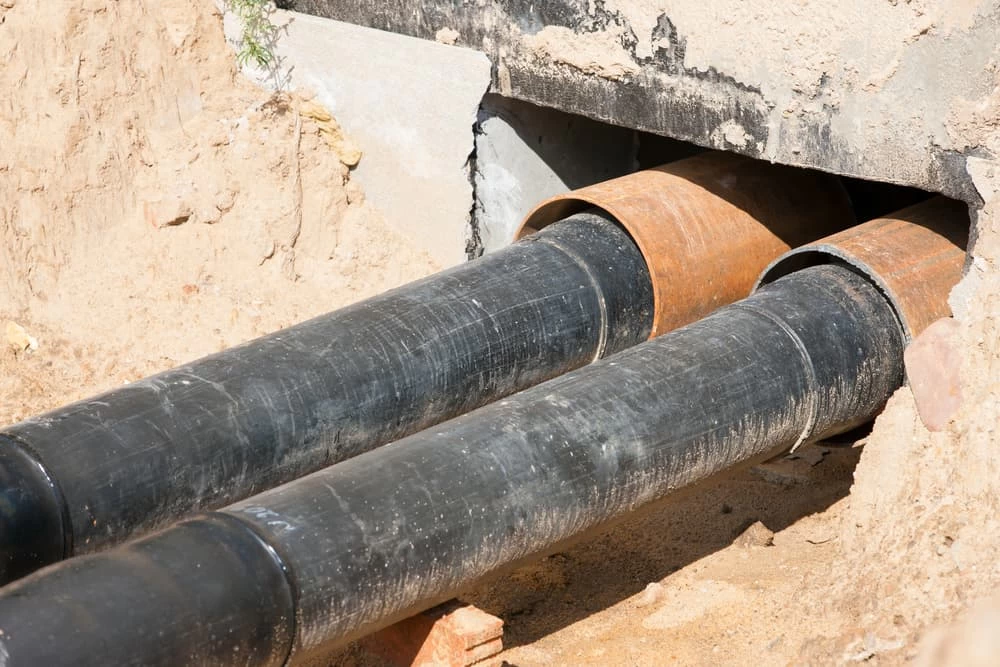
Pipe bursting is the heavy-duty option when your pipes are beyond saving. Think of it as controlled demolition from the inside. The process involves inserting a steel bursting head into your pipeline, running a chain to an exit point, then using hydraulic force to fracture the old pipe while simultaneously pulling a new pipe into place. Learn more about this method through pipe bursting services.
You get a brand-new sewer line without the mess of traditional excavation. For severely damaged, displaced, or crushed pipelines, pipe bursting delivers a complete replacement rather than masking existing problems. It’s particularly effective for Long Island’s varied soil conditions and works with multiple pipe materials including clay, concrete, cast iron, and PVC.
How Pipe Bursting Works in Nassau and Suffolk Counties
The pipe bursting process starts with creating two small access points—typically at your house and near the street connection. A constant-tension winch guides the bursting tool through your existing underground pipe. As the tool moves forward, it fractures your old pipe into fragments while the rear expander displaces those pieces into the surrounding soil.
Behind the bursting head, a new polyethylene pipe gets pulled into the exact same path. The beauty of this system is precision—you’re not guessing where the new pipe goes because it follows the exact route of the old one. The entire process typically takes one to three days depending on your property’s pipe layout and length.
What sets pipe bursting apart is the end result. You don’t lose any internal diameter, which matters more than you might think. When your old 4-inch pipe stays a 4-inch pipe instead of becoming a 3.5-inch lined pipe, you avoid future flow restrictions. This is especially important for Long Island, NY homes with longer sewer runs or properties that have experienced repeated backups.
The new pipe material is built to last. High-density polyethylene pipes resist root intrusion, chemical damage, and ground movement. With proper installation, you’re looking at 75 to 100 years of service life—essentially a once-in-a-lifetime replacement for most homeowners.
When Pipe Bursting Makes Sense for Your Property
Pipe bursting works best when your existing pipes are structurally compromised beyond repair. If you’re dealing with collapsed sections, severe root intrusion, or pipes with multiple breaks, this method gives you a complete fresh start. It’s particularly valuable for older Long Island, NY homes built before 1980 that still have original cast iron or clay pipes.
The method shines when you need to upsize your pipe diameter or when your current pipes have significant bellying or misalignment. Unlike CIPP pipe lining, which works within your existing pipe’s constraints, bursting lets you install a properly sized replacement that meets current plumbing codes.
Consider pipe bursting if you’ve already attempted repairs that failed. Many Nassau and Suffolk County homeowners find themselves “chasing pipe”—fixing one section only to have another fail months later. Pipe bursting eliminates this cycle by replacing the entire problematic section at once.
However, pipe bursting isn’t suitable for every situation. The method requires specific soil conditions and won’t work with certain pipe materials like HDPE or reinforced concrete. Rocky or sandy soils can complicate the process, and shallow installations risk surface damage. We evaluate your specific conditions before recommending this approach.
Cost-wise, pipe bursting typically requires a higher upfront investment than pipe lining, but it often proves more economical long-term. You’re paying for a complete replacement that eliminates future problems rather than a repair that extends your existing system’s life.
Understanding Pipe Lining and Its Applications
Pipe lining takes a different approach—instead of replacing your pipes, it creates a new pipe inside the old one. The process involves inserting a resin-saturated liner into your existing pipe, then curing it in place using heat, steam, or UV light technology. The result is essentially a pipe within a pipe that seals cracks and restores structural integrity.
This trenchless method works particularly well when your existing pipes still have decent structural integrity but suffer from leaks, minor cracks, or root intrusion. The cured liner creates a smooth, seamless interior surface that can last 50+ years with proper installation.
The CIPP Lining Process for Long Island Properties
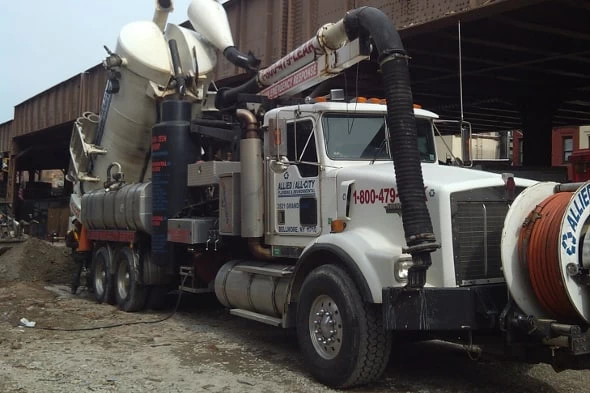
Cured-in-place pipe (CIPP) lining starts with a thorough cleaning of your existing pipe system. High-pressure water jetting removes debris, scale, and minor root intrusions to ensure proper liner adhesion. A camera inspection confirms the pipe is ready for lining.
The actual lining process involves inserting a flexible, resin-coated tube into your pipe through an existing access point like a cleanout or manhole. The liner gets positioned using air pressure or water inversion, pressing it firmly against your pipe’s interior walls. Once positioned, the curing process begins.
Depending on the specific system used, curing might involve hot water circulation, steam, or UV light. This process typically takes several hours and transforms the flexible liner into a rigid, structural pipe. The resin hardens into a smooth, chemical-resistant surface that’s actually stronger than many original pipe materials.
What makes CIPP particularly attractive for Long Island, NY homeowners is the minimal disruption. Most installations require only one or two small access points rather than extensive excavation. Your landscaping, driveways, and sidewalks remain intact. The process often completes in a single day for residential applications.
The finished product restores your pipe’s flow capacity while sealing existing problems. However, you do lose some internal diameter—typically about 1/4 to 1/2 inch depending on the liner thickness. For most residential applications, this reduction doesn’t significantly impact performance, but it’s worth considering for properties with marginal flow capacity.
Cost Considerations and Long-Term Value of Pipe Lining
Pipe lining typically costs less upfront than pipe bursting, with Nassau County projects ranging from $6,000 to $12,000 for typical residential installations. The exact cost depends on factors like pipe length, diameter, access difficulty, and the extent of preparation work needed.
The economics become more favorable when you factor in avoided costs. Traditional excavation methods require restoration work—new landscaping, driveway repair, sidewalk replacement—that can add thousands to your total project cost. Trenchless pipe lining eliminates most of these expenses since it works from existing access points.
Long-term value depends on your existing pipe condition. If your pipes have good structural integrity with localized problems, lining can provide decades of reliable service at a fraction of replacement cost. The 50-year service life typical of quality CIPP installations makes it a solid investment for many homeowners.
However, pipe lining isn’t a universal solution. Severely damaged pipes, completely collapsed sections, or pipes with significant misalignment may not be good candidates. The existing pipe needs enough structural integrity to support the lining process and provide a stable foundation for the new liner.
Consider your property’s specific needs when evaluating cost. A 30-year-old cast iron system with minor corrosion might be perfect for lining, while a 60-year-old system with multiple failures probably needs complete replacement through pipe bursting. The key is honest assessment of your current system’s condition and realistic expectations about how long different solutions will last.
Making the Right Choice for Your Long Island Property
The choice between pipe bursting and pipe lining comes down to your specific situation: pipe condition, budget, and long-term goals. Pipe bursting gives you a completely new system when your old pipes are beyond help, while pipe lining extends the life of structurally sound pipes with localized issues.
Consider pipe bursting for severely damaged systems, when you need larger diameter pipes, or when you want a once-in-a-lifetime solution. Choose pipe lining for pipes with good bones that need sealing and reinforcement. Both methods avoid the disruption and expense of traditional excavation while providing long-lasting results.
For expert guidance on which method suits your Nassau or Suffolk County property, we bring nearly four decades of trenchless technology experience to every project.
Need this done on Long Island? Long Island Sewer and Water Main handles pipe bursting across Nassau and Suffolk County. Call 631-407-2873 in Suffolk or 516-604-2651 in Nassau.