

Summary:
Immediate Water Shutoff Steps for Commercial Properties
Your first priority is stopping the flow of water or sewage. Every second counts when contaminated water is spreading through your building. For expert help during critical situations, explore commercial sewer and water line services on Long Island.
For water line emergencies, locate your main water shutoff valve immediately. Most commercial properties in Nassau and Suffolk Counties have these positioned near the street connection or building entrance. Turn it clockwise until completely closed.
If you’re dealing with a sewer backup, don’t assume shutting off water will stop the flow. Sewer emergencies often originate from blocked municipal lines or overwhelmed systems during heavy rains, meaning contaminated water can continue rising through floor drains and fixtures even after your water is off.
Locating Emergency Shutoffs in Long Island Commercial Buildings
Long Island commercial properties built in different eras have shutoff valves in varying locations. Properties constructed before 1980 often have shutoffs in basements or utility rooms. Newer buildings typically place them in mechanical rooms or near the main electrical panel.
For multi-story buildings common in areas like Garden City or Huntington, you may have zone shutoffs on each floor plus a master shutoff. Know where both are located before an emergency strikes. Create a simple map for your maintenance team and post it in visible locations.
Water meter locations vary by municipality. Nassau County Water Authority typically installs meters near the property line, often in concrete boxes or meter pits. Suffolk County Water Authority may place them closer to buildings depending on local regulations. The shutoff valve is usually within a few feet of the meter.
If you manage older commercial properties in areas like Levittown or Babylon, be aware that shutoff valves can become corroded or difficult to turn. Test them annually and keep a water meter key or adjustable wrench accessible. A valve that won’t budge during an emergency can turn a manageable situation into a disaster.
Document shutoff locations with photos and GPS coordinates. Share this information with your emergency plumber and key maintenance personnel. When water is gushing at 2 AM, you don’t want to waste precious minutes searching for valves.
What Not to Do During Water and Sewer Emergencies
Panic leads to costly mistakes. Never attempt to stop a major leak by covering it with tape or temporary patches. This wastes valuable time and often makes the situation worse by increasing pressure elsewhere in the system.
Don’t use electrical equipment in areas with standing water. This includes wet vacuums, fans, or any appliances. The risk of electrocution is real, especially in commercial buildings with 220V systems. If water is near electrical panels or outlets, shut off power to affected areas at the circuit breaker before doing anything else.
Avoid walking through contaminated water unless absolutely necessary. Sewer backups contain dangerous bacteria, viruses, and parasites that can cause serious illness. If you must enter contaminated areas, wear waterproof boots and gloves. Change clothes immediately afterward and wash thoroughly.
Never pour chemical drain cleaners into backed-up sewer lines. These products can react with existing blockages or municipal treatment chemicals, creating toxic gases. They’re also ineffective against the tree roots, grease buildup, and structural problems that cause most commercial sewer emergencies in Nassau and Suffolk Counties.
Don’t delay calling professional help while attempting DIY fixes. Commercial plumbing systems are complex, and what appears to be a simple problem often has underlying causes that require specialized equipment to diagnose and repair properly.
Damage Control and Safety Measures
Once you’ve stopped the immediate flow, focus on protecting people and property. Evacuate affected areas immediately if you’re dealing with sewage backup. Raw sewage contains pathogens that can cause hepatitis, dysentery, and other serious illnesses.
Move valuable equipment, inventory, and documents to higher ground or unaffected areas. Water damage spreads quickly through flooring, walls, and HVAC systems. What starts as a localized problem can affect entire floors within hours.
Establish a safe perimeter around the affected area. Use cones, tape, or barriers to keep tenants and visitors away from contaminated zones until professional cleanup crews arrive.
Protecting Your Property While Waiting for Emergency Service
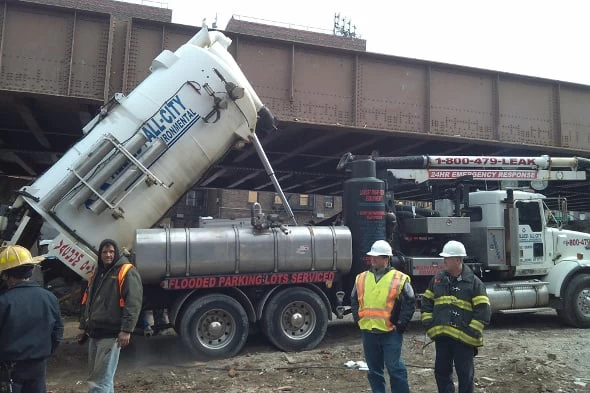
Time is your enemy when dealing with water damage. Even clean water can cause mold growth within 24-48 hours in Long Island’s humid climate. Sewage contamination accelerates this timeline significantly.
Remove standing water only if you can do so safely with appropriate protective equipment. Focus on areas where water might cause electrical hazards or spread to uncontaminated spaces. Use pumps or wet vacuums designed for contaminated water if available.
Open windows and doors to increase ventilation, but only if weather permits. Long Island’s coastal humidity can worsen moisture problems, so use judgment based on current conditions. If you have commercial dehumidifiers or fans, position them to move air away from contaminated areas.
Document everything with photos and video before cleanup begins. Insurance claims require detailed evidence of damage extent. Take pictures from multiple angles showing water levels, affected materials, and any visible contamination. This documentation will be crucial for insurance adjusters and restoration professionals.
Contact your insurance company immediately, even if it’s after hours. Many commercial policies have strict notification requirements for water damage claims. Delays in reporting can result in denied coverage or reduced payouts.
Create a log of all emergency actions taken, including times, personnel involved, and decisions made. This record helps emergency responders understand what’s already been done and guides their response strategy.
Health and Safety Protocols for Commercial Sewer Emergencies
Sewer emergencies pose serious health risks that many property managers underestimate. Contaminated water carries bacteria like E. coli and Salmonella, viruses including Hepatitis A, and parasites that can cause long-term health problems.
Immediately restrict access to affected areas. Post clear warning signs and physically block entrances if necessary. Notify all tenants about the situation and provide alternative facilities if restrooms or common areas are impacted.
Anyone who comes into contact with contaminated water should wash immediately with soap and hot water. Provide hand sanitizer stations near affected areas and ensure everyone knows proper decontamination procedures. If someone suffers a cut or open wound while dealing with the emergency, they should seek medical attention promptly.
Consider the impact on vulnerable populations in your building. Elderly tenants, young children, and people with compromised immune systems face higher risks from sewage exposure. They may need temporary relocation until professional decontamination is complete.
Ventilation becomes critical during sewer backups. Hydrogen sulfide and methane gases can accumulate in enclosed spaces, creating both health hazards and explosion risks. If you detect strong sewer odors, ensure adequate air circulation and consider evacuating until professionals arrive with proper monitoring equipment.
Keep detailed records of everyone who may have been exposed to contaminated areas. This information helps health officials track potential illness outbreaks and assists with workers’ compensation claims if employees become sick.
Getting Professional Help for Long Island Commercial Emergencies
The steps you take in the first hour of a commercial sewer or water emergency can save thousands in damage costs and protect your tenants’ health. Quick shutoff procedures, proper safety protocols, and immediate damage control make the difference between a manageable repair and a catastrophic cleanup.
Remember that commercial plumbing emergencies in Nassau and Suffolk Counties often have underlying causes that require professional diagnosis. Tree roots, aging infrastructure, and municipal system overloads are common culprits that need specialized equipment and expertise to resolve permanently.
When you’re facing a commercial plumbing emergency on Long Island, we have the experience and equipment to handle any situation. We understand the unique challenges of Long Island’s commercial properties and respond quickly to minimize your downtime and costs.
Need this done on Long Island? Long Island Sewer and Water Main handles sewer services across Nassau and Suffolk County. Call 631-407-2873 in Suffolk or 516-604-2651 in Nassau.