
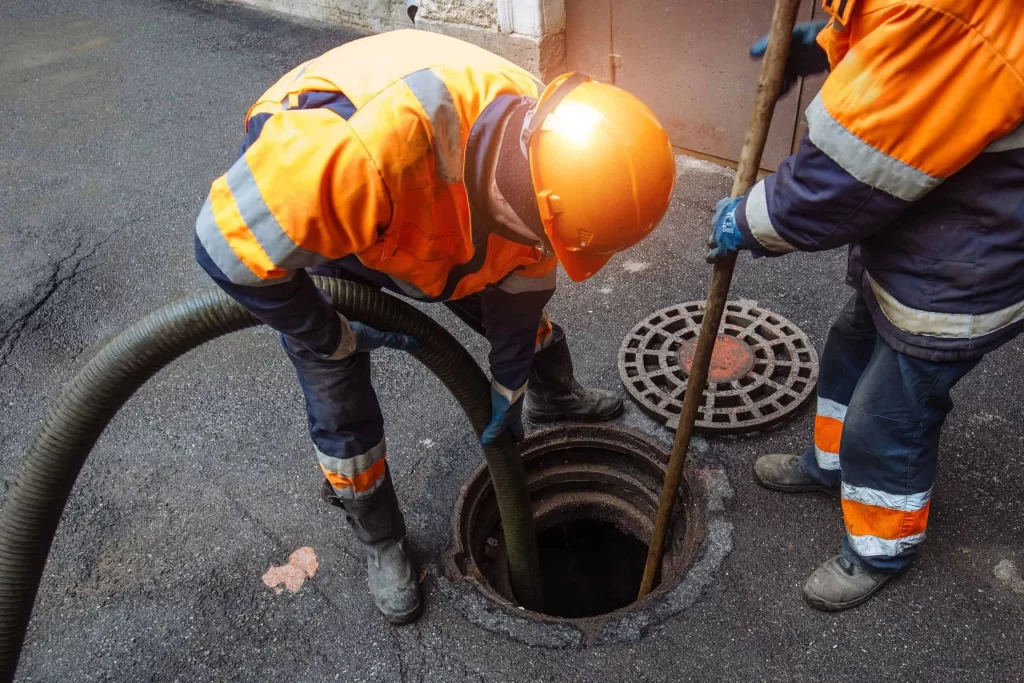
Summary:
You check the forecast. Another hurricane watch for Long Island. Your mind goes to sandbags, generators, maybe boarding windows. But what about what’s beneath your property—the sewer lines that could turn your basement into a contaminated disaster zone?
Hurricane sewer backup prevention doesn’t get the attention it deserves until you’re standing in sewage-filled water at 2 AM, watching everything you own get ruined. Long Island’s coastal location and aging infrastructure make sewer backups during storms a real threat, not a remote possibility. The good news? You can take specific steps now to protect your property before the next storm hits. Here’s what actually works for Nassau and Suffolk County homes.
Understanding Hurricane Sewer Backup Risks on Long Island
Long Island sits in a vulnerable position when hurricanes move up the Atlantic coast. Over 300,000 Nassau County residents live in designated flood zones, and that number doesn’t account for areas that flood during severe storms but fall outside official designations.
When Hurricane Sandy hit in 2012, it wasn’t just the wind and storm surge that devastated properties. The Bay Park Sewage Treatment Plant in East Rockaway released over 2 billion gallons of sewage overflow. Across the region, 11 billion gallons of untreated and partially treated sewage flooded into waterways, streets, and homes. That’s the reality of what happens when storm systems overwhelm aging sewer infrastructure.
Your sewer system works fine under normal conditions. But during hurricanes, three things happen simultaneously: municipal sewer systems get overloaded with stormwater, storm surge pushes water backward through the system, and your property’s drainage capacity gets exceeded. The result is sewage backing up through your lowest drains—usually in the basement.
Why Long Island's Sewer Infrastructure Is Vulnerable to Storms
Most of Long Island’s coastal sewer infrastructure was built decades ago, before sea levels began rising and before climate patterns shifted toward more intense rainfall events. These systems were designed with assumptions that no longer hold true.
Many areas still use combined sewer systems that handle both stormwater and sewage in the same pipes. During heavy rain, these systems simply can’t handle the volume. When capacity gets exceeded, the sewage has to go somewhere—and that somewhere is often back into your home through floor drains, toilets, and sinks.
The problem compounds in coastal areas where storm surge meets overwhelmed sewer systems. Even if your property sits above typical flood levels, you’re not safe from sewer backups. The municipal system connects everyone, and when it fails, the sewage flows to the lowest available point. If that’s your basement, you’re dealing with contaminated water regardless of whether you’re in a flood zone.
Tree root infiltration makes things worse. Older sewer laterals—the pipes connecting your property to the main sewer line—develop cracks over time. Tree roots seek moisture and grow into these cracks, creating blockages that restrict flow even under normal conditions. Add hurricane-level rainfall, and those partial blockages become complete failures.
The financial impact hits hard. Typical sewer backup insurance claims average in the mid-30,000s, and that’s just for cleanup and immediate repairs. It doesn’t account for belongings destroyed, health impacts from sewage exposure, or the time your property sits uninhabitable. Standard homeowners insurance doesn’t cover sewer backups—you need a specific endorsement, and even then, prevention is far cheaper than dealing with the aftermath.
Long Island saw this firsthand after Sandy. About 100,000 homes on Long Island were destroyed or severely damaged. Many families were still displaced a year later because the damage was so extensive. The communities that recovered fastest were those that had invested in prevention measures before the storm hit.
How Hurricane Storm Surge Affects Your Sewer System
Storm surge doesn’t just flood streets and properties from above. It infiltrates sewer systems from below, creating backpressure that forces sewage backward through the entire network.
When Hurricane Sandy hit Long Beach, storm surge reached heights of five and six feet, pushing massive volumes of seawater into the sewer system. That water had to displace something—and what it displaced was sewage, forcing it back through residential connections and into homes. The surge hit during high tide under a full moon, making the flooding even worse.
Your sewer lateral connects to the municipal main line, which connects to treatment plants typically located at low elevations near the water. During storm surge, these treatment plants get inundated first. When they lose power or get overwhelmed, the entire system backs up. Even properties miles inland experience backups because the whole network is connected.
The physics are simple but brutal. Water seeks the path of least resistance. When storm surge fills the main sewer lines, pressure builds throughout the system. Your home’s plumbing becomes a release valve. Toilets, floor drains, washing machine connections—anywhere sewage can exit becomes an entry point for backflow.
This happened across Nassau and Suffolk Counties during Sandy. Floodwaters entered the homes of more than 443,000 people in the broader New York City area, with Long Island taking a significant portion of that impact. Many of those homes flooded not just from rainwater or storm surge coming through doors and windows, but from sewage backing up through their plumbing.
The contamination risk is serious. Sewage contains bacteria, viruses, and pathogens that create health hazards. When it floods your living space, everything it touches becomes contaminated. Carpets, drywall, furniture—it all has to be removed and disposed of properly. The cleanup requires professional remediation, not just mopping up water.
Prevention becomes critical when you understand these mechanics. You can’t control storm surge or municipal system failures, but you can control whether that sewage enters your property. The right prevention measures create a barrier between the failing public system and your private property.
Storm Drain Preparation and Maintenance
Storm drains are your property’s first line of defense against flooding. When they work properly, they channel water away from your foundation and reduce the load on the sewer system. When they fail, water accumulates, increasing pressure on your sewer connections and creating conditions for backups.
Most Long Island properties have storm drains that haven’t been professionally inspected or cleaned in years. Leaves, dirt, debris, and sediment accumulate over time, reducing capacity exactly when you need it most. A storm drain operating at 50% capacity during a hurricane is essentially useless.
Pre-season preparation makes the difference between a system that handles the storm and one that fails. Before hurricane season starts, your storm drains should be inspected, cleared of debris, and tested to ensure proper flow. This isn’t a DIY job if you want it done right—professional equipment can clear blockages and verify that water flows where it’s supposed to go.
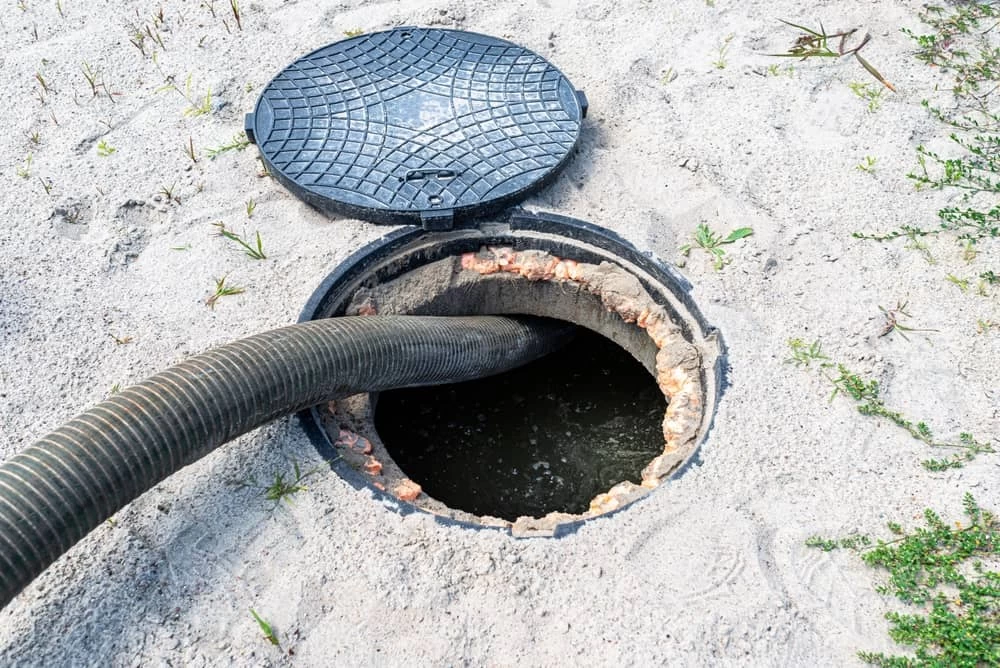
Pre-Hurricane Storm Drain Inspection and Clearing
Timing matters with storm drain maintenance. Waiting until a hurricane watch is issued means you’re too late. The work needs to happen during the calm periods before storm season ramps up.
Professional inspection starts with a visual assessment of all visible drain grates, catch basins, and surface features. But the real work happens below ground. Camera inspection can reveal blockages, damage, or structural issues that aren’t visible from the surface. Tree roots, collapsed sections, or sediment buildup show up clearly on camera, giving you a complete picture of your system’s condition.
Clearing involves more than just removing visible debris. High-pressure water jetting clears accumulated sediment and organic material from the entire length of your storm drain pipes. This restores full flow capacity and removes blockages that would cause problems during heavy rainfall.
Pay special attention to areas where storm drains connect to the municipal system. These connection points are common failure locations during severe storms. If your property’s storm drain can’t discharge into the municipal system because that system is overwhelmed, water backs up on your property. Understanding these connection points helps you identify vulnerable areas.
For properties with sump pumps, pre-storm inspection is critical. Your sump pump needs to be functional, and it needs a battery backup. During hurricanes, power outages are almost guaranteed. A sump pump that only works with grid power is useless when you need it most. Battery backup systems keep pumps running during outages, continuing to move water away from your foundation even when everything else has failed.
Test your sump pump before storm season. Pour water into the sump pit and verify that the pump activates and discharges properly. Check the discharge line to ensure it’s directing water away from your foundation, not just dumping it where it flows back. A sump pump that discharges too close to the foundation creates a cycle where it’s constantly pumping the same water.
Gutter and downspout connections matter too. If your downspouts connect to your storm drain system, they need to be clear. Clogged gutters overflow during heavy rain, dumping water directly against your foundation instead of channeling it into the drainage system. That water seeks entry points and adds to the load on your sewer connections.
Emergency Sewer Preparation Steps Before a Hurricane
When a hurricane watch gets issued for Long Island, you have a narrow window to take emergency preparation steps. Some measures work best when implemented well before storm season, but others can be done in the days or hours before a storm hits.
Start with your basement or lowest level. Identify every drain connection—floor drains, utility sinks, washing machine connections, bathroom fixtures. These are your potential entry points for sewer backups. If you don’t have a backwater valve installed on your main sewer line, you can temporarily plug individual drains to prevent backflow.
Drain plugs are available at hardware stores and come in various sizes. Measure your floor drain diameter before the storm so you know what size you need. Installing a plug is straightforward—it fits into the drain opening and creates a seal that prevents backflow. The downside is that you can’t use those drains while they’re plugged, and if water accumulates in your basement from other sources, it can’t drain through the plugged openings.
Move valuable items to higher levels. Anything stored in your basement should be elevated off the floor or moved upstairs entirely. This includes important documents, electronics, family heirlooms, and anything that can’t be easily replaced. Even if you’ve taken prevention measures, there’s always some risk during severe storms.
Know where your main water shutoff valve is located and how to operate it. In some extreme flooding scenarios, shutting off your main water supply can reduce pressure in your plumbing system and minimize the volume of potential backflow. This is a last-resort measure, but knowing how to do it before you need to is important.
If you have a generator, make sure it’s fueled and ready. Sump pumps, if you have them, need power to operate. A generator keeps critical systems running during power outages. Never run generators indoors or in enclosed spaces—carbon monoxide poisoning kills people during every major storm. Set up your generator outside, away from windows and doors, with proper ventilation.
Clear outdoor areas of anything that could become debris. Patio furniture, trash cans, yard decorations—anything not secured can become a projectile during high winds or can block storm drains if it gets swept into the drainage system. The less debris in your yard, the less likely something will clog your drainage system during the storm.
Check your insurance coverage before the storm. If you don’t have sewer backup coverage, it’s too late to add it once a storm is approaching—most insurers have waiting periods. But knowing what you’re covered for helps you make informed decisions about what measures to take and what documentation you’ll need if damage occurs.
During the storm, minimize water use. Don’t run dishwashers, washing machines, or take long showers. Every gallon of water you send into the sewer system during peak storm conditions adds to the load on an already overwhelmed network. Reducing your contribution helps, even if it’s a small impact.
After the storm passes, don’t assume everything is fine. Schedule a professional inspection of your sewer lateral and storm drains. Hidden damage from the storm can cause problems weeks or months later. Identifying and addressing that damage early prevents bigger failures down the road.
Sewer Backup Prevention Tips That Protect Your Property
Hurricane sewer backup prevention comes down to understanding your vulnerabilities and taking action before storms threaten. Long Island’s coastal location and aging infrastructure create real risks, but those risks can be managed with the right approach.
Backwater valve installation provides the most reliable protection against sewer backups during storms. Professional storm drain maintenance ensures your property can handle heavy rainfall. Emergency preparation steps give you options when a hurricane watch gets issued. Together, these measures dramatically reduce your risk of experiencing the kind of devastating sewer backup that displaces families and destroys property.
The investment in prevention is a fraction of the cost of dealing with a sewer backup. More importantly, it gives you peace of mind during storm season. You can focus on the immediate storm preparations without worrying about whether sewage is going to flood your basement.
We’ve spent nearly 40 years helping Nassau and Suffolk County property owners protect their homes and businesses from sewer system failures. Our expertise in trenchless technologies, backwater valve installation, and 24/7 emergency sewer services makes us a trusted resource for Long Island residents preparing for hurricane season.