

Summary:
You check the forecast and see temperatures dropping into the teens. Again. And somewhere in the back of your mind, you’re wondering about those pipes in the crawl space, the ones running along the garage wall, or that outdoor spigot you’re not entirely sure you winterized correctly. It’s not paranoia—it’s experience. Long Island winters hit hard, and frozen pipes aren’t just an inconvenience. They’re expensive, disruptive, and they always seem to happen at the worst possible time. The good news is that cold weather water pipe protection doesn’t have to be complicated, and knowing what actually works can save you thousands in repairs and weeks of headache. Let’s walk through what makes Long Island different, what puts your pipes at risk, and what you can do about it before the next cold snap arrives.
Why Long Island Pipes Face Higher Winter Risks
Long Island isn’t just cold in winter—it’s a specific kind of cold that creates problems most inland areas don’t deal with. You’ve got coastal winds that cut right through, sudden temperature swings that catch you off guard, and salt air that’s been quietly corroding metal surfaces all year. When temperatures drop, those factors combine in ways that put serious stress on your plumbing.
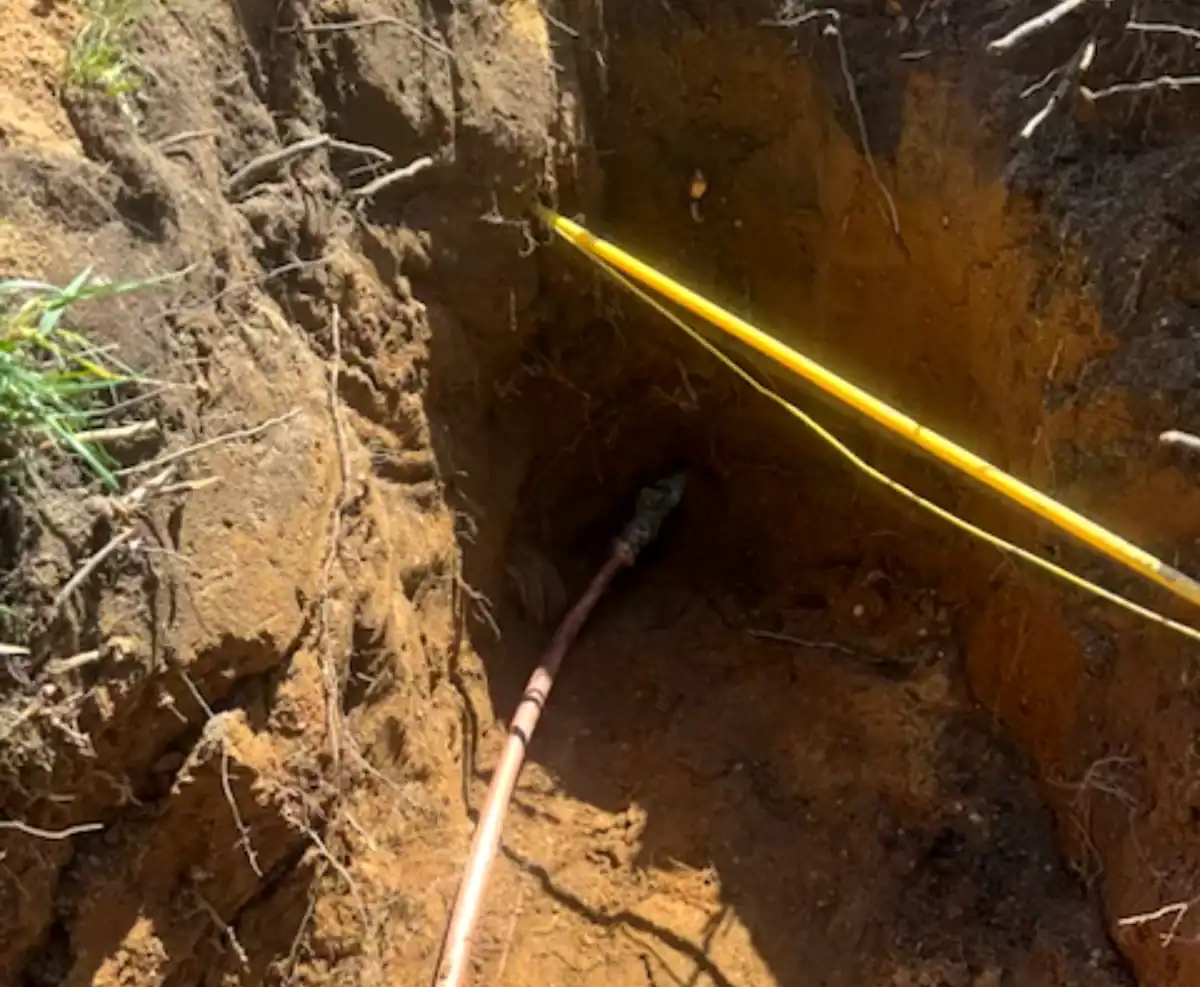
Nassau County sees frost lines that reach three feet deep or more. That means the ground freezes solid, and if you need emergency repairs during a January cold snap, traditional excavation becomes a nightmare. Contractors need specialized equipment just to break through, and costs can jump 200 to 300 percent compared to the same work in warmer months. Then there’s the coastal wind—it doesn’t just make it feel colder. Those gusts push frigid air into cracks, gaps, and openings around your home, dropping temperatures around exposed pipes faster than you’d expect.
Salt air adds another layer. It’s been working on your pipes all year, accelerating corrosion on metal surfaces and weakening points that might hold up fine twenty miles inland. When winter arrives and water starts freezing inside those already-compromised pipes, you’re looking at a higher risk of failure than homeowners in non-coastal areas face.
Which pipes freeze first in Nassau County homes
Not all pipes are created equal when it comes to freeze risk. Some are sitting ducks, and if you know where to look, you can focus your protection efforts where they’ll actually make a difference.
Pipes in your crawl space are near the top of the list. They’re sitting above cold ground with minimal heat reaching them, especially if your crawl space isn’t properly insulated or sealed. Attics are another trouble spot—most people don’t think about pipes in the attic until they’re dealing with water dripping through the ceiling. Garages are problematic because they’re rarely heated, and if you’ve got water lines running through there to supply an outdoor spigot or utility sink, they’re exposed to near-outdoor temperatures all winter.
Exterior walls are sneaky. You might have pipes running inside the wall cavity, but if that wall doesn’t have adequate insulation or if there are gaps letting cold air through, those pipes can freeze even though they’re technically “inside” your home. And then there are the obvious ones—outdoor hose bibs, irrigation lines, and any plumbing that’s directly exposed to the elements. These get hit first and hardest.
The common thread is lack of heat and exposure to cold air. Pipes need to stay above freezing, and if they’re in a space where temperatures regularly drop into the danger zone—below 20 degrees Fahrenheit for extended periods—you’re at risk. Identifying these vulnerable spots before winter hits gives you a chance to add insulation, seal gaps, or take other protective steps that actually prevent problems instead of just reacting to them after the damage is done.
How coastal winds and salt air increase freeze damage
Living near the water comes with perks, but winter plumbing protection isn’t one of them. Coastal winds do more than make the temperature feel colder—they actively push frigid air into spaces you wouldn’t expect. Strong gusts find their way through small openings around pipes where they enter your home, around vents, and through any crack in your foundation or exterior walls. That moving cold air drops the temperature around your pipes much faster than still air would.
Salt air has been doing its work all year, and by the time winter arrives, it’s already weakened your pipes. Chloride ions from ocean spray break down protective layers on copper and galvanized steel. Even if you’re a few miles inland, prevailing winds carry those salt particles, and they settle on exposed plumbing, pipe joints, and metal fittings. Over time, this creates pitting and corrosion that makes pipes more likely to fail under the pressure of freezing water.
When you combine coastal wind chill with pipes that are already compromised by salt corrosion, you’re looking at a higher failure rate than inland properties experience. A pipe that might survive a cold snap in central New York could burst in Nassau County under the same conditions because it’s been weakened by months of salt exposure. This is why Long Island homeowners often see plumbing issues earlier than the age of the pipes would suggest—the coastal environment accelerates wear in ways that aren’t immediately obvious until something goes wrong.
Understanding this combination helps explain why standard winterization advice doesn’t always cut it here. You’re not just protecting against cold—you’re protecting against cold plus wind plus corrosion. That requires a more thorough approach, and it’s why professional inspection and targeted solutions make a real difference in coastal areas.
Effective Cold Weather Pipe Protection Methods
Protection comes down to three things: keeping pipes warm, keeping water moving, and knowing when to call for help. The specifics matter, and what works in one part of your home might not work in another. The goal isn’t to make your pipes invincible—it’s to keep them above freezing when temperatures drop and to minimize damage if something does go wrong.
Insulation is your first line of defense. Foam pipe sleeves are inexpensive, easy to install, and they work. You’re looking for pipes in unheated spaces—crawl spaces, attics, garages, anywhere that doesn’t get regular heat. The insulation slows heat loss and buys you time when temperatures drop. For pipes that are especially vulnerable, heat tape adds active warmth. It plugs into an outlet and keeps the pipe above freezing even in extreme cold. Just make sure it’s installed correctly—improper installation creates fire hazards.
Sealing gaps is equally important. Cold air reaching your pipes defeats the purpose of insulation. Use caulk or expanding foam around spots where pipes enter through exterior walls, around vents, and anywhere you can feel a draft. Even small openings let in enough cold air to drop temperatures around your pipes, so don’t skip this step.
Dripping faucets and thermostat settings that actually work
You’ve probably heard that letting faucets drip prevents freezing, and it’s true—but only if you do it right. The drip keeps water moving, and moving water is harder to freeze than standing water. More importantly, an open faucet relieves pressure in the line. If water does freeze somewhere in the pipe, that open faucet gives the expanding ice somewhere to go instead of building up pressure until the pipe bursts.
You don’t need every faucet dripping. Focus on faucets connected to vulnerable pipes—those on exterior walls, in unheated spaces, or farthest from your water meter. A slow, steady drip works. You’re looking for individual drops falling rapidly, almost forming a thin stream. One drop every few seconds is too slow. A stream thicker than a pencil lead is wasteful. Find the middle ground.
When should you start? When overnight lows are forecast to hit 20 degrees Fahrenheit or below for several hours. That’s the threshold where pipe freezing becomes a real threat. Keep the drip going until temperatures are consistently back above freezing. And here’s something most people miss—open the cabinet doors under sinks on exterior walls. This lets warm air from your heated home circulate around those pipes instead of trapping cold air in the cabinet.
Thermostat management matters too. If you’re tempted to lower the heat at night to save on your bill, winter is not the time. Keep your thermostat set to the same temperature day and night—at least 55 degrees Fahrenheit, even when you’re away. The extra heating cost is nothing compared to the price of repairing burst pipes and water damage. Think of it as insurance. You’re paying a little more now to avoid paying a lot more later.
When to insulate pipes versus when to call for professional help
DIY insulation works great for accessible pipes in straightforward locations. If you can reach the pipe, measure it, and slide foam insulation over it, you’re good to go. Hardware stores carry everything you need, and the job doesn’t require special skills. Focus on pipes in your basement, garage, and any exposed sections you can easily access. This is preventative work you can knock out in an afternoon.
But some situations call for professional help, and trying to DIY your way through them creates more problems than it solves. Pipes inside walls or under concrete slabs aren’t accessible without cutting into your home. If you’ve got a history of freezing in a specific area, that suggests an underlying issue—poor insulation, inadequate heat, or compromised pipes that need more than a foam sleeve to fix. We can use thermal imaging to identify cold spots, inspect for corrosion damage, and recommend solutions that actually address the root cause.
If you’re dealing with older pipes—galvanized steel, early copper, or anything showing signs of corrosion—a professional inspection makes sense before winter hits. Salt air accelerates wear on these materials, and what looks fine on the outside might be compromised inside. Catching that early means you can plan repairs on your timeline instead of dealing with an emergency in the middle of a January cold snap.
And here’s where Long Island’s climate creates a specific advantage for professional solutions: trenchless technology. If you do need repairs during winter, trenchless methods work even when the ground is frozen. Traditional excavation requires breaking through frost-hardened soil, which is expensive and time-consuming. Trenchless repairs access pipes through small entry points, avoiding the need to dig up your frozen yard. For emergency situations—like a burst pipe during a cold snap—this means same-day service instead of waiting for a thaw or paying premium rates for frozen ground excavation.
Protecting Your Long Island Home This Winter
Cold weather water pipe protection on Long Island isn’t about following generic advice—it’s about understanding what makes this area different and taking steps that actually match the conditions you’re dealing with. Coastal winds, salt air, deep frost lines, and sudden temperature swings create challenges that require more than the standard winterization checklist. Focus on the pipes that are actually vulnerable, use insulation and heat where it makes sense, and don’t skip the simple stuff like sealing gaps and managing your thermostat.
When prevention isn’t enough—or when you’re dealing with pipes that are already compromised—professional help makes the difference between a quick fix and a drawn-out disaster. Trenchless technology gives Long Island homeowners options that weren’t available a generation ago, and it’s especially valuable during winter when traditional excavation becomes impractical and expensive.
If you’re concerned about pipes in hard-to-reach areas, if you’ve had freezing issues in the past, or if you just want peace of mind before the next cold snap, reach out to us at Long Island Sewer and Water Main. We’ve been handling these exact challenges for nearly 40 years, and we’re available 24/7 when emergencies don’t wait for business hours.
Need this done on Long Island? Long Island Sewer and Water Main handles water line repair across Nassau and Suffolk County. Call 631-407-2873 in Suffolk or 516-604-2651 in Nassau.