

Summary:
If you own property in Nassau County, you already know what heavy rain can do. The streets flood. The drains back up. And if you’re unlucky, your basement becomes a contaminated mess that costs thousands to clean up and months to recover from. Hurricane Sandy proved that to hundreds of thousands of Long Island homeowners the hard way. But here’s what most people don’t realize: a sewer backup valve could have prevented most of that damage. This isn’t about selling you something you don’t need. It’s about understanding a real risk and knowing what actually works to stop it. Let’s talk about how sewer backup valves protect your home when the sewer system can’t handle the load.
What Is a Sewer Backup Valve and How Does It Work
A sewer backup valve is a one-way gate installed on your main sewer line. Wastewater flows out of your home like normal, but when the municipal sewer system gets overwhelmed and tries to push sewage back toward your property, the valve automatically closes and blocks it.
Think of it as a check valve for your entire plumbing system. Under normal conditions, a small flap inside the valve stays open, allowing everything to drain properly. When pressure reverses and sewage starts flowing backward, floatation devices lift that flap up and seal the line completely. No electricity required. No manual operation. Just automatic protection when you need it most. If you’re installing or replacing a sewer line, sewer line installation can help ensure the system is properly designed and connected.
The valve doesn’t prevent your drains from working. It prevents the city’s sewer problems from becoming your basement problem. That’s the difference between a flooded home and one that stays dry during the same storm.
Why Nassau County Homes Need Flood Damage Prevention
Over 300,000 Nassau County residents live in flood zones. That’s not a small number, and it’s not just beachfront properties. The whole county sits on a high water table, which means basement flooding is always a risk even without a hurricane.
When Hurricane Sandy hit Long Island in 2012, the damage went far beyond wind and rain. Over 2 billion gallons of sewage overflowed from treatment plants across the region. Raw sewage backed up through floor drains and toilets into thousands of homes. The cleanup didn’t just involve water extraction. It required hazmat protocols, mold remediation, and in many cases, gutting entire basements down to the studs.
The average sewer backup causes between four and ten thousand dollars in damage. That’s assuming you catch it early and your insurance covers it, which many standard policies don’t. Compare that to the cost of installing a backwater valve, which typically runs between two and five thousand dollars for a retrofit. The math is simple. Prevention costs less than cleanup, and it definitely costs less than displacement, health issues, and lost belongings.
Long Island’s vulnerability isn’t going away. Climate patterns are shifting. Storms are getting stronger and more frequent. The infrastructure wasn’t built for the kind of rainfall events we’re seeing now. Your sewer lateral might be in perfect condition, but that doesn’t matter when the municipal system surcharges and sends everything backward through your connection. That’s where a sewer backup valve makes the difference between a stressful night and a disaster that takes months to recover from.
Nassau County officials recommend installing sewage valves as part of flood preparedness. Some municipalities even offer rebates or require them for properties in high-risk zones. It’s not about fear. It’s about facing reality and taking the one step that actually prevents the problem instead of just reacting to it after the damage is done.
How Automatic Backwater Valves Protect Your Home
Automatic backwater valves work without electricity, which matters during storms when power outages are common. The mechanism is purely mechanical. When sewage tries to flow backward into your home, air pressure in the valve’s chamber compresses, forcing a stainless steel gate to close completely. Once the backup subsides and pressure normalizes, the gate reopens automatically and your drains function normally again.
The valve closes when backwater reaches about nine inches above your house drain level. That’s enough to trigger protection before sewage reaches your basement fixtures. The stainless steel construction means it won’t corrode or wear out from normal use. Most valves include a clear access cover so you can visually inspect the mechanism without taking anything apart.
Installation typically happens at the lowest point of your sewer line, usually where it enters your home or just outside your foundation. A licensed plumber needs to handle this work because it involves cutting into your main sewer line, installing the valve assembly, and ensuring proper grade and access for future maintenance. The whole process takes one to two days for most residential properties, and it rarely disrupts normal household activities beyond limiting water use during the actual installation.
One important thing to understand: when the valve closes during a backup, you can’t use your plumbing until it reopens. That’s by design. The valve is protecting your home from the city’s sewer problem, but it means wastewater from your house has nowhere to go temporarily. Your plumbing system has some storage capacity built in, but you’ll want to limit showers, laundry, and dishwasher use during heavy storms when the valve might activate. That’s a small inconvenience compared to sewage flooding your basement.
Maintenance is straightforward. Check the valve after major rainstorms to make sure the flap moves freely. Clean out any debris that might prevent it from closing properly. Most manufacturers recommend quarterly inspections even without storm activity. Some valves need the gate exercised periodically using a simple tool that’s included with the installation. Keep records of your maintenance. Building inspectors may ask for them, and it helps you track when the valve was last serviced.
The valve doesn’t eliminate all flood risk. If water comes in through windows, doors, or foundation cracks, that’s a different problem requiring different solutions. But for sewer backups specifically, which are one of the most common and most damaging types of basement flooding during storms, a properly installed and maintained backwater valve provides reliable protection.
Hurricane Sewer Backup Prevention for Long Island Properties
Hurricane season on Long Island isn’t hypothetical. We’ve seen what happens when a major storm hits. Sandy destroyed over 100,000 homes across Long Island. Thirteen people died. Communities like Long Beach, Lindenhurst, and Freeport saw storm surges of five to nine feet that turned streets into rivers and basements into cesspools.
The sewer infrastructure wasn’t designed for that kind of surge. Treatment plants flooded. Pump stations failed. And when the municipal system couldn’t handle the volume, all that wastewater had to go somewhere. It went backward through the sewer lines into the lowest point it could find, which for most homes meant basement floor drains and toilets.
Hurricane preparation usually focuses on boarding windows, stocking supplies, and securing outdoor items. Those things matter. But protecting your sewer system should be on that list too, especially if you have a basement or any fixtures below street level. A sewer backup valve is one of the few preparations you can make once and have it work automatically every time you need it.
Storm Sewer Backup Risks in Nassau County
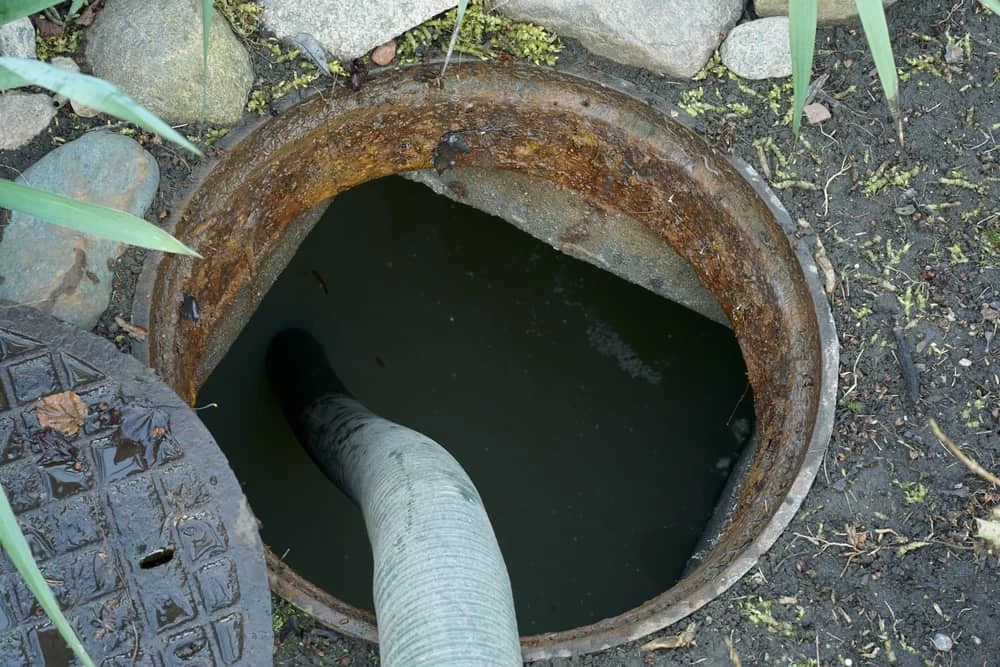
Nassau County’s sewer system operates under constant pressure during normal conditions. Add a major rainstorm or hurricane, and the system quickly becomes overwhelmed. When heavy rain hits, stormwater and sewage flow through the same pipes in many areas. That’s called a combined sewer system, and it’s common in older infrastructure across Long Island.
The problem gets worse when you factor in the high water table. Ground saturation happens fast here. Water doesn’t absorb into the soil as quickly as it does in other parts of the country. That means more runoff enters the sewer system, which is already dealing with normal wastewater flow plus whatever rainfall is hitting streets and catch basins.
Surcharging happens when the sewer main fills beyond its designed capacity. Picture a traffic jam in your sewer line. Everything slows down, then backs up, then starts looking for anywhere to go. Your sewer lateral connects to that main. When the main surcharges, pressure reverses and sewage flows backward toward your home instead of away from it. Without a backwater valve, that sewage comes up through your floor drains, toilets, and any other fixture connected to the sewer line.
Tree roots make the problem worse. They seek moisture and nutrients, which means they grow into sewer lines through any crack or joint they can find. Once inside, they create blockages that reduce flow capacity. During a storm, those blockages turn into complete stoppages. Even if your property’s sewer line is clear, problems anywhere in the municipal system can cause backups that affect your home.
Aging infrastructure compounds everything. Many of Nassau County’s sewer lines were installed decades ago. Pipes crack, shift, and deteriorate over time. Capacity that might have been adequate fifty years ago doesn’t meet current demand, especially with development increasing in many areas. The infrastructure can’t keep up with the climate we’re dealing with now, which means storms that used to be manageable now cause widespread sewer backups.
You can’t control the municipal system. You can’t prevent heavy rain. But you can control what happens at your property line. That’s where a sewer backup valve gives you protection regardless of what’s happening in the street or at the treatment plant. When the system fails, your home stays protected.
Installing Sewer Backup Valves Before Hurricane Season
Timing matters with sewer backup valve installation. Once hurricane season starts and storms are in the forecast, getting installation scheduled becomes difficult. Demand spikes. Contractors get booked weeks out. And if a storm is imminent, there’s simply no time to do the work properly.
Spring is the ideal time to install a backwater valve on Long Island. The ground has thawed, contractors have availability, and you’re ahead of both hurricane season and the summer thunderstorm season. Installation during new construction costs significantly less than retrofitting an existing home because the sewer line is already exposed. But most homeowners are dealing with existing properties, which means retrofitting.
A retrofit installation requires cutting through your basement floor to access the main sewer line. The plumber locates the best spot for the valve, typically near where the line exits your foundation. They excavate enough area to work safely, cut the existing pipe, install the valve assembly, and restore the floor. The valve needs to be accessible for future maintenance, so most installations include an access cover flush with the floor.
Choosing the right valve depends on your specific situation. Automatic flood gate valves use air pressure and offer the most reliable long-term protection. They’re larger than other options and cost more, but they work during extended backup events without any action from you. Manual gate valves require you to close and reopen them manually, which only works if you’re home and know when to operate them. Sewer check valves are the most affordable option but work best for short-term backups, typically under 24 hours.
A qualified plumber can assess your property and recommend the appropriate valve type based on your sewer line size, basement elevation, and flood risk. They’ll also check for any code requirements specific to Nassau County. Some municipalities require permits for backwater valve installation. The plumber should handle that paperwork as part of the installation process.
Cost varies based on valve type, installation complexity, and your property’s specific conditions. Expect to pay between two and five thousand dollars for a complete retrofit installation. That includes the valve, labor, excavation, and floor restoration. Some homeowners qualify for municipal rebates or insurance discounts that offset part of the cost. Check with your local building department and insurance provider before scheduling installation.
Once installed, test the valve to make sure it operates correctly. Your plumber should demonstrate how to access and inspect it. Mark the location clearly so you can find it quickly if you need to check it during a storm. Keep the installation paperwork and warranty information somewhere safe. You’ll want that documentation for future home sales and insurance purposes.
Don’t wait until you see a hurricane forecast to think about sewer backup protection. By then, it’s too late to do anything except hope for the best. Install the valve during calm weather, maintain it properly, and it’ll be there working automatically when the next major storm hits Long Island.
Protecting Your Long Island Home from Sewer Backups
Sewer backup valves aren’t complicated technology. They’re simple mechanical devices that solve a specific problem: preventing municipal sewer failures from destroying your home. For Nassau County properties, especially those with basements or fixtures below street level, that protection isn’t optional. It’s essential.
Hurricane Sandy taught Long Island what can happen when sewer systems fail during major storms. Thousands of homes flooded with raw sewage. Families displaced for months. Tens of thousands of dollars in damage per property. Most of that could have been prevented with a properly installed backwater valve.
The valve won’t stop every type of flooding. It won’t prevent storm surge from coming through your windows or foundation cracks. But it will stop sewage from backing up through your drains, which is one of the most damaging and most preventable types of basement flooding during storms. For most Long Island homeowners, that’s the protection that matters most.
If you’re ready to protect your property before the next hurricane season, we can help. With nearly 40 years of experience serving Nassau and Suffolk counties, we specialize in sewer backup valve installation using advanced trenchless technologies that minimize disruption to your property. Our team is available 24/7 for emergency response and provides transparent pricing with guaranteed workmanship on every installation.