
Summary:
Why Suffolk County Homes Experience Low Water Pressure
Living near the ocean means Long Island pipes deal with salt air, humidity, and temperature swings that wear them out faster than pipes inland, especially when combined with our old housing stock from the 1940s and 50s. The most common culprit is old galvanized pipes where rust builds up within the piping, decreasing the inside diameter and causing less water to flow.
Many Long Island homes built in the 1950s and 60s used galvanized steel pipes that typically last 40 to 50 years before rust clogs them completely, meaning if your house is from that era and you’ve never replaced your main line, you’re probably due. Low pressure can also result from competing demands for water, such as experiencing weak flow when a nearby shower is running, or from higher-use activities like yard watering affecting other areas of the property.
How Galvanized Pipe Deterioration Affects Water Flow
Galvanizing is the process of coating metal in a thin layer of zinc to protect it from corrosion, and from the 1950s to 1960s, it was common to use galvanized steel for residential plumbing installations in Suffolk County. However, time takes its toll on these systems in ways that aren’t immediately visible.
Metal pipes are subject to corrosion and eventually break down because of rust, with corrosion caused by acidic substances introduced to the system, and when metal pipes start to rust they can reach a point where slight ground shifts cause fissures that result in leaks. Copper can encounter difficulties with acidic water, which may not be ideal for piping in Suffolk County where water quality is slightly acidic, and copper is also susceptible to pinhole leaks and corrosion caused by contact with other metals.
The deterioration process happens gradually. Your water may look rusty or taste metallic as old galvanized pipes break down over time, and once rust gets into your main line, it affects every tap in your house. Home inspectors often find low water pressure at sinks in older homes from the 1920s through the 80s, and while they can usually identify the cause, the solution typically requires professional intervention.
What makes this particularly challenging for Suffolk County residents is that our sandy soil shifts and settles, putting stress on underground lines, while salt air from the ocean corrodes copper pipes faster than inland areas, and winter freeze-thaw cycles affect poorly insulated pipes in crawl spaces. These environmental factors accelerate the normal aging process of your water main system.
When Water Pressure Problems Signal Main Line Issues
Another cause of low water pressure, especially when the change occurs suddenly, is a leak in your home’s pipes – when a pipe is leaking, the resulting available water pressure drops, and a leak doesn’t have to be huge to cause low water pressure while even small leaks can cause building damage and pricey water bill spikes. Pipe leaks are more frequent after sudden cold snaps or short bursts of freezing weather.
Understanding the difference between fixture-level problems and main line issues helps you determine the right solution. If low pressure affects only one sink or showerhead, the filter may have become clogged and a simple cleaning may correct the problem. However, if you have low pressure throughout your whole home rather than just certain areas, and it’s not caused by competing water demands like running multiple fixtures simultaneously, the issue likely lies with your main water line.
When testing reveals that putting a gauge on the system shows 60 PSI initially, but running water in sinks and tubs drops the gauge to 15 PSI, this indicates a serious restriction that typically requires water company involvement to check the curb stop or main line replacement. If any components between the water main and your home are problematic, you could have 60 PSI with no flow, but run some water and the PSI falls dramatically.
Professional assessment becomes crucial at this point. If you can’t find the cause of low water pressure in your home, contacting your water company or a plumber for help is essential, and you may benefit from a booster pump to boost water flow. The sooner you get help with Long Island plumbing repair, the less you’ll have to worry about costly complications and active health hazards.
Water Main Replacement Solutions for Suffolk County
The superior solution for corroded steel lines in Suffolk County is full galvanized pipe replacement – it takes more time and effort than relining, but the rewards of choosing a new, safer material are worth the time investment, and modern piping will last longer than existing galvanized piping without the significant risks. If your pipe material is outdated like galvanized steel, old copper, or clay, replacement makes more sense even for single leaks because modern materials last longer and resist corrosion better.
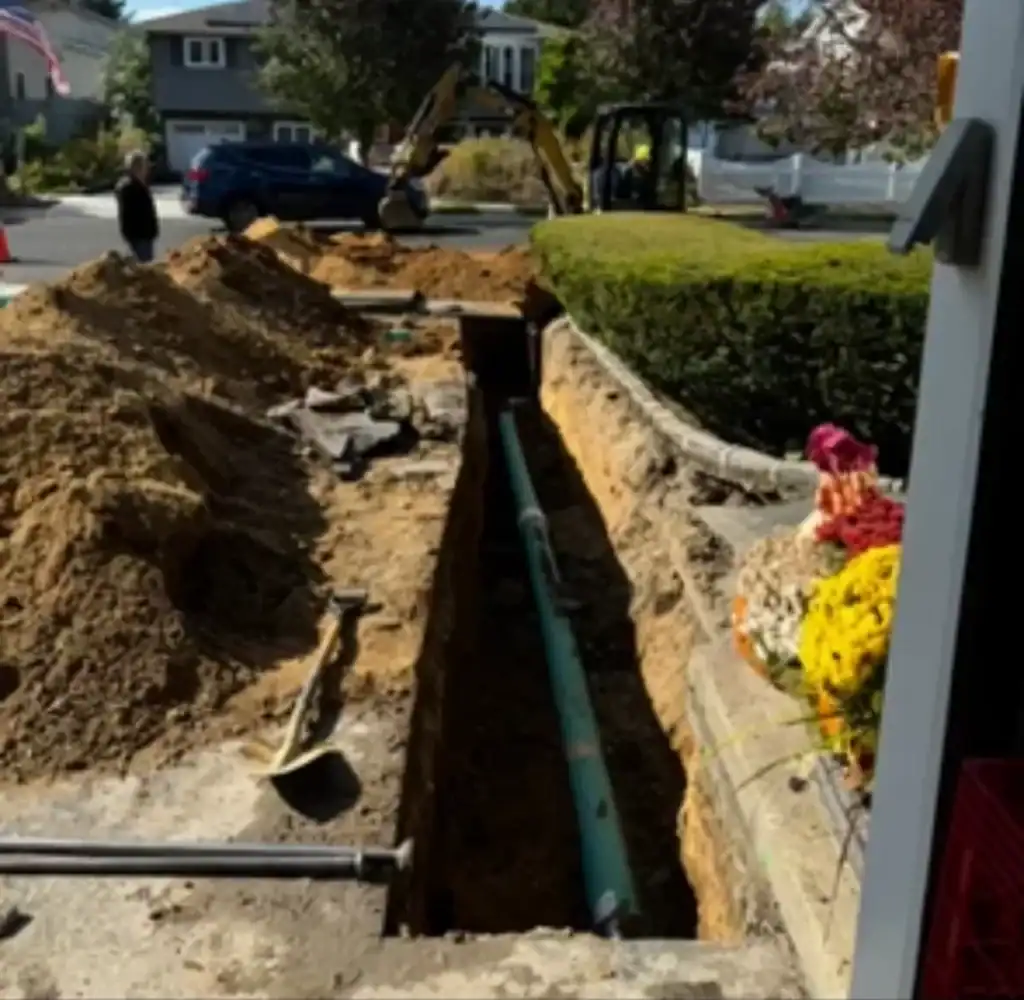
Galvanized pipe replacement usually takes a team of plumbers about one week in Suffolk County, involving exposing all current lines through digging around buried lines or removing patches of walls and ceilings, with new lines made of modern materials installed next to existing lines, and after replacements are connected to mains, old lines are either removed or left in place.
Modern Trenchless Water Line Replacement Options
Traditional pipe repair processes for underground sewer or water pipes usually involve tearing up lawns to dig deep trenches four to six feet underground, meaning lengthy repair time and high costs in Suffolk County, but trenchless repair requires little digging and fixes pipes from the inside with less environmental impact, using only a couple of small pits to gain access to damaged pipes.
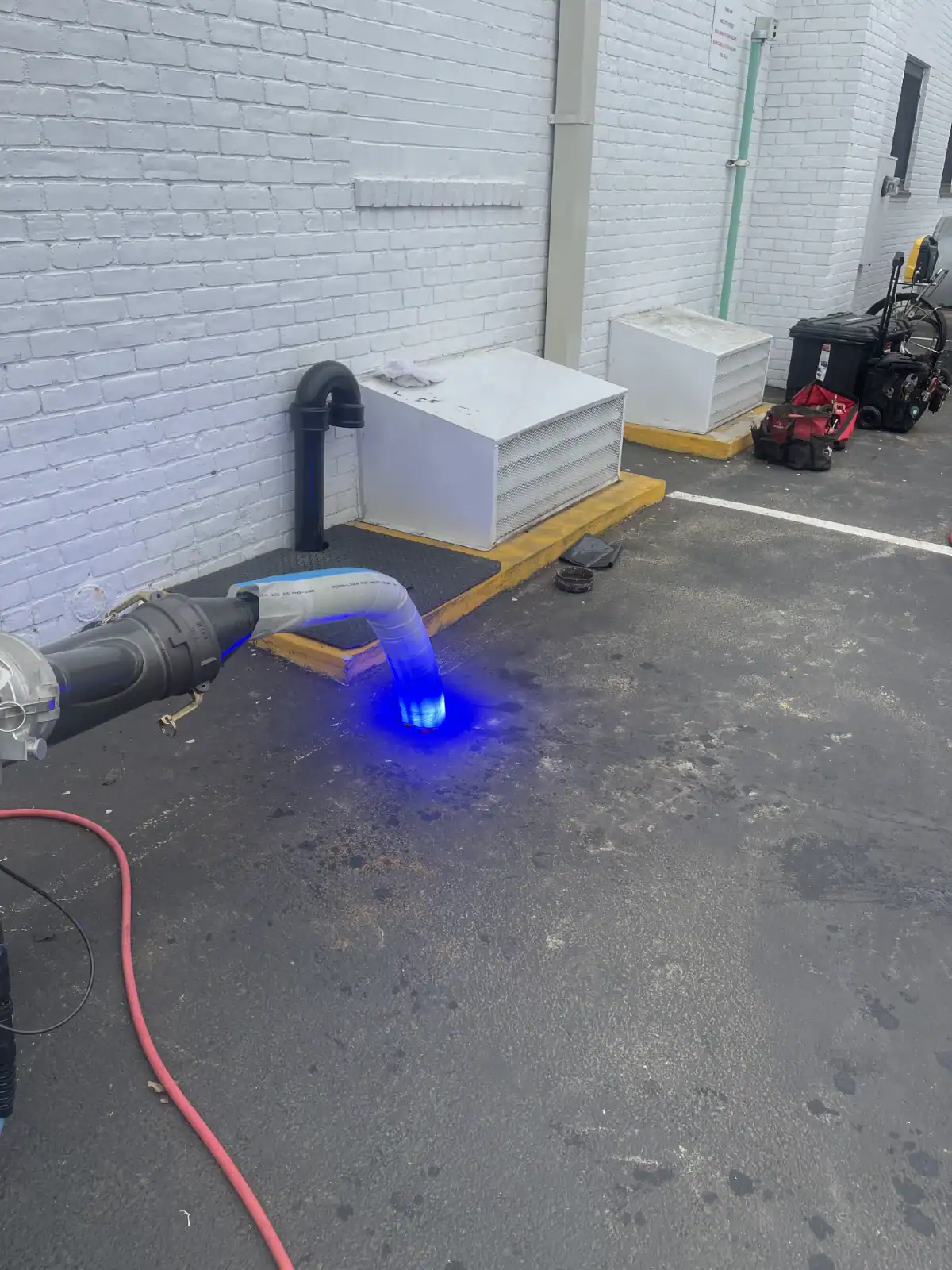
Trenchless technologies are non-invasive methods of installing, repairing, or maintaining water and sewer pipes without requiring digging, where a new pipe is pulled through an existing old or broken pipe, pushing it out of the way and replacing it, or an epoxy lining is inserted into the old pipe, expanded, and cured in-place, essentially creating a new pipe inside the old one.
We are among the only providers of trenchless sewer and water line services across both Nassau County and Suffolk County, using trenchless technologies to provide more efficient, convenient, and cost-effective sewer line services to residents and businesses. The newest pipe relining technologies include trenchless pipe relining that utilizes a detection device introduced into existing pipes, and as the device is pulled back it leaves a line of resin impregnated with fiber that toughens and becomes an interior pipe, reinforcing the old pipe and making it leak-proof and stronger.
Water line replacement or repair can be done quickly and efficiently, saving time and money through excavation by backhoe or underground trenchless machines for no lawn or landscape damage, letting waterline crews get the job done fast. Trenchless pipe relining technology eliminates costly and troublesome digging, particularly when pipes are located underneath structures or houses.
Choosing the Right Replacement Materials for Long Island Conditions
Modern water line replacement gives you several material choices, with each working better for different situations and budgets. Copper pipes last 50 to 70 years and handle Long Island’s soil conditions well, costing more upfront but rarely needing repairs, with most local codes accepting copper for main water lines. PEX (cross-linked polyethylene) costs less and installs faster than copper while flexing with ground movement and resisting freezing better.
Often considered the best option for residential water supply lines, copper resists corrosion, lasts for a long time, and is relatively easy to install, making copper lines generally a great option for galvanized pipe replacement. However, copper can encounter difficulties with acidic water, which may not be the ideal choice for piping in Suffolk County where water quality is slightly acidic.
The exact type of modern material you should use depends on what your galvanized pipe replacement will affect – for anything connecting to a hot water heater, you have fewer options than for lines carrying only cold water, because hot water will damage some common types of piping material. The good news is modern pipes last way longer than old ones – when pipes are replaced now, you probably won’t need to think about them again for 50+ years.
Professional evaluation helps determine the best approach for your specific situation. Emergency repairs get your water running quickly, but they’re temporary solutions – one customer in Babylon had three leaks patched over six months before deciding to replace the whole line, and the replacement cost less than continuing repairs. Older pipes, especially galvanized steel or outdated copper, are prone to corrosion, scaling, and leakage, and replacing deteriorating pipes with modern, long-lasting materials like PEX or copper improves water quality and pressure.
Getting Professional Water Main Replacement in Suffolk County
If you’ve got older galvanized steel water lines, it’s better to replace them before they fail than wait for potential catastrophes to force your hand and increase your costs. Old pipes don’t give much warning before they fail – one day everything’s fine, the next day you’re dealing with a flood in your basement, and this happens in Huntington, Babylon, Hempstead, and pretty much every town from Montauk to Queens.
Main water line replacement in New York costs $2,486 on average, with the average range from $1,202 to $3,782, depending on pricing factors such as length, materials, and installation specifics. We provide free estimates for water line replacement costs, helping you understand your options before making decisions.
When you need reliable water main replacement services in Suffolk County, we bring the expertise and advanced technology to restore proper water pressure to your home efficiently and with minimal disruption to your property.