

Summary:
Eco-Friendly Piping Materials Leading 2026 Water Line Upgrades
The growing focus on sustainability is driving demand for recycled piping materials, with consumer preferences increasingly favoring sustainable products. This shift represents more than environmental consciousness—it’s about long-term value and performance.
Research shows PEX pipes have a lower lifetime environmental impact than copper and other traditional materials, with an operational lifespan of approximately 100 years that greatly reduces the need for costly replacements. For Nassau County homeowners, this means fewer disruptions and better long-term investment returns.
The sustainability movement extends beyond materials to manufacturing processes, where companies are adopting cleaner production methods and circular economy principles that benefit both consumers and the environment.
PEX vs Copper: The Environmental and Cost Comparison
The copper versus PEX debate has evolved beyond simple cost comparisons to encompass environmental impact and long-term sustainability. Life cycle inventory reports show PEX has a lower environmental impact than copper overall, emitting fewer greenhouse gases according to studies by the Plastic Piping Education Foundation.
From a practical standpoint, the numbers tell a compelling story. Installing copper water pipes costs 58-68% more than PEX, with homeowners paying $8,000-$10,000 for copper versus $4,000-$6,000 for PEX in an average two-bathroom home. This cost difference extends beyond initial installation.
Copper wastes at least 15% more energy than plastic pipes on average, and about 32% more water due to heat loss during transport, while PEX’s insulation properties require less energy to achieve desired water temperatures. For Long Island homeowners concerned about utility costs, these efficiency gains translate to ongoing savings.
The durability comparison reveals interesting trade-offs. While copper pipes last 50-70 years compared to PEX’s 30-50 years, copper can be expected to outlast PEX by about 20 years under typical municipal water conditions. However, PEX’s lifespan can be shortened by extremely hot water or high chlorine levels, while copper’s life is reduced by highly acidic water.
The installation advantages of PEX become particularly relevant for 2026 trends. PEX is easier for DIY installation and professional work alike, while copper connections require torches for soldering. This translates to faster installation times and lower labor costs, making PEX increasingly attractive for modern water line replacement projects.
Sustainable Manufacturing and Recycling Innovations
The piping industry’s commitment to sustainability extends far beyond the pipes themselves. Leading manufacturers like Uponor use sustainable manufacturing methods, with approximately 99% of scrap material recycled and repurposed as filler for other products or transformed via clean incineration to extract stored energy for heating.
Copper pipes offer excellent recyclability benefits, eliminating the need for solvent-based sealants and reducing air pollution, with responsible disposal practices helping mitigate the environmental impact of copper mining. This creates a compelling case for copper in certain applications where longevity outweighs initial cost considerations.
The recycling conversation becomes complex when examining different materials. While PEX cannot be recycled through traditional methods due to its manufacturing process, PEX tubes can sometimes be repurposed for other building projects. Meanwhile, cast iron pipes made entirely of recycled metals can themselves be recycled, creating a closed-loop lifecycle that drastically cuts down on waste, with magnetic properties making them easier to sort and recycle.
For Nassau and Suffolk County homeowners planning 2026 upgrades, these sustainability factors influence both immediate project costs and long-term environmental impact. The trend toward eco-friendly materials reflects broader consumer values while delivering practical benefits through improved efficiency and reduced maintenance requirements.
Trenchless Water Line Replacement: The Speed Revolution
Trenchless water line replacement doesn’t involve digging up your property, making it fast and eco-friendly while eliminating concerns about other property repairs after the procedure. This technology represents the most significant advancement in water line installation methods, fundamentally changing how homeowners approach infrastructure upgrades.
Trenchless water line replacement typically takes only a couple of hours, whether you’re conducting installation or repair, compared to traditional methods that can take days. For Long Island families, this means minimal disruption to daily routines and faster return to normal water service.
The environmental benefits align perfectly with 2026’s sustainability trends. Since there’s no excavation, the entire process is environmentally friendly, reducing soil disturbance while keeping yards intact.
Cost Advantages of Modern Trenchless Methods
The financial benefits of trenchless technology extend far beyond the initial installation quote. Trenchless water line replacement costs less than traditional methods and lasts longer, requiring fewer materials, less manpower, and consuming less time to accomplish. These savings compound over the project lifecycle.
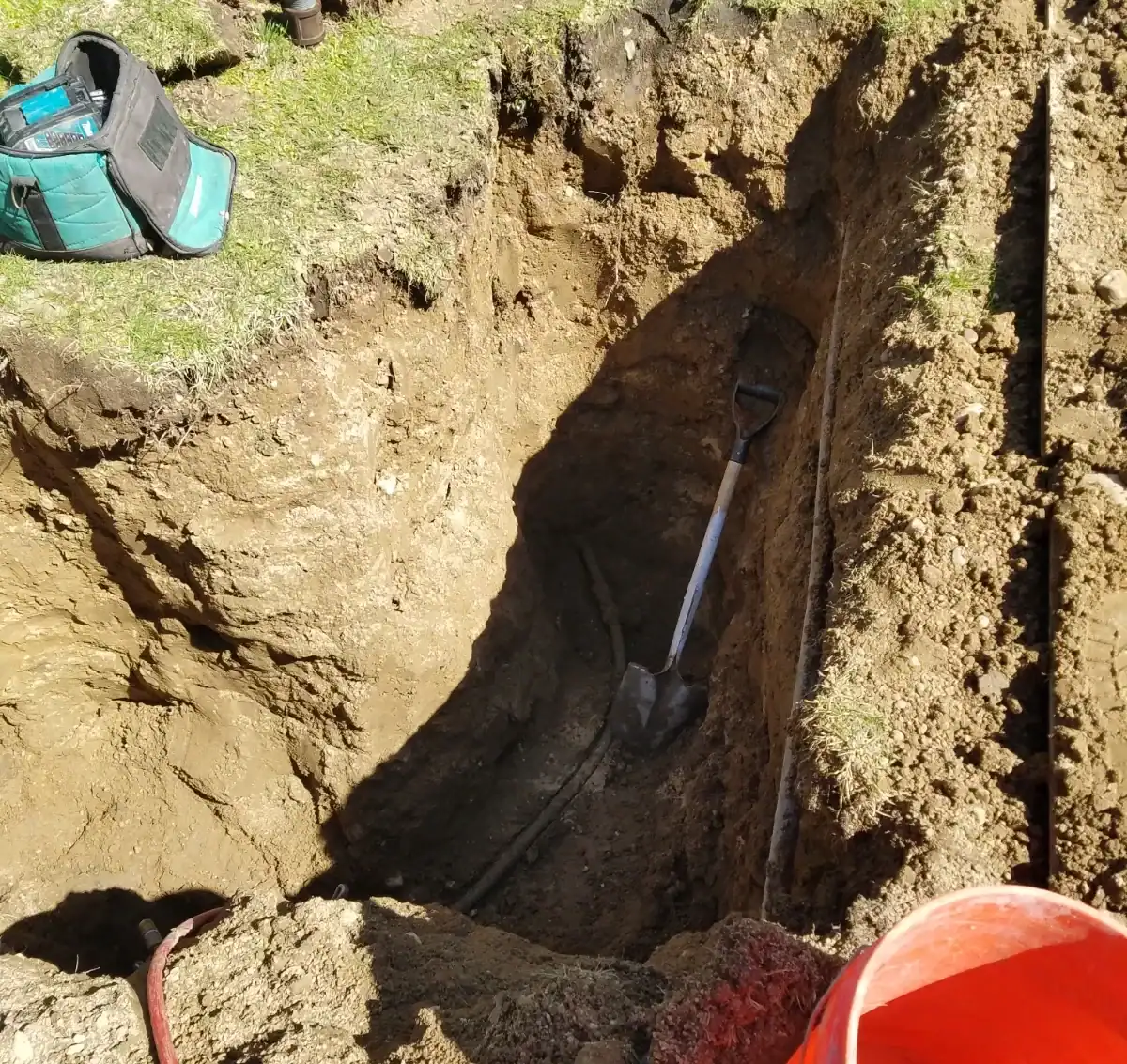
Traditional excavation methods require paying for both the excavation work and restoration costs to return your yard to normal, while trenchless methods eliminate restoration expenses and can be completed the same day. For Nassau County homeowners with established landscaping, this represents thousands of dollars in potential savings.
While trenched water line replacement costs $50-$200 per linear foot, this seemingly cheaper upfront cost typically involves additional expenses including landscaping restoration at $50-$100 per hour to repair excavated areas. The hidden costs of traditional methods often make trenchless solutions more economical overall.
Trenchless plumbing replacements can reduce completion time from eight weeks to just a few days, and can be up to 50% less expensive depending on the project type. These time and cost savings become particularly valuable for Long Island homeowners managing busy schedules and property maintenance budgets.
The speed advantages translate directly to reduced labor costs and faster return on investment. Trenchless water line services offer efficient repairs with minimal disruption, saving both time and money compared to traditional excavation methods, with faster processes that are more cost-effective and result in less property disturbance.
Advanced Trenchless Technologies and Methods
The trenchless industry continues evolving with sophisticated methods tailored to specific replacement needs. Modern techniques include pipe bursting and cured-in-place pipe lining (CIPP), with pipe bursting involving pulling a new, corrosion-resistant pipe through the old line while fracturing outdated material, and CIPP placing a resin-coated liner inside existing lines to form durable, root-resistant pipes once cured.
The trenchless process begins with thorough inspection to assess existing water line conditions, followed by creating small access points at pipeline beginning and end to minimize excavation, then using advanced techniques like pipe bursting that breaks old pipes while simultaneously pulling in new ones.
Materials used in trenchless repair typically include PVC or cured-in-place pipe liners offering durability and longevity, though contractors may encounter existing materials like copper and galvanized steel, with PVC being flexible and corrosion-resistant, copper durable but costly, and galvanized steel strong but prone to corrosion.
The accessibility advantages of trenchless methods address common Long Island property challenges. Trenchless water line replacement allows plumbers to reach areas difficult to access before, including sewer and water mains running below buildings that are impossible to reach through digging. This capability proves invaluable for Nassau and Suffolk County properties with complex layouts or established hardscaping.
Quality control and safety standards continue advancing alongside technology. The highly technical nature of trenchless water line replacement requires certified experts, making it essential to engage only qualified and experienced specialists who can demonstrate their portfolios. This emphasis on expertise ensures Long Island homeowners receive professional installation that maximizes the benefits of these advanced methods.
Making Smart Water Line Replacement Decisions for 2026
The convergence of eco-friendly materials and trenchless installation methods creates unprecedented opportunities for Long Island homeowners planning water line upgrades. Industry experts report major growth in demand for trenchless technologies and eco-friendly solutions, with innovation creating new revenue streams and rising demand driven by infrastructure upgrades and growing homeowner expectations.
When you’re ready to move forward with water line replacement, we bring nearly four decades of experience to Nassau County properties while specializing in trenchless methods to get the job done right without disrupting your life. The key lies in choosing contractors who understand both emerging technologies and local conditions.
For Nassau and Suffolk County residents, 2026 represents an ideal time to invest in water line infrastructure. The combination of advanced materials, proven trenchless methods, and experienced local contractors like us at Long Island Water and Sewer Main – Allied All City ensures your upgrade delivers maximum value while minimizing disruption to your property and daily routine.