
Summary:
How Winter Weather Affects Long Island Sewer Lines
Winter brings more than snow and ice – it introduces conditions that strain your home’s sewer system. Cold weather causes ground to freeze, directly impacting underground sewer lines, especially older or improperly insulated ones.
When temperatures dip below freezing, water inside pipes freezes and expands, leading to cracked or broken pipes and complete blockages. Ice formation creates pressure exceeding 3000psi, enough to split pipes, and once thawed, water damage becomes imminent. Unlike other seasons, winter issues develop slowly and often go unnoticed until they become bigger problems.
Common Winter Sewer Problems in Nassau and Suffolk Counties
The most common winter problem is frozen pipes and sewer lines – when water freezes inside pipes, expansion leads to cracks or breaks, potentially causing complete blockages. This hits Nassau County and Suffolk County particularly hard because the ground freezes deep, and pipes in crawl spaces or against exterior walls in older homes can’t handle the stress.
Delayed thawing compounds the problem – frozen pipes can take a long time to thaw depending on weather conditions, leaving your plumbing system out of service and leading to costly repairs. Even sewer lines buried below the frost line can freeze when extremely cold weather sends ice into drain systems, especially if left unused without warm wastewater flowing through.
Many homeowners forget to disconnect garden hoses, causing water to freeze in the line and crack pipes inside walls – this seems minor until water starts flowing into basements or crawl spaces. Sewer lines outside the house can freeze when exposed to open drains with snow or ice entering, or when sudden temperature drops occur, especially problematic with missing trap caps that allow frigid air to freeze water in traps.
The financial impact is real. Pipes run at four to eight gallons per minute, so even one frozen burst pipe can cause tens of thousands of dollars in damage. Nassau County’s freezing temperatures regularly cause water inside pipes to freeze and expand, resulting in significant water damage and costly repairs.
Warning Signs Your Sewer Line is at Risk This Winter
The best way to avoid serious sewer line issues during winter is identifying potential problems early. Slow draining in sinks, bathtubs, or toilets could indicate blockage in the sewer line, happening when ice or debris builds up inside pipes and restricts water flow.
Unpleasant odors coming from drains or outdoor areas near the sewer line signal something’s blocking the line – this could be ice, debris, or a more serious issue like a crack in the pipe. Gurgling noises from your drains are another sign of a clog in the sewer line.
Watch for these additional warning signs that indicate winter stress on your system: water backing up in multiple fixtures simultaneously, which suggests main line problems rather than individual drain clogs. If your toilet makes gurgling sounds, have your main sewer line checked – this is an early warning sign of a clog. Another early warning is water splashing out when your washing machine drains.
Sewage backing up into your basement or first floor bathroom isn’t just unpleasant – it’s a health hazard, particularly common in Long Island areas like Lynbrook and Valley Stream where older sewer connections are vulnerable to tree root invasion. Don’t ignore these signs. Winter weather causes significant stress on plumbing systems, and regular sewer line maintenance is crucial to ensure your system remains in good working condition throughout winter months.
Preventive Winter Sewer Line Maintenance Strategies
Following specific tips to prevent frozen sewer lines will help you avoid a winter plumbing disaster. It’s important to understand that drains, appliances, and toilets in your house affect sewer lines outside your house – when you use drain lines consistently, water keeps moving, and moving water is less likely to freeze.
Sewer lines need regular maintenance to prevent blockages and potential damage, and regular maintenance keeps your plumbing system running smoothly while avoiding expensive repairs. Regular inspections and cleaning reduce the need for future sewer services by removing debris and buildup before it becomes an issue, with annual sewer inspection and drain cleaning best for most homes.
Essential Winter Plumbing Prep for Nassau County Homeowners
The simplest way to prevent frozen sewer lines is insulating your pipes, especially those running through unheated areas like garages or crawlspaces – seal cracks, gaps, and vents that allow cold air to enter with foam insulation. Check insulation in the garage and weatherstripping around doors leading from garage to backyard or side of house.
Keep water moving in your pipes by opening faucets enough to allow a small trickle of cold water to flow out, and consider opening under-sink cabinets to allow warm air to circulate around pipes. Insulate exposed pipes in unheated areas like basements or attics, and let faucets drip during extreme cold to prevent freezing.
Open cabinet doors under kitchen and bathroom sinks to let warm air circulate around pipes, and if you’re going away during winter, keep your heat on and have someone check your house regularly. If you’re out of town and not using your drains, or if pipes run through unheated parts of your home, or sewer lines weren’t installed properly, you may end up with frozen water pipes.
Professional drain maintenance in Nassau County goes beyond DIY steps. Regular cleaning prevents clogs and blockages – over time, debris like grease, hair, and toilet paper builds up in sewer lines causing clogs and slow drains, and without maintenance, these blockages lead to sewage backups and costly repairs. Regular inspections identify tree root infiltration early – tree roots easily invade sewer pipes causing blockages and breaking pipes, but regular inspections detect root intrusion early and allow removal before major system damage.
When to Call Professional Sewer Cleaning Suffolk County Services
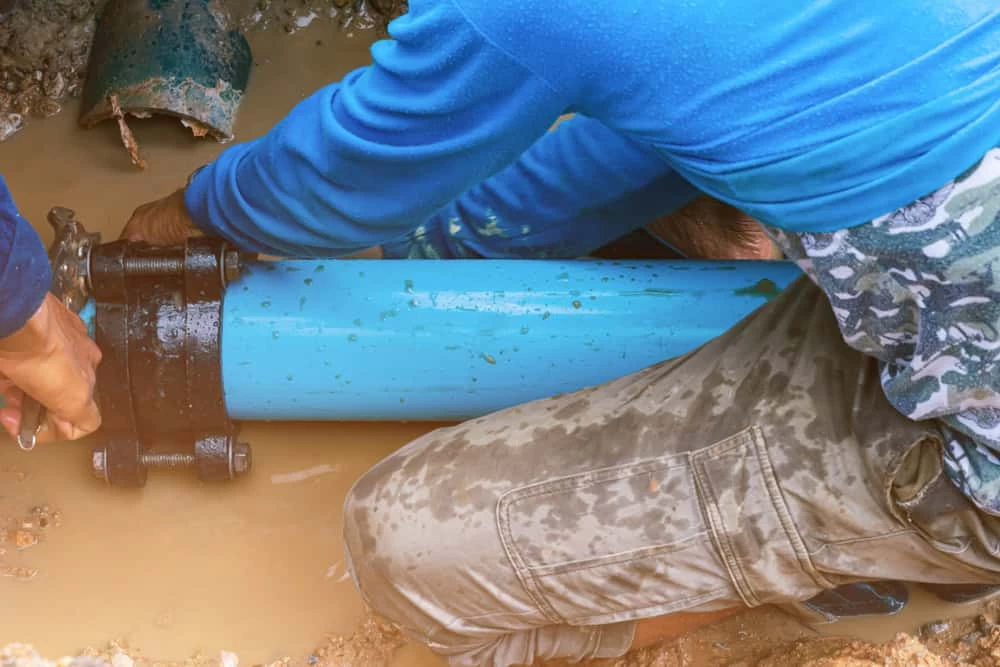
If you notice signs of a frozen sewer line, contact a licensed professional plumber immediately to minimize potential damage – remember that not every plumbing professional is licensed for outside and underground work, and frozen or burst sewer lines require professionals with excavation, repair, and installation experience, plus expertise in city regulations and Department of Environmental Protection and Transportation inspections.
While some plumbing emergencies can be managed temporarily, most require professional expertise – for Nassau County and Long Island residents, emergency plumbing services are available 24/7 to handle any crisis effectively. If a pipe bursts, shut off the main water supply and call a plumber immediately – emergency plumbing services are available 24/7.
Don’t wait for small problems to become emergencies. Neglecting to address minor issues leads to more significant problems down the line including costly repairs, but catching small issues early saves time, money, and headaches down the road. The best way to prevent problems with your drainage system is through preventative maintenance and regular inspections, though even the most proactive homeowner can wind up with clogged or damaged drain pipes.
Regular maintenance reduces the risk of sewer line failures – a damaged sewer line disrupts daily life and leads to expensive repairs, but regular inspections and cleaning reduce the likelihood of sudden failure, helping avoid unexpected plumbing emergencies. Consider a preventive maintenance plan – by scheduling regular drain check-ups, you can minimize emergency calls.
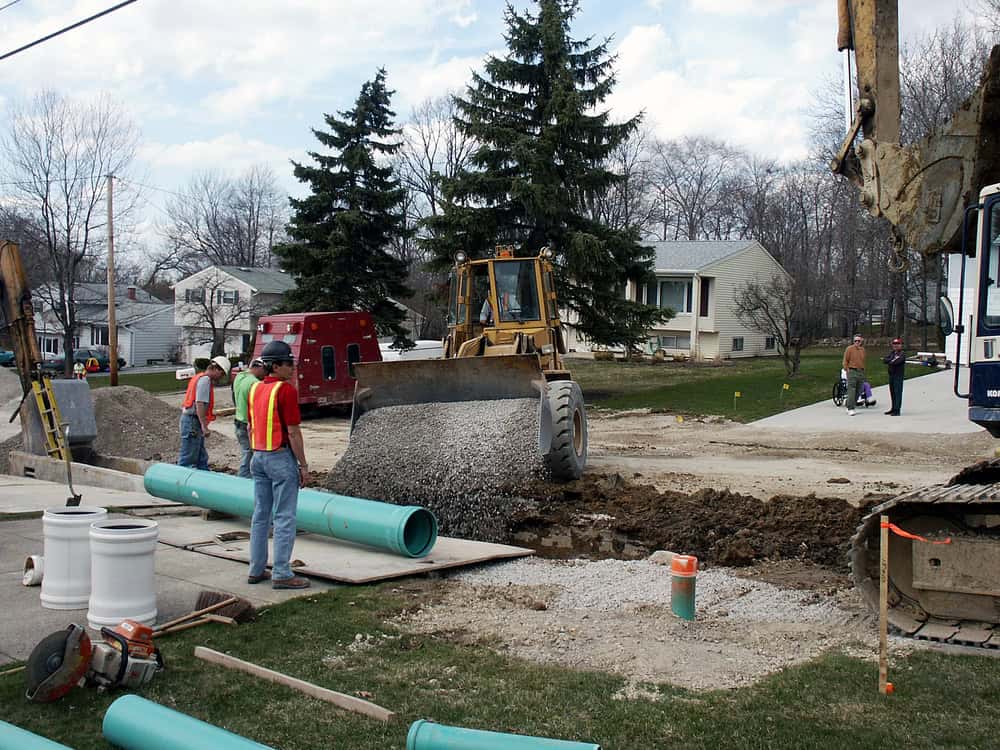
Professional services offer advanced solutions you can’t get with DIY approaches. Advanced trenchless technologies provide more efficient, convenient, and cost-effective sewer line services. Trenchless sewer line repair requires little digging and fixes pipes from the inside with less environmental impact – this non-invasive method requires only a couple small pits to access damaged pipes below ground.
Protecting Your Long Island Sewer System This Winter
Winter sewer line maintenance isn’t optional in Long Island, NY – it’s essential. Proper maintenance prevents freezing, blockages, and damage caused by cold temperatures, ensuring your system runs smoothly and reducing the risk of costly repairs while protecting your property from potential winter-related plumbing issues.
Proper maintenance keeps sewer lines in top shape and extends their lifespan – by addressing issues early, you avoid premature replacements and save money over time. Regular inspections catch issues early and protect your property from potential foundation damage.
Don’t wait for winter to test your sewer system. We have been protecting Nassau and Suffolk County properties for nearly four decades, and our experienced team understands exactly what Long Island winters can do to your sewer lines.