
Summary:
It’s 11 PM on a Saturday. You hear water running where it shouldn’t be. You walk into your basement and there’s water everywhere—pooling on the floor, streaming from a pipe, soaking into boxes you’ve stored for years. Your heart races. You grab your phone and search “emergency plumber near me.”
This is the moment most homeowners dread. But here’s what matters right now: knowing what happens next can save you thousands in damage and give you control over a situation that feels completely out of hand. From the second you make that call to the moment your emergency plumber walks through the door, there’s a clear process. And understanding it means you can act fast, protect your property, and get back to normal faster than you think.
What Happens When You Call an Emergency Plumber
The moment you dial that number, the clock starts working in your favor. A real person answers—not a voicemail, not an automated system. We’re going to ask you specific questions about what’s happening, where the water is coming from, and whether you’ve been able to shut anything off.
This isn’t small talk. Every detail you provide helps us arrive prepared with the right tools and parts. When you explain that water is gushing from under your kitchen sink versus slowly pooling near your water heater, that changes what we bring and how we approach the job.
You’ll get an estimated arrival time. In Nassau County, NY, most emergency plumbers aim to reach you within 30 minutes to two hours depending on your location and the time of night. We’ll also walk you through immediate steps you can take right now to slow the damage while you’re waiting.
How to Minimize Damage Before the Plumber Arrives
The minutes between your call and the plumber’s arrival are critical. Water doesn’t wait, and neither should you. Your first move is finding your main water shutoff valve and turning it off. Most homes in Nassau County have this valve near the water meter, often in the basement or behind an access panel near the front of the house.
If you can’t find the main valve or the leak is isolated to one area, look for the smaller shutoff valves. Under every sink, you’ll see two small knobs where the pipes connect to the wall. Behind your toilet, there’s usually a valve near the floor. Turn these clockwise until they stop. This cuts water to that specific fixture without shutting down your entire house.
Once the water stops flowing, open your faucets—especially the lowest one in your home. This drains whatever water is still sitting in the pipes and relieves pressure in the system. If the problem involves your hot water line, turn off your water heater. For electric models, flip the breaker. For gas heaters, turn the dial to the pilot setting. This prevents the tank from overheating or building dangerous pressure while the water supply is off.
Now grab towels, buckets, anything that can catch or soak up water. Move furniture away from wet areas. If you have boxes or belongings near the leak, get them to dry ground. The faster you contain the water, the less damage it causes to your floors, walls, and foundation. Take photos of everything. If you need to file an insurance claim later, this documentation becomes essential.
Clear a path from your front door to the problem area. Move shoes, bags, anything that might slow us down when we arrive with equipment. If the issue is in your basement, make sure we can access the stairs easily. These small actions shave minutes off the repair time, and in an emergency, minutes matter.
What Information Your Emergency Plumber Needs From You
When we arrive, we’re going to ask questions. Not because we doubt you, but because the details you provide help us diagnose the problem faster. Be ready to describe exactly what you noticed first. Was it a sound? Water on the floor? A sudden drop in water pressure? When did it start?
Tell us everything you’ve done since discovering the problem. If you shut off the main valve, mention it. If you tried using a plunger or moved any pipes, we need to know. Sometimes what seems like a helpful fix can actually make the situation more complex, and being upfront about it saves time.
Let us know if this has happened before. A pipe that bursts in the same spot twice might indicate a bigger issue with your plumbing system. If you’ve had slow drains, unusual sounds, or small leaks in the past few weeks, mention those too. What seems unrelated to you might be a critical clue for us.
If you have any idea how old your plumbing system is, share that information. Homes built in certain decades across Nassau County often have specific types of pipes that are prone to particular problems. Older homes might have galvanized steel pipes that corrode over time, while newer construction might use PEX or copper. This context helps us understand what we’re working with before we even look at the problem.
Ask about pricing upfront. We’ll give you a clear estimate before starting any work. Emergency calls cost more than regular appointments—usually 1.5 to 3 times the standard rate depending on the time and day. But you should never feel blindsided by the bill. If something doesn’t sound right or the estimate seems excessive, you have the right to ask questions.
Emergency Water Leak Detection and What Your Plumber Will Do First
The moment we step through the door, we’re already assessing. We’re looking at where the water is, how much there is, and what kind of damage might be happening that you can’t see yet. Our first priority is stopping any active water flow if you haven’t already managed to do that.
Then comes the investigation. We use technology that goes far beyond just looking at pipes. We might pull out thermal imaging cameras that detect temperature differences in your walls, showing exactly where water is traveling behind drywall. Moisture meters tell us how saturated your floors and walls are, which helps determine the extent of the damage.
If the leak isn’t obvious, we might use acoustic sensors—devices that pick up the sound of water moving through pipes, even when it’s hidden under your foundation or inside walls. This is especially important for slab leaks or issues with your main water line. Finding the exact source means we can fix the problem without tearing apart your entire house looking for it.
Advanced Leak Detection Technology for Hidden Water Damage
Not every leak announces itself with a dramatic flood. Some of the most expensive problems start small—a slow drip behind a wall, a pinhole leak under your foundation, a failing seal on a pipe joint you can’t even see. These hidden leaks can run for weeks or months, quietly causing thousands in damage before you notice anything wrong.
This is where advanced leak detection becomes critical. The technology available today can find problems that would have been nearly impossible to locate even a decade ago. Infrared cameras show temperature variations that indicate moisture. A wet spot behind your wall shows up as a different color on the camera screen because water changes the temperature of the materials it touches.
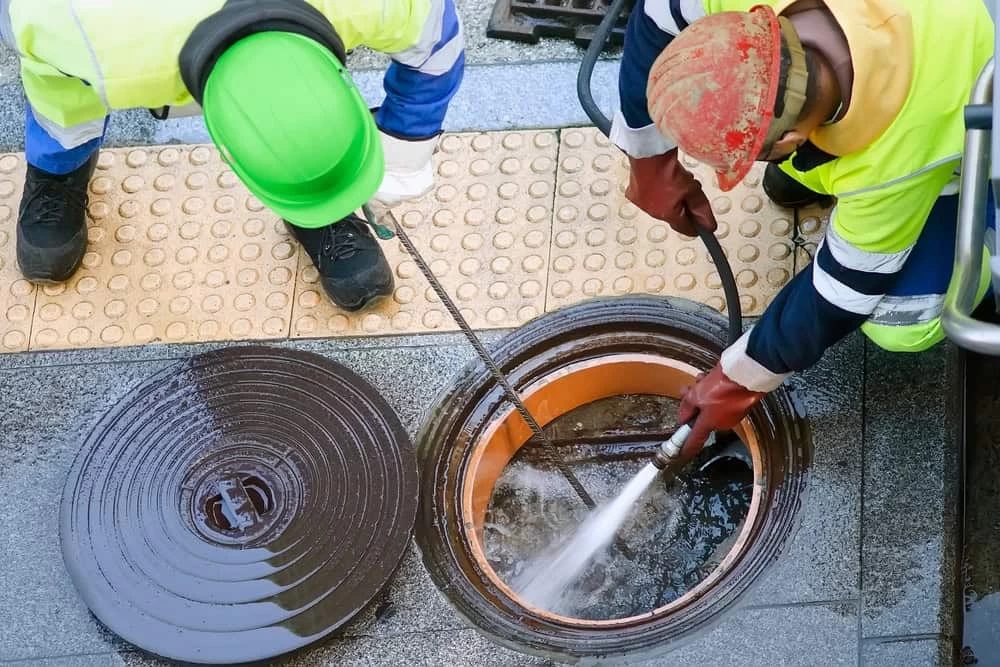
Video inspection equipment lets us see inside your pipes without cutting them open. A small camera on a flexible cable feeds through your drain lines or sewer pipes, sending real-time footage to a monitor. We can spot cracks, blockages, root intrusions, and corrosion from the inside. This means we know exactly what needs to be fixed and where, which eliminates guesswork and unnecessary excavation.
For properties in Nassau County, NY with older plumbing systems, this technology is especially valuable. Many homes here were built decades ago with pipes that are reaching the end of their lifespan. Clay sewer lines can crack and allow tree roots to invade. Galvanized steel water lines corrode from the inside out. Cast iron pipes develop holes. Being able to see these problems before they cause a catastrophic failure gives you options—you can plan for repairs instead of dealing with an emergency.
The leak detection process typically takes one to three hours depending on how complex your plumbing system is and where the problem is located. We’ll explain what we’re finding as we go, showing you the images or video if possible. This transparency helps you understand not just what’s broken, but why it broke and what you can do to prevent it from happening again.
What to Expect During Emergency Water Line and Sewer Repairs
Once we identify the problem, we’ll walk you through the repair options. For some emergencies, there’s only one solution—a burst pipe needs to be replaced, a backed-up sewer line needs to be cleared. But for other situations, you might have choices about how the work gets done.
Traditional repair methods involve excavation. That means digging up your yard, your driveway, or even cutting into your basement floor to access the damaged pipe. It works, and sometimes it’s necessary. But it’s disruptive, time-consuming, and expensive when you factor in not just the plumbing work but also the cost of repairing your landscaping afterward.
Trenchless technology has changed emergency plumbing dramatically. Methods like pipe bursting and pipe lining can replace or repair pipes without digging up your entire property. Pipe bursting involves pulling a new pipe through the old one, breaking apart the damaged pipe as it goes and replacing it in one motion. Pipe lining creates a new pipe inside the old one using an epoxy resin that hardens into a smooth, durable surface.
These trenchless methods are faster—often completed in the same day—and less expensive when you account for the total cost. You don’t have to pay someone to re-landscape your yard or repave your driveway. Your property looks the same after the repair as it did before the emergency, minus the plumbing problem.
For Nassau County homeowners, trenchless options are particularly valuable because of the soil conditions and property layouts common here. Clay soil can make excavation more complicated and expensive. Older neighborhoods have mature trees with root systems that make digging risky. Properties with established landscaping or hardscaping have more to lose when you start digging.
We’ll explain all your options, including the pros and cons of each approach. We’ll give you a clear timeline for how long the repair will take and what you can expect in terms of disruption to your daily routine. If we’re recommending a specific method, ask why. Understanding the reasoning behind the recommendation helps you make an informed decision even in the middle of a crisis.
Getting Through a Plumbing Emergency With Confidence
Plumbing emergencies are stressful. There’s no way around that. But knowing what to expect—from that first phone call to the final repair—gives you control over a situation that otherwise feels chaotic. You know what questions to ask, what steps to take while you’re waiting, and what the process looks like when help arrives.
The difference between a contained emergency and a disaster often comes down to response time and preparation. Shutting off your water quickly prevents thousands in additional damage. Calling a plumber who has the right technology and experience means the problem gets diagnosed correctly the first time. Choosing repair methods that minimize disruption to your property saves you money and headaches long after the emergency is over.
If you’re dealing with a plumbing emergency right now in Nassau County, NY, you need a team that responds fast, communicates clearly, and has the technology to fix the problem right. We bring 40 years of experience and advanced trenchless solutions to every emergency call. We’re available 24/7 because plumbing problems don’t wait for business hours, and neither should your solution.
Need this done on Long Island? Long Island Sewer and Water Main handles plumbing services across Nassau and Suffolk County. Call 631-407-2873 in Suffolk or 516-604-2651 in Nassau.