
Summary:
Your sewer line just failed. You’re facing quotes that range from a few thousand to over twenty grand, and half of them want to dig up your entire yard. The other half promise to fix everything without touching your landscaping. So which one’s actually right for your situation? The answer depends on what’s wrong with your pipes, what your property looks like, and what you’re willing to deal with over the next few weeks. Here’s what you need to know about traditional excavation versus trenchless sewer repair, and how each one affects your property, your timeline, and your total cost.
Traditional vs Trenchless Sewer Repair Comparison
Traditional sewer repair means exactly what it sounds like. Contractors dig a trench from your house to the street, expose the damaged pipe, and replace or repair the broken section. It’s been the standard approach for decades because it works, and because until recently, there wasn’t another option.
Trenchless repair takes a different route. Instead of digging up your entire yard, we access your pipes through small entry points and fix the damage from the inside. Two main methods dominate this approach: pipe lining, which creates a new pipe inside the old one using epoxy resin, and pipe bursting, which breaks apart the damaged pipe while simultaneously pulling a new one through. If your sewer system needs professional attention, sewer line repair can help determine which approach is appropriate for your specific situation.
The choice between these methods isn’t always straightforward. Traditional excavation gives contractors full access to your pipes, making it easier to handle severe damage, collapsed sections, or pipes that have shifted out of alignment. Trenchless methods work best when your pipes are still structurally sound but cracked, leaking, or invaded by tree roots.
Excavation vs No Dig Repair Methods
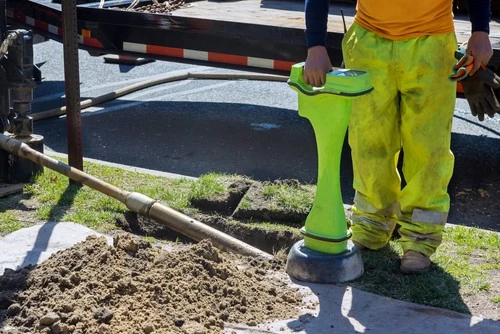
Traditional excavation starts with marking utility lines to avoid hitting water, gas, or electrical cables buried near your sewer line. Then comes the digging. Contractors use heavy machinery to cut through 4 to 6 feet of soil, creating a trench that follows your sewer line from your house to the street or the point where it connects to the main line.
Once the trench is open, workers remove the damaged pipe sections and install new ones. After the repair, they backfill the trench, compact the soil, and restore whatever was on top—grass, concrete, asphalt, or landscaping. This process is labor-intensive and time-consuming, typically taking anywhere from 3 to 5 days for residential properties, sometimes longer if weather interferes or if the damage is extensive.
No dig repair, or trenchless technology, eliminates most of that excavation. For pipe lining, we insert a flexible liner saturated with epoxy resin into your existing pipe. We position it precisely where the damage exists, then cure it in place using heat, steam, or UV light. The result is a seamless new pipe inside your old one, sealing cracks and preventing future leaks.
Pipe bursting takes a more aggressive approach when the existing pipe is too damaged for lining. A bursting head breaks apart the old pipe while simultaneously pulling a new high-density polyethylene pipe through the same path. You end up with a brand-new pipe without the mess of full excavation. Both methods require only two small access points, typically 4×4 feet or less, leaving the rest of your property untouched.
The timeline difference is significant. Most trenchless repairs finish in 1 to 2 days. Some projects wrap up in just a few hours, depending on the extent of the damage and the length of pipe being repaired. That’s a fraction of the time traditional excavation demands, and it means less disruption to your daily routine.
Nassau County’s climate adds another layer to this comparison. When temperatures drop and the ground freezes, traditional excavation becomes exponentially more difficult and expensive. Frost lines in Nassau County reach 3 feet or deeper, turning soil into concrete-hard ground that requires specialized equipment to break through. Contractors report spending up to $450 per day just on replacement cutting teeth for trenching machines during winter months, and those costs get passed directly to you.
Trenchless methods bypass this problem entirely. Since the work happens primarily underground through existing access points, frozen surface conditions don’t impact the repair process the same way. You can fix your pipes in the middle of January without waiting for a thaw or paying winter premiums.
Property Damage from Traditional Excavation
The most visible difference between traditional and trenchless repair is what your property looks like when the work is done. Traditional excavation doesn’t just dig up your sewer line. It tears through everything in its path.
If your sewer line runs under your lawn, you’re looking at a trench that’s 4 to 6 feet deep and wide enough for workers to access the pipe safely. That means removing sod, topsoil, and anything else in the way. If your line runs under a driveway, contractors need to saw through concrete or asphalt, remove it, complete the repair, then repave. Landscaping features like retaining walls, flower beds, or mature plantings? They’re coming out too.
The damage extends beyond the visible surface. Excavation can disrupt underground sprinkler systems, damage tree roots, and destabilize soil in ways that aren’t immediately obvious. And there’s always the risk of hitting utility lines despite careful marking, which can lead to service outages and additional repair costs.
Restoration is where traditional excavation really hits your wallet. Once the sewer work is complete, you’re paying to put everything back. Landscaping companies charge to replace sod, reseed lawns, and replant gardens. Concrete contractors bill separately to repave driveways or walkways. If your property has high-end landscaping or custom hardscaping, those restoration costs can easily exceed the original pipe repair expenses.
Nassau County property values make this even more painful. With median home values around $658,700, many homeowners have invested significantly in their outdoor spaces. Mature trees, professional landscaping, stamped concrete patios, or custom pavers aren’t cheap to replace. Traditional excavation puts all of that at risk.
Trenchless repair sidesteps most of this damage. Those small access points we mentioned? They’re usually placed in inconspicuous locations—near your home’s foundation and at the property line or street connection point. The rest of your yard stays intact. Your driveway remains untouched. Your landscaping continues growing exactly where it is.
The cost savings from avoiding restoration work are substantial. Homeowners in Nassau County consistently save 30 to 50 percent on total project costs when they choose trenchless repair over traditional excavation. That’s not because the trenchless work itself is cheaper—it often costs more upfront due to specialized equipment and expertise. But when you factor in what you’re not paying for afterward, the math shifts dramatically in favor of trenchless methods.
You’re also protecting your property’s value. A yard torn up by excavation takes months to fully recover, even after professional restoration. Grass needs time to establish. Soil needs to settle. During that period, your home’s curb appeal suffers. With trenchless repair, your property looks the same the day after the work is done as it did the day before the problem started.
Trenchless Repair Benefits and Advantages
Speed matters when your sewer line fails. Every day without a functioning system means disrupted routines, potential health hazards, and the stress of dealing with a major home emergency. Trenchless repair delivers on this front in ways traditional excavation simply can’t match.
Most residential trenchless projects finish in 1 to 2 days. Some complete in just a few hours. Compare that to traditional excavation, which typically requires 3 to 5 days minimum, often stretching into weeks when you account for restoration work, weather delays, or complications with permits and inspections. The difference isn’t just about convenience. It’s about getting your life back to normal faster.
The materials used in trenchless repair also deserve attention. Epoxy pipe liners and high-density polyethylene pipes aren’t just modern alternatives to traditional materials—they’re often superior. Epoxy liners resist corrosion, chemical damage, and tree root intrusion. HDPE pipes handle ground shifts and temperature changes without cracking. When properly installed, these materials last 50 to 100 years, matching or exceeding the lifespan of brand-new traditional pipes.
Environmental impact is another consideration. Traditional excavation displaces massive amounts of soil, disrupts local ecosystems, and generates significant waste. Trenchless methods minimize soil displacement, reduce the need for heavy machinery running for days on end, and create less overall disruption to the surrounding environment. For homeowners who care about their property’s ecological footprint, that matters.
Cost Comparison Including Hidden Expenses
Understanding the true cost of sewer repair requires looking beyond the initial quote. Traditional excavation might appear less expensive at first glance, but that number rarely tells the whole story.
A traditional sewer line repair quote typically covers the excavation work, pipe replacement, and backfilling. What it doesn’t always include are the costs that come after. Landscaping restoration can run $10,000 to $20,000 depending on what needs to be replaced. Driveway or walkway repaving adds thousands more. If contractors damage other utility lines during excavation, you’re paying for those repairs too.
Permit costs vary by municipality, but traditional excavation often requires more extensive permitting because of the surface disruption involved. Some Nassau County towns charge additional fees for street cuts or require bonds to ensure proper restoration. Those expenses add up quickly.
Trenchless repair costs more upfront. The specialized equipment, trained technicians, and advanced materials command higher prices than traditional methods. Expect to pay $60 to $250 per linear foot for trenchless work, with total project costs typically ranging from $4,000 to $15,000 depending on the extent of damage and the length of pipe being repaired.
But here’s where the math gets interesting. That trenchless quote usually represents your total cost. You’re not paying separately for landscaping restoration because there’s nothing to restore. You’re not hiring concrete contractors to repave your driveway because your driveway never got touched. You’re not dealing with permit fees for street cuts or extensive surface work.
When you add everything up—repair, restoration, permits, and the value of your time—trenchless methods often come out 30 to 50 percent cheaper than traditional excavation. The savings increase if your sewer line runs under expensive landscaping, custom hardscaping, or structures that would be costly to work around or replace.
Labor costs also favor trenchless methods. Traditional excavation requires multiple workers, heavy machinery operators, and often several different contractors for the repair and restoration phases. Trenchless repairs need fewer technicians and less equipment, translating to lower labor expenses even though the per-hour rates might be higher for specialized trenchless work.
Time is money in more ways than one. If you’re a business owner dealing with a commercial property sewer issue, every day of disruption affects your operations. Traditional excavation that blocks parking lots, limits customer access, or forces temporary closures costs you revenue. Trenchless repair minimizes that downtime, getting you back to business faster and reducing the indirect costs of the repair.
Long-Term Value and Warranty Differences
The durability of your sewer repair determines whether you’re solving the problem once or setting yourself up for future expenses. This is where trenchless technology shows some of its strongest advantages.
Properly installed epoxy pipe liners last 50 years or more. Some manufacturers and contractors offer warranties extending up to 50 years on materials and workmanship, reflecting confidence in the longevity of these systems. The epoxy creates a seamless, corrosion-resistant barrier inside your existing pipe, eliminating the joints and connections where traditional pipes often fail first.
High-density polyethylene pipes used in pipe bursting have similar lifespans. HDPE resists the chemical exposure, ground movement, and temperature fluctuations that degrade traditional pipe materials over time. It doesn’t corrode like cast iron, crack like clay, or deteriorate like Orangeburg pipe. For Long Island homeowners dealing with aging infrastructure from the 1950s through 1990s, that durability matters.
Traditional pipe replacement also delivers long-term value when done correctly, but the results depend heavily on the materials chosen and the quality of installation. PVC pipes can last 50 to 100 years under ideal conditions. Cast iron pipes, common in older Long Island homes, typically last 50 to 75 years before corrosion becomes an issue. The challenge is that traditional installation involves more potential failure points—every joint, connection, and section where pipes meet represents a place where problems can develop.
Warranties on traditional sewer work vary widely. Some contractors offer 1 to 5 year warranties on workmanship. Materials might come with manufacturer warranties, but those don’t always cover installation issues. The fragmented nature of traditional repairs—where you might have one company doing the excavation, another handling the pipe work, and a third managing restoration—can make warranty claims more complicated.
Trenchless repairs typically come with more comprehensive warranty coverage because one company handles the entire process. If something goes wrong, there’s no question about who’s responsible. That simplicity has value, especially when you’re dealing with a system as critical as your sewer line.
The strength of the repair itself also matters. Epoxy liners are often stronger than the original pipes they’re installed in. That means the repaired section becomes the most durable part of your sewer system, not the weakest link. Traditional repairs replace damaged sections with new pipe, which is good, but those new sections are only as strong as the materials used and the quality of the connections.
For Nassau County homeowners, the local climate adds another dimension to long-term value. Ground freezing and thawing cycles stress sewer lines every winter. Tree roots from mature landscaping constantly seek out moisture sources, including tiny cracks in sewer pipes. Traditional repairs with multiple joints give roots more opportunities to infiltrate. Seamless epoxy liners eliminate those entry points, providing better protection against one of the most common causes of sewer line failure.
Maintenance requirements differ too. Traditional sewer lines benefit from periodic inspections and cleaning, especially in older systems. Trenchless repairs, particularly epoxy liners, create smooth interior surfaces that resist buildup and make future cleaning easier if it becomes necessary. That smoother surface also improves flow, reducing the likelihood of clogs and backups.
The resale value of your home can be affected by your sewer system’s condition. Buyers and home inspectors pay attention to aging infrastructure. Being able to show recent trenchless sewer repairs with decades of remaining warranty coverage is a selling point. It demonstrates that you’ve addressed a major system proactively and chosen a modern, long-lasting solution.
Choosing the Right Sewer Repair Method for Your Property
The decision between traditional excavation and trenchless repair comes down to your specific situation. If your pipes have completely collapsed, shifted severely out of alignment, or if access limitations make trenchless methods impractical, traditional excavation might be your only viable option. But for the majority of sewer line problems—cracks, leaks, root intrusion, and moderate damage—trenchless technology offers faster completion, less property disruption, and often lower total costs.
Your property’s characteristics matter too. Homes with extensive landscaping, mature trees, or custom hardscaping have more to lose from excavation. Properties where the sewer line runs under driveways, patios, or structures face higher restoration costs with traditional methods. Nassau County homeowners with valuable outdoor investments often find trenchless repair makes the most financial sense.
The key is working with experienced professionals who can assess your situation accurately and recommend the approach that truly fits your needs. We’ve been helping Nassau County property owners navigate these decisions for nearly 40 years, bringing advanced trenchless technologies and straightforward guidance to every project.