

Summary:
Why Long Island Homes Need Pre-Storm Sewer Inspection
Long Island’s geography creates perfect conditions for drainage disasters. Your home sits in an area where winter storms regularly dump 6-8 inches of snow, while coastal proximity means storm surges that overwhelm municipal systems.
The numbers tell the story. Over 31% of the NYC metro area faces flooding risks from heavy rain and drainage failures. When poorly maintained systems get hit by November’s rain surges, property damage becomes almost inevitable.
Most homeowners discover problems too late. By the time you see water backing up through floor drains or smell sewage in your basement, the damage is already happening. Professional sewer inspection catches these issues while you can still fix them affordably.
Common Storm-Related Drain Problems in Nassau and Suffolk Counties
Long Island’s storm season creates predictable problems that smart homeowners prepare for. Tree roots infiltrate older sewer lines throughout Nassau and Suffolk counties, especially in areas with mature landscaping. These roots don’t just cause minor clogs – they create complete blockages that turn your basement into a sewage backup zone during heavy rainfall.
Sump pump failures happen at the worst possible times. Most Long Island basements rely on these systems to stay dry, but when they fail during heavy rains or snowmelt, flooding happens fast. The combination of overwhelmed municipal storm drains and failing home systems creates the perfect storm for property damage.
Winter brings additional challenges that catch homeowners off guard. Frozen pipes crack inside walls when homeowners forget to disconnect garden hoses. The damage seems minor until spring thaw sends water cascading into basements and crawl spaces. Ground shifts during freeze-thaw cycles also stress older sewer lines, creating fractures that become major problems during spring’s heavy rainfall.
Camera inspection technology lets professionals see exactly what’s happening inside your pipes before problems become emergencies. This non-invasive approach identifies root intrusion, pipe cracks, and blockages while they’re still manageable. The alternative is discovering these issues when sewage is backing up into your home during a storm.
The Real Cost of Waiting Until Emergency Strikes
Emergency plumbing during storm season costs significantly more than preventive maintenance. When your sewer backs up during a November storm, you’re competing with dozens of other homeowners for the same emergency services. Holiday weekends like Thanksgiving become particularly expensive, as garbage disposals get overloaded and kitchen drains fail when family gatherings stress aging systems.
The financial impact goes beyond immediate repair costs. A collapsed sewer pipe can cost $6,000 to $12,000 for full replacement, while partial replacements still run $2,000 to $5,000. Compare that to preventive inspection and maintenance, which catches problems while they’re still affordable to fix. Minor repairs like clearing blockages or sealing small cracks typically cost $200 to $500.
Property damage from basement flooding creates additional expenses that homeowners often don’t anticipate. Water damage restoration, mold remediation, and replacing damaged belongings add thousands to your total costs. Insurance coverage for sewer backups varies significantly, and many policies exclude damage from poor maintenance.
Time costs matter too. Emergency repairs during storm season can take days or weeks to complete, as contractors deal with high demand and weather delays. Preventive work gets scheduled at your convenience, completed efficiently, and ensures your systems work when you need them most.
The health risks of sewage backups in your home create another layer of concern. Raw sewage contains dangerous bacteria and toxins that require professional cleanup and decontamination. This isn’t a DIY situation – it requires specialized equipment and training to make your home safe again.
Essential Storm Preparation Steps for Long Island Homeowners
Smart storm preparation starts with understanding your home’s specific vulnerabilities. Long Island homes built in different eras face different challenges – older properties often have clay or concrete pipes that crack over time, while newer construction might have installation issues that only show up under stress.
Professional sewer inspection gives you the complete picture. Camera technology shows exactly what’s happening inside your pipes, identifying root intrusion, cracks, blockages, and structural issues before they cause problems. This information lets you prioritize repairs and budget appropriately.
Your sump pump deserves special attention before storm season. These systems are your first line of defense against basement flooding, but they need regular testing and maintenance to work reliably. Battery backup systems become critical when storms knock out power at the worst possible moment.
Professional Sump Pump Inspection and Testing
Sump pump inspection involves more than just checking if the unit turns on. Professional evaluation examines the entire system – pump condition, float switch operation, discharge pipe integrity, and backup power systems. Many Long Island homeowners discover their sump pumps haven’t been properly maintained for years, creating false confidence that disappears during the first heavy storm.
Testing procedures simulate actual storm conditions to ensure your system can handle real-world demands. This includes checking pump capacity against your home’s specific needs, verifying proper drainage away from your foundation, and ensuring backup systems engage when primary power fails. The goal is eliminating surprises when you need the system most.
Battery backup installation becomes essential for homes in flood-prone areas like parts of Massapequa Park and East Meadow. These systems keep your sump pump running during power outages, which often coincide with the heaviest rainfall. Professional installation ensures proper sizing and integration with your existing system.
Regular maintenance schedules prevent most sump pump failures. This includes cleaning debris from the sump pit, testing float switches, inspecting discharge lines for blockages, and verifying proper pump operation. Many problems develop gradually and only become apparent during professional inspection.
Water-level alarms provide early warning when systems start to fail. These battery-powered devices alert you to rising water levels before flooding occurs, giving you time to take action. They’re particularly valuable for homeowners who travel or spend time away from their properties during storm season.
Storm Sewer Cleaning and Drain Maintenance Best Practices
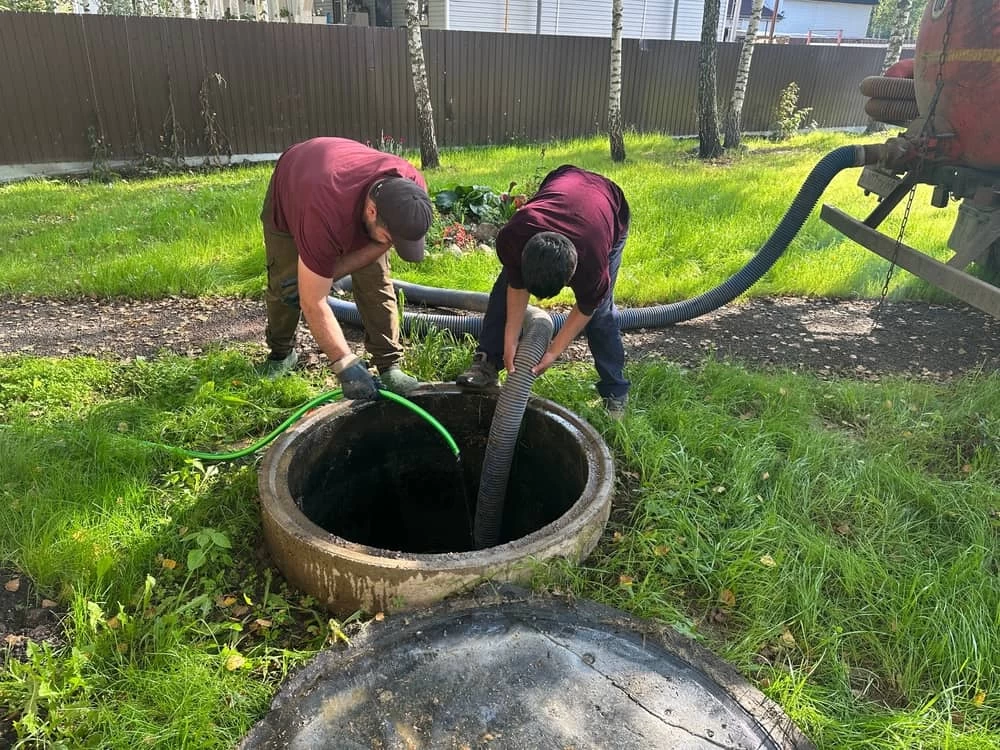
Storm drain cleaning requires specialized equipment and expertise that most homeowners don’t possess. High-pressure water jetting removes years of accumulated debris, grease, and root growth that standard drain cleaners can’t touch. This process restores full flow capacity to your drainage system before storm season tests its limits.
Preventive maintenance schedules make economic sense for Long Island homeowners. Annual inspection and cleaning cost significantly less than emergency repairs, while catching problems early prevents minor issues from becoming major expenses. The timing matters – late fall cleaning prepares your system for winter’s challenges.
Root removal requires professional equipment and knowledge of local pipe materials. Nassau and Suffolk County homes often have mature trees whose roots infiltrate sewer lines through small cracks and joints. Once inside, these roots grow rapidly, creating blockages that worsen during heavy rainfall. Mechanical cutting provides temporary relief, but long-term solutions often require pipe lining or replacement.
Drain system maintenance extends beyond just the main sewer line. Floor drains in basements and utility rooms collect debris that can cause backups during heavy rainfall. Kitchen drains accumulate grease and food particles that create blockages when stressed by increased water flow. Bathroom drains deal with hair, soap, and other materials that compound over time.
Professional assessment identifies which drains need attention and prioritizes work based on risk and cost. This approach ensures you’re investing maintenance dollars where they’ll have the most impact on preventing storm-related problems. The goal is a comprehensive approach that addresses your home’s specific vulnerabilities before weather tests your systems.
Protect Your Long Island Home Before the Next Storm
Storm season preparation isn’t optional for Long Island homeowners – it’s essential protection for your biggest investment. Professional sewer inspection and drain maintenance cost a fraction of emergency repairs, while providing peace of mind that your systems will work when you need them most.
The timing is critical. November storms and winter weather will test every drainage system in Nassau and Suffolk counties. Homes with properly maintained sewer lines and functioning sump pumps weather these challenges successfully, while unprepared properties face costly flooding and emergency repairs.
Don’t wait for the next heavy rainfall to discover your drainage system’s weaknesses. We’re here to provide comprehensive storm preparation that protects your home and your budget with nearly 40 years of experience serving Nassau and Suffolk County homeowners.
Need this done on Long Island? Long Island Sewer and Water Main handles drain cleaning across Nassau and Suffolk County. Call 631-407-2873 in Suffolk or 516-604-2651 in Nassau.