
Summary:
Your sewer line just failed. You’re picturing excavators tearing through your lawn, ripping up the driveway you just repaved, and destroying the garden you’ve spent years cultivating. Then comes the restoration bill that rivals the cost of the actual repair.
There’s a better way. Trenchless plumbing repair fixes broken sewer lines without the destruction, and it’s not just about convenience. These methods deliver stronger pipes, faster completion, and significant cost savings when you factor in what you’re not paying to restore your property. Here’s what every Nassau County homeowner needs to understand about sewer line repair without digging.
What Is Trenchless Plumbing Repair
Trenchless plumbing repair is exactly what it sounds like. Your damaged sewer line gets fixed without digging a trench across your property. Instead of excavating the entire length of pipe from your house to the street, we access the line through small entry points and repair or replace it from the inside.
This isn’t some experimental technology. These methods have been refined over decades and now represent the standard approach for properties where excavation would cause significant disruption or cost. The techniques work for most common sewer line problems, from root intrusion to cracked and corroded pipes.
The process preserves everything sitting above your sewer line. Your mature trees stay rooted. Your driveway remains intact. The landscaping you’ve invested in doesn’t become a construction zone. For Nassau County homeowners dealing with the area’s unique challenges like sandy soil and aggressive tree roots, this approach often makes more sense than traditional methods.
How Pipe Lining Creates a New Pipe Inside Your Old One
Pipe lining, also called CIPP or cured-in-place pipe repair, rehabilitates your existing sewer line by creating a new pipe within the damaged one. The process starts with a thorough camera inspection to identify exactly where the damage exists and confirm the pipe is structurally sound enough for lining.
We clean the pipe using high-pressure water to remove debris, roots, and buildup. This step matters because the new liner needs a clean surface to bond properly. Once cleaned, a flexible liner saturated with epoxy resin gets inserted through an existing access point like a cleanout or toilet drain.
The liner travels through the damaged pipe and gets inflated using air pressure or water, pressing it against the interior walls. As it inflates, it takes the shape of your existing pipe, covering cracks, holes, and damaged sections. Then comes the curing process, which hardens the resin using heat, steam, or UV light depending on the specific method.
Within hours, you have a seamless new pipe inside your old one. This new interior is jointless, which eliminates the weak points where roots typically invade. The smooth surface improves flow and resists future buildup. The liner is resistant to corrosion and root penetration, addressing the original causes of failure.
The entire process typically completes in one day. Your property remains undisturbed except for the small access points. There’s no restoration work needed afterward because nothing got torn up in the first place. The new pipe can last 50 years or more, often outlasting the original pipe’s lifespan.
Pipe lining works best when your existing pipe still has structural integrity but suffers from cracks, leaks, or root intrusion. It’s ideal for situations where the pipe’s alignment and grade are correct. For Nassau County properties with mature landscaping or pipes running under driveways, this method preserves your investment while solving the underlying problem.
Pipe Bursting Replaces Your Entire Line Without Trenching
Pipe bursting takes a different approach when your sewer line is too damaged for lining. Instead of rehabilitating the existing pipe, this method replaces it entirely while still avoiding traditional excavation. The process requires two access pits at the beginning and end of the damaged section, typically 4×4 feet or smaller.
A specialized bursting head gets inserted into the old pipe. This cone-shaped tool is attached to a new pipe, usually made from high-density polyethylene or HDPE. As hydraulic or pneumatic equipment pulls the bursting head through the old line, it fractures the existing pipe and pushes the fragments outward into the surrounding soil.
The new pipe follows directly behind the bursting head, filling the space left by the old pipe. This happens in one continuous process. The old pipe gets destroyed and replaced simultaneously, which is why the method works even when the original pipe is severely deteriorated or partially collapsed.
Pipe bursting can actually increase your pipe’s diameter if needed. This capability proves valuable for older Nassau County homes where original pipes may be undersized for current usage or where increased capacity could prevent future backups. The method also excels in Long Island’s challenging soil conditions, including areas with high clay content that cause pipes to shift over time.
The new HDPE pipe is designed to handle ground movement better than traditional materials. It’s flexible yet strong, resistant to root intrusion, and won’t corrode like cast iron or deteriorate like clay. The seamless construction eliminates joints where roots typically find entry points or where sections separate due to ground shifting.
Completion time runs slightly longer than pipe lining, usually one to two days depending on the length of pipe being replaced. You’ll have small excavation areas at each end, but the majority of your property stays untouched. Once the new pipe is in place and connected, those access pits get backfilled and the surface restored.
The upfront cost typically runs higher than pipe lining because you’re installing a completely new pipe system. However, the long-term value often justifies the investment. You’re essentially future-proofing your property’s sewer infrastructure for decades, with modern materials and installation techniques that address the specific challenges causing problems in Long Island’s environment.
Sewer Line Repair Without Digging vs Traditional Methods
Traditional sewer line repair requires excavating a trench along the entire length of damaged pipe. Crews dig from your house to the street, remove the old pipe, install new sections, backfill the trench, and then you’re left with restoration work. The digging alone takes days, and that’s before addressing what got destroyed in the process.
Sewer line repair without digging flips this approach. The work happens underground through existing access points or small entry pits. Your property stays largely intact. The timeline shrinks from weeks to days. The total cost often drops significantly when you account for what you’re not paying to restore.
The difference becomes obvious when you compare real scenarios. A traditional repair under your lawn means tearing up sod, potentially removing trees, and disrupting irrigation systems. Under your driveway, it means breaking concrete or asphalt and repaving afterward. Through your landscaped yard, it means rebuilding garden beds and replacing mature plantings that took years to establish.
When No Dig Pipe Repair Makes the Most Sense
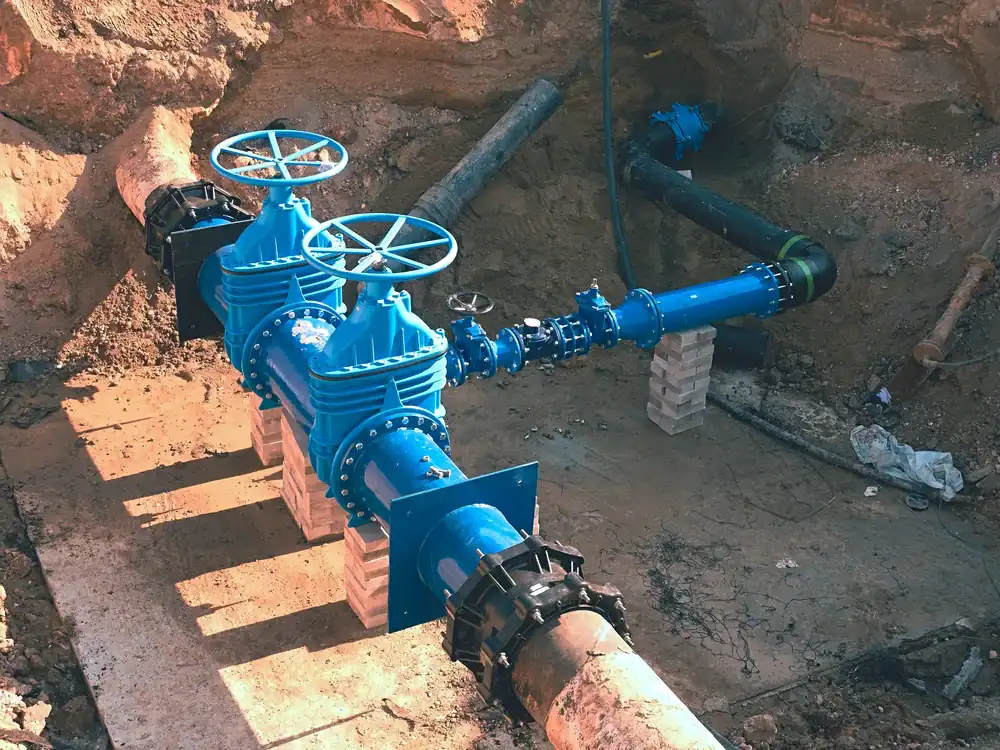
No dig pipe repair excels in situations where excavation would cause disproportionate damage or cost. If your sewer line runs under mature trees, an expensive driveway, or carefully landscaped areas, trenchless methods preserve these investments while still solving your pipe problem.
The approach works particularly well during Long Island winters. When temperatures drop and the ground freezes solid, traditional excavation becomes exponentially more expensive and time-consuming. Frost lines in Nassau County reach three feet or deeper, turning soil into concrete-hard ground that requires specialized equipment to penetrate. Trenchless methods bypass these challenges entirely since the work happens primarily underground through existing access points.
Properties with limited access also benefit. If your sewer line runs under a deck, patio, or between buildings where excavation equipment can’t reach, trenchless repair often provides the only viable solution short of demolishing structures. The small access points required for pipe lining or bursting can usually be created even in tight spaces.
Time-sensitive situations favor trenchless approaches. If you’re facing a sewer emergency and can’t afford weeks of disruption, completing repairs in one to two days makes a significant difference. Businesses that can’t shut down for extended periods, or homeowners who need their plumbing functional quickly, find this timeline advantage crucial.
The method also makes sense when you’re dealing with root intrusion issues common throughout Nassau County. Those oak and maple trees lining streets in neighborhoods like Garden City and Westbury create beautiful shade, but their roots aggressively seek water sources. New trenchless pipes with seamless, jointless construction resist future root penetration better than traditional sectional pipes with joints where roots typically invade.
Cost becomes a factor when you calculate the full expense. Traditional excavation might show a lower initial quote, but that number doesn’t include restoration. You’ll pay separately to replace sod, repave driveways, rebuild landscaping, repair sprinkler systems, and restore anything else damaged during excavation. These restoration costs frequently exceed the original pipe repair costs. Trenchless repair eliminates most of these additional expenses, often resulting in 30-50% total savings.
Situations Where Traditional Excavation Remains Necessary
Trenchless methods have limitations. If your sewer line has completely collapsed, there’s no structure left to line or burst through. The pipe needs to be dug up and replaced using traditional methods. Similarly, severely misaligned pipes or sections that have bellied, creating low spots where waste collects, can’t be corrected with trenchless techniques since these methods don’t change the pipe’s grade or alignment.
Pipes that have shifted significantly due to ground movement may require excavation to properly realign and stabilize. If the problem stems from improper installation or if the pipe needs to be relocated entirely, traditional methods provide the access necessary to make these changes. Trenchless repair works within the existing pipe’s pathway and can’t correct fundamental installation issues.
Certain soil conditions can also limit trenchless options. Expansive soils that swell and contract significantly, or situations where nearby utility lines create complications for pipe bursting, may necessitate traditional excavation. The presence of other underground infrastructure sometimes means controlled excavation provides a safer approach than methods that displace soil or break apart existing pipes.
Age and material matter too. Extremely old pipes made from certain materials, or pipes that have deteriorated to the point where they’re essentially disintegrating, may lack the structural integrity needed even for pipe bursting. A thorough camera inspection reveals whether the existing pipe can support trenchless methods or if excavation is required.
The key is getting an honest assessment before committing to an approach. We evaluate your specific situation and recommend the method that actually solves your problem rather than forcing a preferred technique into an unsuitable application. Sometimes that means traditional excavation, even though trenchless methods work for the majority of common sewer line issues.
For Nassau County homeowners, this typically comes down to the pipe’s condition and what’s causing the failure. Root intrusion, cracks, leaks, and corrosion usually qualify for trenchless repair. Complete collapses, major misalignment, or situations requiring grade changes typically need excavation. The camera inspection reveals which category your situation falls into.
Choosing the Right Approach for Your Nassau County Property
Your sewer line problem deserves a solution that actually fits your situation, not a one-size-fits-all approach. The right method depends on your pipe’s condition, what’s sitting above it, your timeline, and your budget when you account for total costs including restoration.
Start with a thorough camera inspection. This reveals exactly what’s happening inside your pipe and whether trenchless methods will work for your specific damage. You’ll see where roots have invaded, where cracks exist, and whether the pipe maintains enough structural integrity for lining or bursting.
Consider what excavation would destroy. If your sewer line runs under mature landscaping you’ve spent years developing, or through a newly paved driveway, or beneath structures that would need to be removed and rebuilt, trenchless repair often makes financial sense even with a higher upfront cost. The restoration expenses you avoid typically offset any premium for no-dig methods.
We’ve spent nearly 40 years helping Nassau and Suffolk County property owners navigate these decisions. We understand the unique challenges Long Island properties face, from sandy shifting soil to aggressive tree roots to winter freeze-thaw cycles that stress aging pipes. That local expertise matters when you’re making a significant investment in your property’s infrastructure.