

Summary:
Your drains are slowing down. Again. You’ve snaked the line twice this year, and now you’re wondering if there’s a better way to handle this.
There is. But before you call someone out, you need to understand what you’re actually paying for. Traditional sewer cleaning methods like snaking have been around for decades. Hydro jetting is newer, more powerful, and often more expensive upfront. The question isn’t which costs less today. It’s which one actually fixes the problem and keeps it fixed.
Here’s what you need to know about both methods, how they compare, and which makes sense for your situation.
Professional Sewer Cleaning: Advanced Hydro Jetting Solutions
Hydro jetting uses high-pressure water to scour your pipes clean from the inside out. A specialized nozzle gets inserted into your sewer line and blasts water at pressures between 1,500 and 4,000 PSI. That’s enough force to cut through grease buildup, break apart tree roots, and flush years of accumulated debris down the line.
The process starts with a camera inspection. We need to see what’s happening inside the pipe before turning on equipment powerful enough to damage weakened or corroded pipes. Once we confirm the line can handle the pressure, we insert the jetting hose through a cleanout access point. In cases where the existing line is beyond repair, a full sewer line installation may be necessary.
The nozzle shoots water forward and backward simultaneously. Forward jets break up blockages while backward jets propel the hose through the pipe and flush everything toward the main sewer. The entire circumference of the pipe gets cleaned, not just a hole punched through the middle.
When Hydro Jetting Makes Sense for Your Property
Hydro jetting isn’t always necessary, but certain situations call for this level of cleaning power. If you’re dealing with recurring clogs that keep coming back every few months, traditional methods are only treating symptoms. Hydro jetting addresses the underlying cause by removing the buildup that snaking leaves behind.
Tree root intrusion is where this method really shines. On Long Island, mature trees send roots 20 to 30 feet searching for water sources. Your sewer line is like a beacon. Once roots find their way in through joints or cracks, they expand and fill the pipe. A single root can fill over 60% of the pipe’s diameter in just a few years. Snaking might punch through temporarily, but hydro jetting cuts roots flush with the pipe wall and clears the debris.
Commercial properties and restaurants benefit most from regular hydro jetting. Grease, soap scum, and heavy usage create stubborn buildup that accumulates on pipe walls over time. These establishments can’t afford repeated service calls or the health code violations that come with backed-up drains. Hydro jetting provides thorough cleaning that prevents problems instead of reacting to them.
Older homes in Nassau County, NY with cast iron or clay pipes often have decades of scale deposits narrowing the pipe diameter. You might not have a complete blockage yet, but flow is restricted. Hydro jetting restores pipes to near-original capacity, which can feel like having new plumbing without the cost of replacement. Just make sure we inspect the pipe condition first, since very old or damaged pipes might not withstand the pressure.
The Real Cost of Hydro Jetting in Nassau County
Hydro jetting typically costs between $350 and $600 for most residential jobs in Nassau County, NY, with severe clogs reaching up to $1,200. That’s significantly more than basic snaking, which usually runs $100 to $275. The price difference stops some homeowners from choosing this method, but the upfront cost doesn’t tell the whole story.
The value comes from longevity. Hydro jetting removes grease, scale deposits, tree roots, and accumulated debris that snaking leaves behind. When pipes are thoroughly cleaned down to the walls, clogs don’t return for an average of two to three years. Compare that to snaking, which might need repeating every few months for the same recurring problem. Three or four snaking calls quickly surpass the cost of one hydro jetting service.
Time matters too. Most hydro jetting jobs take one to two hours, including the camera inspection. You’re looking at a single service call that handles diagnosis, cleaning, and verification. Traditional methods might require multiple attempts, especially when the clog keeps returning or when we can’t reach the actual problem area.
The camera inspection that comes with most hydro jetting services adds value beyond the cleaning itself. You get to see exactly what’s happening inside your pipes. If there are cracks, root intrusion points, or sections that need repair, you’ll know before a small problem becomes an emergency. That diagnostic information helps you plan and budget for future needs instead of getting blindsided by a collapsed pipe.
Nassau County properties face unique challenges that affect cost. The high water table in coastal areas means groundwater can infiltrate damaged sewer lines, making problems worse. Sandy soil allows tree roots to spread extensively. Older homes have pipes that were installed 50, 70, even 100 years ago. These factors don’t change the base price of hydro jetting, but they do increase the likelihood that you’ll need it instead of simpler methods.
Sewer Drain Cleaning: Traditional Methods and Limitations
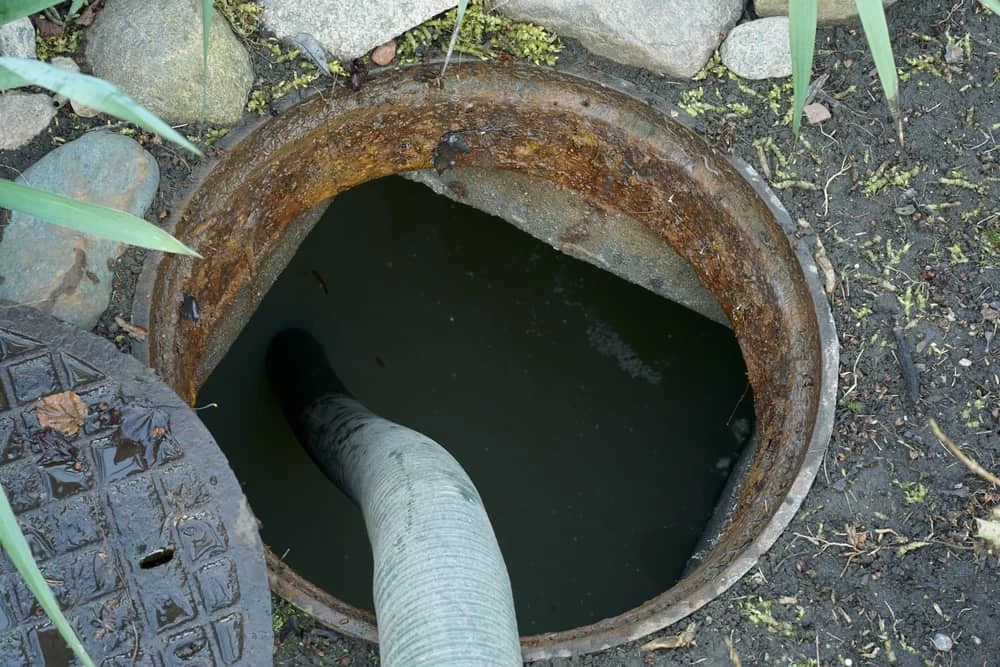
Traditional sewer drain cleaning relies on mechanical tools to break through clogs. The most common method is drain snaking, also called augering or rodding. A flexible metal cable with a corkscrew-shaped head gets fed into your drain until it reaches the blockage. The operator rotates the cable, and the auger head either breaks apart the clog or hooks it so it can be pulled out.
This approach works well for localized clogs caused by hair, toilet paper, or small objects lodged in the line. It’s fast, relatively inexpensive, and doesn’t require the same level of equipment investment as hydro jetting. For simple blockages close to drain openings, snaking often solves the problem in 30 minutes to an hour.
The limitation is what snaking doesn’t do. It punches a hole through the blockage to restore flow, but it doesn’t clean the pipe walls. Grease, soap scum, and mineral deposits stay attached to the interior surface. Tree roots get partially cleared but not removed flush with the pipe. That remaining buildup becomes the foundation for the next clog.
When Traditional Sewer Line Cleaning Is Enough
Not every clog requires hydro jetting. Traditional sewer line cleaning methods make perfect sense in specific situations, and choosing the simpler option saves you money when it’s appropriate.
First-time clogs in newer plumbing systems rarely need aggressive cleaning. If your home was built within the last 20 years and you’re experiencing your first backup, a simple snake usually handles it. The pipes haven’t had time to accumulate significant buildup, and the clog is likely an isolated incident caused by something flushed or washed down the drain.
Accessible clogs near drain openings respond well to snaking. If the problem is in your bathroom sink’s P-trap or a few feet down the line, you don’t need high-pressure water blasting through the entire system. A handheld or small motorized snake reaches these areas quickly and clears the blockage without the expense of more advanced methods.
Budget constraints sometimes make the decision for you. If you’re dealing with an emergency backup and need immediate relief, traditional snaking provides a temporary solution while you save for more comprehensive cleaning. Just understand that you’re buying time, not a permanent fix. The clog will likely return if underlying buildup remains in the pipes.
Older pipes in questionable condition might not be candidates for hydro jetting. Cast iron pipes from the 1970s or earlier can be corroded and brittle. Clay pipes common in pre-1950s construction are strong against chemicals but crack under pressure. If a camera inspection reveals significant deterioration, snaking might be the safer choice until you can replace the damaged sections. Hydro jetting could crack weakened pipes and turn a clog into a much more expensive emergency.
Properties on septic systems need to consider what happens to the material cleared from the line. Hydro jetting flushes everything into your septic tank, which might not be ideal if the tank is already full or if you’re clearing a large volume of roots and debris. Traditional snaking allows you to remove some material mechanically instead of sending it all downstream.
Why Traditional Methods Fall Short for Clogged Sewer Line Problems
The pattern is familiar to anyone who’s dealt with a chronic clogged sewer line. You call a plumber, they snake the line, water flows again. Three months later, you’re calling again. Six months after that, same problem. Each time costs $100 to $275, and each time you’re told it’s cleared. Technically, they’re right. The immediate blockage is gone. But the underlying problem never gets addressed.
Traditional snaking only clears a channel through the clog. Imagine trying to clean a dirty pipe by poking a stick through it. You might create a path for water to flow, but the walls are still coated with grease, soap scum, and mineral deposits. That coating gets thicker with every shower, every load of laundry, every time you wash dishes. Eventually, the opening narrows enough that another clog forms. You’re not dealing with new problems. You’re dealing with the same problem that never got fully resolved.
Tree roots are particularly problematic with traditional methods. Snaking can break through roots and restore flow temporarily, but it doesn’t remove them. Roots continue growing, and they grow back faster than you’d expect because the cutting action can actually stimulate growth. Within months, you’re back where you started. Some homeowners end up snaking their lines three or four times a year just to maintain basic function. That’s not a solution. That’s a subscription service for temporary relief.
Grease buildup in kitchen drains creates a similar cycle. Snaking might break through a grease clog, but the grease coating the pipe walls remains. That coating is sticky. It catches food particles, soap, and other debris flowing through the line. The new clog forms faster than the original one did because you’re building on an existing foundation of buildup.
Long Island properties face additional challenges that make traditional methods even less effective long-term. The high water table in coastal areas means groundwater can seep into sewer lines through joints and cracks. That water carries silt and sediment that settles in low spots and contributes to blockages. Snaking doesn’t address sediment accumulation. The sandy soil common on the South Shore allows tree roots to spread extensively, increasing the likelihood of root intrusion at multiple points along your sewer line. Clearing one section doesn’t prevent roots from entering elsewhere.
The real cost of repeated traditional cleaning goes beyond the service calls. Every time your sewer backs up, you risk water damage to your property. Sewage backing into your basement or first-floor drains creates health hazards and cleanup costs. Stress and inconvenience matter too. Planning your life around recurring plumbing problems and hoping you don’t have guests over when the toilet backs up takes a toll.
Choosing the Right Sewer Cleaning Method for Your Situation
The choice between hydro jetting and traditional sewer cleaning isn’t about which method is universally better. It’s about which method solves your specific problem. If you’re dealing with your first clog in a newer home, snaking probably handles it. If you’re calling a plumber every few months for the same recurring backup, you need the thorough cleaning that only hydro jetting provides.
Consider the pattern. One-time clogs are incidents. Recurring clogs are symptoms of a larger issue that won’t resolve without addressing the buildup, roots, or damage causing them. The upfront cost of hydro jetting pays for itself when it eliminates the cycle of repeated service calls and gives you years of trouble-free operation instead of months.
For Nassau County, NY properties dealing with Long Island’s unique challenges—high water tables, mature trees, aging infrastructure, and coastal soil conditions—comprehensive cleaning often makes more sense than temporary fixes. We specialize in these exact situations, with nearly 40 years of experience serving homeowners and businesses across Nassau and Suffolk counties. We use advanced diagnostic tools and trenchless technologies to solve problems thoroughly while minimizing disruption to your property.