
Summary:
What Makes Commercial Pipe Lining Different from Traditional Methods
Commercial pipe lining, or cured-in-place pipe (CIPP) lining, is a trenchless rehabilitation technique used to repair and restore damaged or aging pipes without requiring extensive excavation. It involves creating a new, seamless pipe within the existing one, effectively addressing issues like leaks, corrosion, and structural defects. Learn more about comprehensive solutions through commercial sewer and water line services on Long Island.
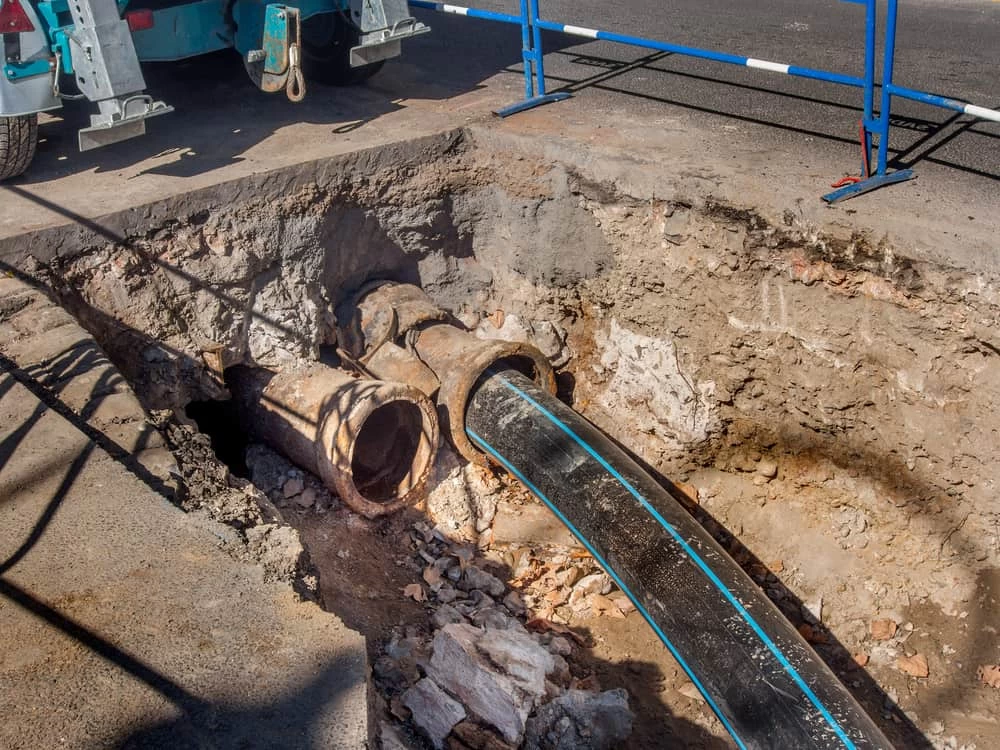
Traditional repair methods that require extensive excavation and system shutdowns can be devastating to commercial operations. The old approach means digging up floors, sidewalks, and landscaping while your business sits idle. When doing repairs for commercial sewer and water pipes, the act of trenching can be extremely disruptive to business operations, blocking off sidewalks, driveways, or signage.
Commercial pipe lining takes a completely different approach. The core principle revolves around trenchless technology that allows rehabilitation of existing pipes with minimal disruption. This approach is particularly crucial for commercial facilities where less downtime for your Nassau County business means significant cost savings.
How the CIPP Process Works for Business Properties
The process begins with thoroughly inspecting the pipes using advanced technology such as cameras and sensors. This inspection helps identify the extent of damage, areas of concern, and the suitability of pipe lining as a rehabilitation method. Your business operations continue normally during this diagnostic phase.
Before lining the pipes, they must be cleaned and prepared to ensure proper adhesion of the lining material. This typically involves removing debris, scale buildup, and any barriers that could affect the lining process. The cleaning process uses high-pressure water systems that work through existing access points.
The process of CIPP involves inserting and running a felt lining into a preexisting pipe that is the subject of repair. Resin within the liner is then exposed to a curing element to harden it and make it attach to the inner walls of the pipe. Once fully cured, the lining now acts as a new pipeline.
Once the liner is cured, lateral lines connecting to the newly lined pipe will be reinstated utilizing a robotic cutter. This robotic cutter employs specialized cutting heads and a camera to ensure precise cutting, allowing for the entire flow of the pipe. Your building’s plumbing connections are restored to full functionality.
The entire process typically requires access through manholes or cleanouts that already exist in your system. Using access points, such as cleanouts and manholes, that already exist in the plumbing system, the CIPP lining process doesn’t require excavation or major destruction to the property. This means your parking areas, customer entrances, and business operations remain largely unaffected.
Timeline and Scheduling for Minimal Business Impact
Most commercial pipe lining jobs are completed in under 24 hours, with most pipe lining jobs completed in just one day, minimizing disruption to your home or business. Compare this to traditional excavation projects that can stretch for weeks or even months.
Successful zero-downtime pipe lining requires meticulous scheduling strategies tailored to each business’s unique operational patterns. This makes scheduling around peak commuter hours, inclement weather, or seasonal changes much easier. Several timing considerations prove essential: Off-Peak Scheduling: Many commercial facilities, especially retail centers or schools, have slower periods during the year.
After-Hours Operations: Pipe lining can be scheduled at night, after store closings, allowing businesses to maintain normal daytime operations. This flexibility means you can choose timing that works with your business calendar rather than being forced into emergency shutdowns.
Coordinated Maintenance Windows: If your commercial facility has scheduled maintenance windows, coordinating pipe lining installation with other maintenance work can further reduce downtime. Smart facility managers often bundle these services during planned closure periods.
A commercial project to line 100 feet of sewer pipe in a busy urban area was completed in 4 days, with minimal disruption to the business operations. The process included 1 day for preparation, 2 days for lining, and 1 day for curing the liner. Even complex projects maintain predictable schedules that allow for proper business planning.
The True Cost of Downtime vs. Commercial Pipe Lining ROI
For Nassau County businesses, operational continuity is paramount to success. Every minute of downtime translates to lost revenue, disrupted services, and frustrated customers. The real question isn’t whether you can afford commercial pipe lining—it’s whether you can afford not to choose it.
The traffic delay costs for a renewal project for buried pipe in a high traffic volume area over a 55 day period was about 80 times the direct cost when open trench construction was used. The same was 10 times the direct cost when pipe bursting trenchless repair method was used. These numbers reveal the hidden costs of traditional methods that most businesses never calculate.
CIPP renewal costs 57% less than excavation for small pipes, 63% less for medium pipes, and 18% less for large applications. These savings create competitive pricing opportunities and higher profit margins.
Hidden Costs of Traditional Excavation Methods
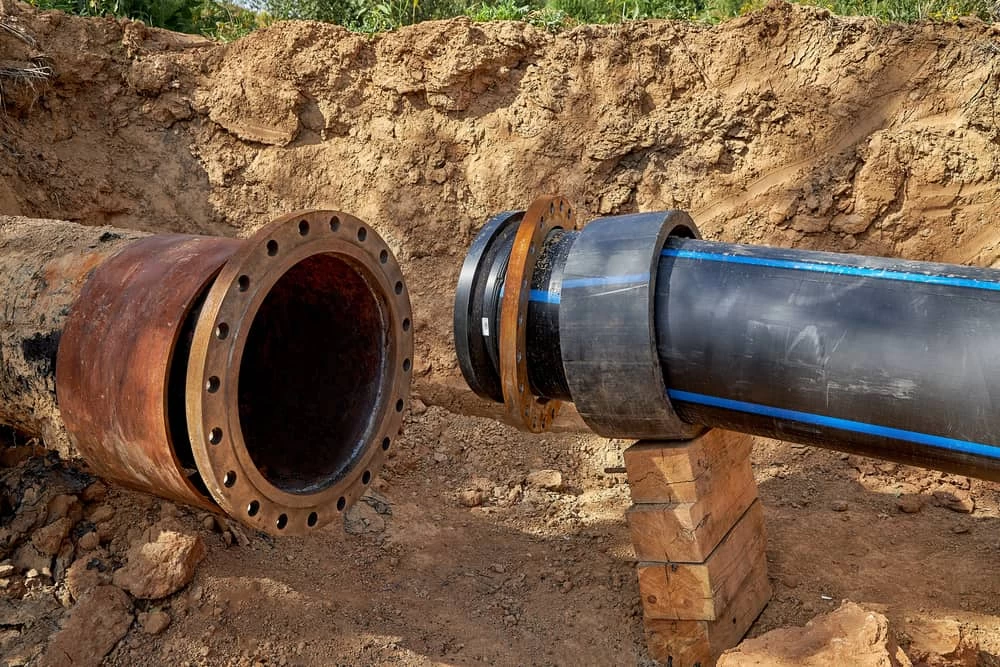
The traditional excavation method may have a lower upfront cost, but it can come with additional costs that may not be initially apparent. These can include repairing any damage to landscaping or hardscaping, as well as potential delays and disruptions to daily life. Because traditional excavation involves digging up the entire sewer line, there is a higher risk of damaging other utility lines or structures, which can result in even more expenses.
Even if the price estimate does cover the cost of digging up underground pipes, it almost certainly won’t include the cost of replacing landscaping after the fact. To repair their yard, homeowners often need to hire a professional landscaper to get things back to the way they were, which could cost thousands of dollars. For commercial properties, restoration costs multiply when you factor in parking lots, sidewalks, and business signage.
Shutting down businesses to replace pipes can have a significant impact on revenue, operations, and customer satisfaction. Lost sales during closure periods often exceed the actual repair costs. Customer inconvenience can damage relationships that took years to build.
About 70% of the cost associated with open cut replacement is taken up by excavation and replacement of the dug up ground. You’re essentially paying twice—once to dig everything up, and again to put it all back together.
Even with tight estimates, your ROI swings on how each method handles subsurface uncertainty and commercial fallout. Trenchless reduces exposure by limiting excavation volume and interfaces; fewer utility crossings translate into lower subsurface liabilities per linear foot. Traditional excavation projects frequently encounter unexpected complications that trigger change orders and extended timelines.
Long-Term Performance and Maintenance Savings
With decades of field performance data, CIPP demonstrates consistent 50+ year service life across various applications and environments. This isn’t theoretical—it’s proven performance in real-world commercial applications.
The thin epoxy liner installed to the interior of the pipe seals and protects the sewer system from further deterioration, dramatically extending the life of the piping system. The lined pipe is so tough that it can prevent infiltration by tree roots and provides a steadier and smoother flow of water.
The new pipe created by the CIPP lining process is highly resistant to corrosion, root intrusion, and other common pipe problems. It has a lifespan of up to 50 years, providing a long-term solution to your plumbing issues. This means decades without emergency repairs or business disruptions.
Once construction ends, lifecycle performance dictates ROI more than the bid price. With trenchless, you typically gain tighter grade control, fewer joints, and reduced surface load impacts, which lowers infiltration, exfiltration, and settlement risk. You also preserve pavement integrity, cutting future restoration CAPEX.
Over time, pipes can accumulate debris, scale, and other build-ups that restrict water flow and affect water quality. Structural pipe lining creates a smooth, seamless surface inside the pipe, improving water flow and preventing future build-up. This can enhance the plumbing system’s efficiency and ensure better water quality for the property’s occupants. Better flow characteristics mean lower operating costs and fewer maintenance calls.
Epoxy pipe lining has a life expectancy of 30–50 years. Pipe bursting has a life expectancy of 100+ years. Compare this to traditional repairs that often require attention within 10-15 years, and the economic advantage becomes clear.
Choosing the Right Commercial Pipe Lining Partner in Nassau County
Selecting a qualified and experienced contractor is crucial for the success of a structural pipe lining project. When Nassau County business owners need the services of a commercial pipe lining contractor, Long Island Sewer and Water Main is the first company they call. With years of experience and dozens of satisfied clients, we have successfully protected the infrastructure of countless businesses throughout Nassau County.
For nearly 40 years, our team at Long Island Sewer and Water Main has been repairing and maintaining the sewer systems of Suffolk County and Nassau County as well as the five boroughs. This experience translates into predictable project timelines and reliable results that keep your business running smoothly.
We understand Nassau County’s unique infrastructure challenges and regulatory requirements. We’ll work around your business schedule, not force you to accommodate ours. When you’re ready to protect your commercial property with proven pipe lining technology, Long Island Sewer and Water Main delivers the expertise and reliability that Nassau County businesses trust.
Need this done on Long Island? Long Island Sewer and Water Main handles pipe lining across Nassau and Suffolk County. Call 631-407-2873 in Suffolk or 516-604-2651 in Nassau.