
Summary:
You’re not imagining it—winter on Long Island hits differently than it does inland. The combination of coastal winds, temperature swings, and those brutal cold snaps creates the perfect storm for frozen pipes. And if you’ve ever dealt with a burst pipe in January, you know exactly how fast a minor freeze can turn into a major disaster.
The good news? Most frozen pipe situations are preventable. You don’t need expensive equipment or professional help for every step—just the right knowledge applied at the right time. This guide walks you through exactly what works for Nassau County homes, from the crawl space to your outdoor faucets, so you can stop worrying every time the forecast drops below freezing.
Understanding When Pipes Freeze in Nassau County
The magic number everyone talks about is 32 degrees—the freezing point of water. But your pipes don’t automatically freeze the second the thermometer hits that mark. What actually matters is how long temperatures stay low, where your pipes are located, and how well they’re protected.
Research from the Building Research Council at the University of Illinois found that 20 degrees Fahrenheit is the real threshold where uninsulated pipes start having problems. Once you hit that temperature, especially if it stays there for several hours, you’re in the danger zone. And here’s the thing about Nassau County—you get those sudden drops overnight that catch people off guard.
The coastal wind makes it worse. Cold air doesn’t just sit there; it actively pushes into every crack and gap around your home. That wind chill effect means your pipes can freeze even when the ambient temperature seems manageable.
How Long Before Pipes Actually Freeze
You’ve got more time than you think, but less than you’d hope. Under the worst conditions—temperatures well below 20 degrees with sustained exposure—water can start forming ice crystals in your pipes within six hours. More commonly, you’re looking at one to three days of subfreezing temperatures before serious problems develop.
But here’s what most people don’t realize about how pipes actually burst. It’s not the ice expanding against the pipe wall that causes the break. When water freezes in a section of pipe, it creates a blockage. As more water freezes behind that blockage, pressure builds up between the ice and the next closed valve or faucet downstream. That pressure—sometimes reaching thousands of pounds per square inch—is what causes the pipe to fail. And it usually doesn’t burst where the ice formed. It bursts at the weakest point downstream.
This is why you might not discover the problem until temperatures rise and the ice melts. The pipe cracked days ago during the freeze, but you won’t see water until everything thaws. By then, you could have water pouring into walls, ceilings, or your crawl space.
The pipes most at risk are the ones you probably don’t think about daily. Outdoor hose bibs, sure—but also the water lines running through your attic, along exterior walls, in the garage, or under kitchen and bathroom cabinets. If a pipe is in an unheated space or near an outside wall with minimal insulation, it’s vulnerable. And in Nassau County, where homes were built across different eras with varying construction standards, plenty of properties have pipes in less-than-ideal locations.
Long Island's Unique Winter Challenges
Living near the coast creates problems you won’t read about in generic plumbing guides. Salt air doesn’t just corrode your outdoor furniture—it attacks your pipes too. Those chloride ions carried by ocean breezes settle on exposed plumbing and break down the protective layers that normally form on copper, steel, and galvanized iron. Once that protection is compromised, corrosion spreads fast, often going unnoticed inside walls or crawl spaces until significant damage occurs.
The humidity makes everything worse. Coastal areas naturally maintain higher moisture levels, and when salt combines with that moisture, it creates an electrolyte solution that accelerates corrosion. Your pipes stay damp longer than they would inland, especially in unconditioned spaces like attics, crawl spaces, and exterior wall cavities. That constant dampness means pipes reach freezing temperatures faster when cold weather arrives.
Then there’s the freeze-thaw cycle. Nassau County doesn’t stay frozen solid all winter like northern climates. You get these swings—below freezing at night, warmer during the day, then freezing again. Each cycle weakens materials a little more. Water seeps into tiny cracks, freezes and expands, then thaws and seeps deeper. Over time, this process creates the conditions for catastrophic failure.
And if you need repairs during a deep freeze? The frost line in Nassau County reaches more than three feet deep when temperatures stay low. That ground turns into something resembling concrete. Traditional excavation during winter can cost 200 to 300 percent more than the same work in moderate weather, and that’s if contractors are even willing to tackle it. You’re looking at specialized equipment, longer timelines, and significant expense—all of which makes prevention infinitely more valuable than cure.
Protecting Outdoor Pipes from Freezing
Your outdoor plumbing takes the hardest hit because it’s directly exposed to whatever winter throws at it. Hose bibs, irrigation lines, pool supply pipes—these are the first casualties when temperatures drop. The good news is that protecting them doesn’t require special skills or expensive equipment.
Start with your garden hoses. Every single one needs to be disconnected, drained completely, and stored indoors before the first hard freeze. Water trapped in a hose can freeze, expand back into the supply line that feeds your outdoor faucet, and cause a burst inside your home’s wall. It happens more often than you’d think, and the damage is usually significant by the time you discover it.
Next, locate the shut-off valve that supplies each outdoor faucet. These valves are typically a few feet inside your home—often in the basement or crawl space, behind where the outdoor faucet sits on the exterior wall. Close that valve, then open the outdoor faucet to drain any water remaining in the line. Leave the outdoor faucet open all winter. If any residual water does freeze in that short section of pipe, the open faucet gives it somewhere to expand without building up pressure that could crack the pipe.
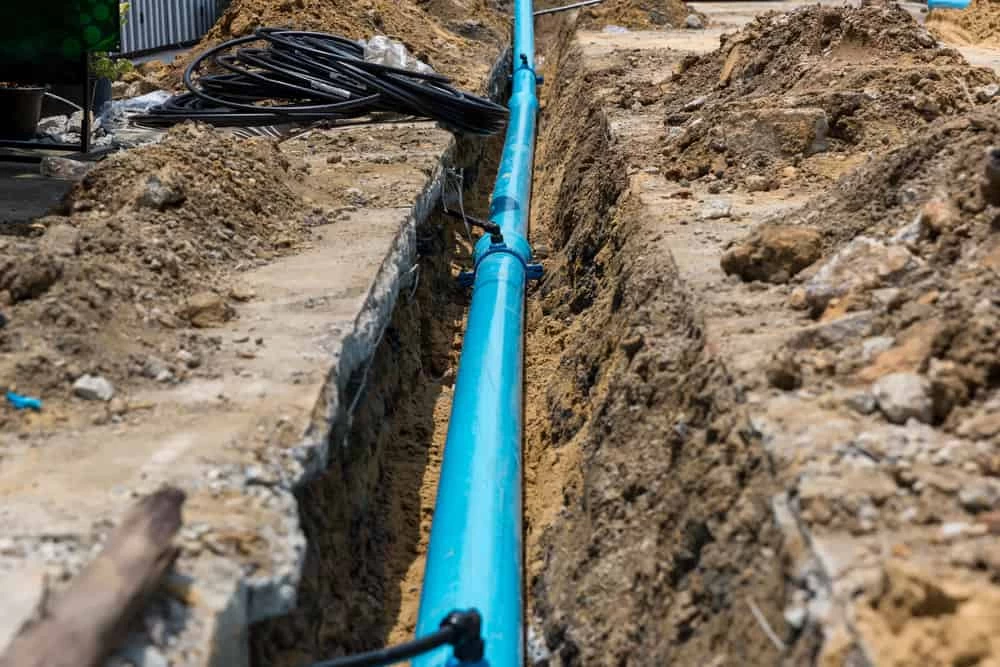
Keep Outside Pipes from Freezing with Proper Insulation
Insulation is your first line of defense, and it’s cheap insurance against expensive problems. Foam pipe sleeves cost a few dollars and slide right over exposed pipes. You want ones that fit snugly—measure your pipe diameter before you buy. For outdoor applications or pipes in particularly cold areas, consider double-wrapping or using sleeves specifically rated for freeze protection.
Heat tape is another option, especially for pipes that are difficult to insulate or in areas where temperatures regularly drop into the teens. This is essentially an electric heating cable that wraps around the pipe and plugs into a power source. Some versions turn on automatically when temperatures drop below a certain threshold. Just make sure you’re using UL-listed products and following installation instructions exactly—improper installation can create fire hazards.
Don’t forget about the faucet itself. Insulated foam covers designed specifically for outdoor spigots provide an extra layer of protection. They’re not expensive, they’re reusable, and they take about thirty seconds to install. For the minimal cost and effort involved, there’s no reason not to use them.
If you have frost-free hose bibs—common in newer homes—you’ve got a built-in advantage. These are designed with the shut-off valve located further inside the house where it stays warmer, and they’re angled downward so water drains out automatically when you turn them off. But even frost-free bibs benefit from having hoses disconnected and outdoor faucet covers installed during extreme cold.
The pipes running along exterior walls inside your home need attention too. If you can access them—say, in an unfinished basement or crawl space—wrap them with foam insulation. Pay special attention to any gaps where pipes penetrate exterior walls. Those gaps let cold air flow directly onto your pipes. Seal them with expanding foam insulation designed for this purpose. Even a quarter-inch gap can let in enough cold air to cause freezing.
Emergency Measures During Extreme Cold
When the forecast shows sustained temperatures in the teens or below, basic insulation might not be enough. That’s when you need to take additional steps to keep water moving and reduce pressure buildup.
The dripping faucet technique actually works, despite what it costs in water. You don’t need a stream—just a trickle, about the width of a pencil lead. Moving water is much harder to freeze than standing water, and more importantly, an open faucet relieves pressure in the line. Even if ice does form, that open faucet gives the expanding water somewhere to go instead of building up pressure that cracks the pipe.
Choose faucets strategically. You want ones connected to pipes that run along exterior walls or through unheated spaces. If you’ve got both hot and cold lines at risk, let both drip slightly. The small increase in your water bill is nothing compared to the cost of repairing a burst pipe and the resulting water damage.
Open the cabinet doors under sinks that sit on exterior walls. This seems too simple to matter, but it does. The warm air from your heated living space can’t reach those pipes when cabinet doors are closed. Opening them allows circulation and can keep the temperature around those pipes several degrees higher. Just remember to move any cleaning products or chemicals out of reach if you have small children.
Keep your garage door closed if you have water supply lines running through the garage. Garages are typically unheated, and an open door exposes those pipes to direct cold air and wind. The same principle applies to crawl space vents—close them during cold snaps to prevent frigid air from flowing directly past your pipes.
Staying Ahead of Winter Pipe Problems
Frozen pipes aren’t inevitable, even during the worst Nassau County winter can deliver. The key is taking action before temperatures drop, not scrambling when you turn on a faucet and nothing comes out. Disconnect those hoses, insulate vulnerable pipes, know where your shut-off valves are, and don’t hesitate to let faucets drip when the forecast turns brutal.
But even with the best prevention, things can still go wrong. Pipes that were fine for years can fail during an unusually harsh cold snap. Older homes with pipes in less-than-ideal locations are especially vulnerable. And when prevention fails, you need professional help fast—before a frozen pipe becomes a burst pipe, and before a burst pipe becomes thousands of dollars in water damage.
That’s where we come in. With nearly 40 years of experience handling Long Island’s unique winter plumbing challenges, we understand what coastal homes face. Our 24/7 emergency response means help is available when you need it most, and our advanced trenchless technology can handle repairs even when traditional excavation would be impossible or prohibitively expensive due to frozen ground. If you’re dealing with a frozen pipe situation or want to ensure your home is properly protected before the next cold snap, reach out to us for expert guidance and reliable service.
Need this done on Long Island? Long Island Sewer and Water Main handles water line repair across Nassau and Suffolk County. Call 631-407-2873 in Suffolk or 516-604-2651 in Nassau.