
Summary:
How the HDD Process Works for Commercial Projects
Horizontal directional drilling follows four essential steps: pre-site planning, drilling the pilot hole, expanding the shaft via reaming, and pullback of the pipe string. Each phase serves a specific purpose in your commercial utility installation. Learn more about the full process at directional drilling services.
The process begins by creating entrance and reception pits that collect and reclaim drilling fluid, reducing costs and preventing waste, before the pilot hole is drilled along a predetermined path. This systematic approach ensures your project stays on track and within budget from day one.
Site Planning and Preparation Phase
Pre-site planning begins with a geotechnical report that examines past geological surveys, with surveyors taking ground samples at random intervals. This isn’t just paperwork—it’s your protection against unexpected ground conditions that could derail your timeline.
Soil samples undergo analysis to determine location, elevation, depth, soil types at each depth, soil strength, and groundwater conditions, allowing engineers to plan for drainage and potential foundation issues. For commercial projects in Suffolk County, this step proves especially critical given the varied soil conditions across Brookhaven, Deer Park, and Riverhead.
Once the geotechnical report is complete, engineers determine entry and exit points, map the drill path using report data, and refine access points. We walk you through this plan, explaining how we’ll navigate around existing utilities and structures. Equipment arrives after planning is complete, with the geotechnical report ensuring machinery won’t exceed soil bearing capacity and helping engineers select appropriate drill bits and rod lengths.
The planning phase also addresses permit requirements and utility locates. Before drilling begins, entry and exit locations must be marked, safe work areas established, overhead power lines identified, and site-specific emergency action plans and traffic control plans implemented. This preparation prevents the delays and safety issues that plague poorly planned projects.
Pilot Hole Drilling and Tracking
Once equipment is positioned, workers drill a pilot hole along the predetermined path, with a probe near the drill bit sending readings back to the controller, indicating vertical and horizontal coordinates along the hole. This real-time tracking system gives you confidence that your utility installation stays exactly where it should be.
The transmitter sends signals with downhole information to a receiver carried by the locator walking the surface along the bore path, allowing the locator to determine drill bit location, depth, direction, progress speed, and steering face position to advise direction changes. Communication between the locator and rig operator ensures immediate adjustments when needed.
The pilot hole is precisely tracked using walkover guidance systems or wireline magnetics, with a transmitter near the drill head sending exact position signals while depth, alignment, and percent slope are constantly monitored. For commercial projects, this precision matters—you can’t afford utility strikes or deviation from planned routes.
Drilling fluid serves as an essential component, pumped through the drill pipe to the drill bit where high-pressure jets and the bit cut through soil. If the pilot bore succeeds and emerges at the intended exit position, the pullback phase begins, using a backreamer to enlarge the pilot bore while simultaneously pulling the product pipe through. This seamless transition from drilling to installation minimizes your project timeline.
Safety Protocols and Jobsite Management
HDD operations require trained workers who understand the process and equipment, as projects vary depending on bore diameter, installation length, and worksite complexities including physical features, weather, and industry type. Your commercial project deserves contractors who prioritize safety at every step.
HDD machine operation requires technically skilled workers who understand machine complexities and safe work practices, with OSHA Standard 1926.20(b)(4) requiring only qualified personnel to operate equipment. Don’t compromise on operator qualifications—it’s your project’s foundation for success.
Critical Safety Measures During Operations
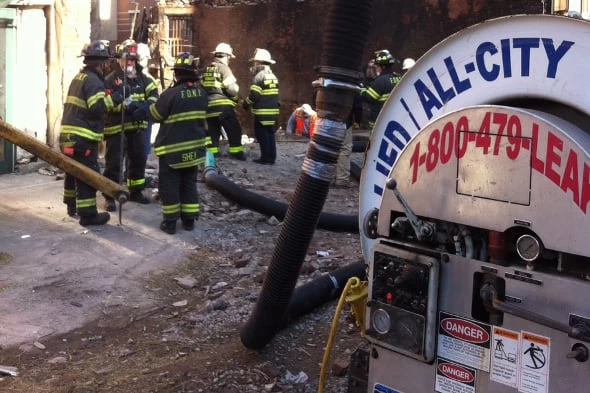
It’s imperative that HDD contractors follow best practices and procedures to minimize utility strikes, keeping damage numbers to a minimum. Crews must remember that damage from HDD equipment sometimes isn’t immediately apparent compared to other ground-breaking equipment types.
A little time spent on planning and preparation prevents problems that could take days or weeks to fix, requiring crews to prepare and identify existing utilities. An advance emergency response plan reduces chaos and uncertainty during underground utility strikes, including directing traffic and pedestrians away from the site during safety events.
During drilling, the drill head must be tracked at least every full length of pipe, with each tracking location marked and progress checked to ensure the bore stays on intended path, as even experienced operators can end up off-course without frequent tracking. This constant monitoring protects your investment and prevents costly corrections.
Once positioned, crews insert voltage stakes at least 6 feet from the machine, place cones on all four sides to create barriers, use safety signs warning unauthorized people away, and only allow trained personnel with appropriate PPE inside the perimeter. These protocols create the controlled environment your commercial project requires.
Equipment Safety and Emergency Procedures
In the event of gas or liquid line strikes, operators must immediately shut off engines, evacuate the area, contact utility companies, and not return until permission is given. Cross bores between gas/electric lines and sewer lines create potentially dangerous situations where homeowners or plumbers could inadvertently sever lines while clearing blockages, causing injury or death.
Directional drillers face unique challenges by pushing rods without turning, creating possibilities for rod bending or breaking in hard materials, with operators sitting just inches away from spinning rod hazards. Understanding these risks helps you evaluate contractor safety protocols and equipment maintenance standards.
Standardized safety checks and procedures are vital with HDD equipment presenting pinch/strike/electrical hazards, requiring rig inspections to ensure hydraulic/mechanical systems operate correctly, crew briefings on safe drilling protocols, and visual monitoring of drilling pressures and pull-back forces.
Emergency preparedness includes on-site contact lists for fire/police/ambulance and project stakeholders, first aid/CPR trained crews, well-stocked first aid kits and response materials, with established protocols for injured workers, fires/explosions, or utility strikes. We demonstrate these capabilities before work begins, not after problems arise.
Planning Your Commercial Directional Drilling Project in Suffolk County
Understanding the HDD process, safety requirements, and realistic timelines helps you make informed decisions for your commercial project in Suffolk County. Project completion depends on depth, distance, terrain, pipeline diameter, and operational pace, with timelines ranging from weeks to months, though unforeseen circumstances can affect progress.
The key to success lies in choosing experienced contractors who prioritize thorough planning, maintain strict safety protocols, and use proven trenchless technologies. Your commercial project deserves the precision and reliability that comes from working with specialists who understand Suffolk County’s unique conditions and requirements.
For your next directional drilling project in Brookhaven, Deer Park, or Riverhead, consider partnering with Long Island Water and Sewer Main – Allied All City, where decades of experience meet cutting-edge technology to deliver results that exceed expectations.
Need this done on Long Island? Long Island Sewer and Water Main handles directional drilling across Nassau and Suffolk County. Call 631-407-2873 in Suffolk or 516-604-2651 in Nassau.