
Summary:
Most Long Island homeowners don’t think about their cesspool until something goes wrong. A slow drain, a smell you can’t quite place, or a patch of grass that’s suspiciously green — and suddenly you’re searching for answers at 10pm wondering how serious this actually is.
Here’s the honest version: cesspool problems rarely fix themselves, and the longer you wait, the more expensive the solution gets. We walk you through what cesspool pumping involves, what it costs in Nassau and Suffolk Counties, and what you should realistically expect from a professional service call. No filler, no scare tactics — just the information you need to make a smart decision.
What Is a Cesspool vs. a Septic Tank — and Which One Do You Have?
A lot of Long Island homeowners use “cesspool” and “septic tank” interchangeably, but they describe two different systems. Knowing which one you have changes how often you need service and what that service actually looks like.
A cesspool is a single perforated pit buried in the ground. All household waste — liquid and solid — flows into it, and the liquid slowly seeps into the surrounding soil. There’s no separation, no treatment, and no leach field. A septic tank, by contrast, is a sealed, watertight vessel that separates solids from liquids before sending the liquid effluent out to a drain field to be absorbed gradually.
If your home was built before the mid-1970s — which describes a huge portion of the housing stock in towns like Bethpage, Holbrook, Copiague, and Ronkonkoma — there’s a strong chance you have a cesspool, not a modern septic system. Post-war suburban development across Long Island moved fast, and cesspools were the standard. Many of those original systems are still in the ground today.
Cesspool vs. Leach Field: Understanding How Waste Leaves Your Property
If you’ve heard the term “leach field” and wondered whether you have one, the short answer is: probably not, if you have a cesspool. A leach field — also called a drain field — is part of a full septic system. It’s a network of perforated pipes buried in gravel-filled trenches that distribute treated wastewater across a wide area of soil for final absorption.
Cesspools skip that step entirely. The pit itself is doing double duty — collecting waste and attempting to disperse liquid at the same time, all in one location. That’s why cesspools fill up faster and need more frequent pumping than a properly functioning septic system with a dedicated leach field.
On Long Island, the soil conditions complicate this further. The island’s sandy glacial soil generally drains well, but in older neighborhoods where cesspools have been in use for 50 or 60 years, the surrounding soil can become saturated with organic matter and lose its ability to absorb liquid effectively. When that happens, the cesspool fills faster, and the signs of a struggling system start showing up in your drains and your yard.
This is also why Suffolk County banned the installation of new cesspools entirely in 2019. The nitrogen that passes through cesspool walls and into the soil doesn’t stop there — it eventually reaches the underground aquifers that supply 100% of Long Island’s drinking water. That’s not a distant environmental concern; it’s a direct public health issue for everyone on the island.
The distinction between a cesspool and a septic system also matters when you’re scheduling service. Septic tanks typically need pumping every three to five years. Cesspools, because they handle everything in one chamber, generally need attention every two to three years — and more often if you have a larger household, run a garbage disposal, or host frequent guests.
Cesspool Maintenance on Long Island: How Often, and What's Actually Involved
Routine cesspool maintenance isn’t complicated, but it does require consistency. The general guideline for Long Island homeowners is every two to three years for a family of four. A single-person household with a larger tank might stretch that to four years. A family of five or six with a smaller system might need annual service.
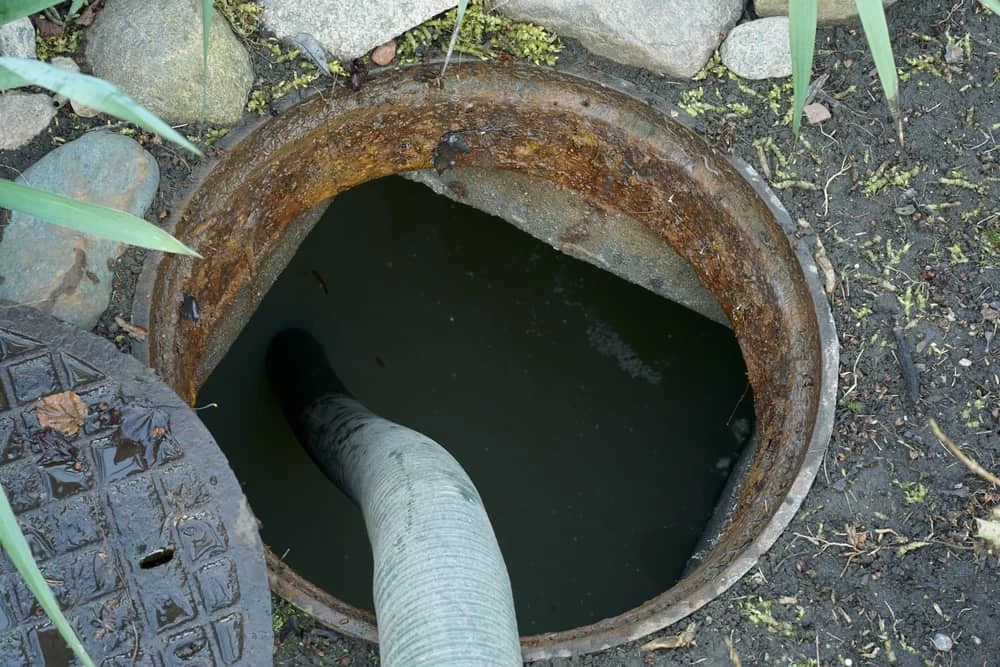
What actually happens during a proper service call? A technician locates the cesspool lid — sometimes it’s accessible, sometimes it’s buried under years of soil and landscaping — removes the lid, and pumps out the accumulated liquid waste. But pumping alone isn’t the full picture. A thorough job also includes breaking up and removing the sludge layer that settles at the bottom of the pit. That sludge layer is the main driver of cesspool failure. If it’s left behind, it continues to build until the system can no longer function.
After pumping and cleaning, we include an inspection of the pit walls and cover for cracks, structural damage, or signs that the system is approaching failure. That inspection matters. A cesspool that looks fine from the surface can have serious damage below grade, and catching it early is the difference between a $300 maintenance call and a $7,000 replacement.
We also offer camera inspection as part of our service — a real-time look at what’s happening underground so you’re not just taking someone’s word for it. You can see the condition of the system yourself and understand exactly what work is being done and why.
One thing worth noting: cesspool maintenance and cesspool cleaning are not the same thing. Pumping removes liquid. Cleaning removes the sludge. If your system hasn’t been serviced in several years, you need both — and any company that quotes you for pumping only isn’t giving you the full picture.
Cesspool Pumping Cost on Long Island: What You're Actually Going to Pay
Pricing is almost always the first thing people want to know, and it’s completely reasonable to ask before you commit. The honest answer is that cesspool pumping cost on Long Island varies based on a few real factors — tank size, accessibility, how long it’s been since the last service, and whether the job is routine or emergency.
That said, here are the actual numbers. Standard residential cesspool pumping in Nassau and Suffolk Counties typically runs between $200 and $500. If the lid is buried and needs to be excavated, add $300 to $1,200 depending on depth and access. Emergency or after-hours service — the kind you need at midnight when drains are backing up — can exceed $1,000. A full cesspool replacement, when a system has failed beyond repair, generally starts around $6,500 and can go significantly higher depending on what’s required.
Those numbers aren’t meant to alarm you. They’re meant to help you understand why staying on a maintenance schedule is almost always the smarter financial move.
Cost to Get a Septic System Pumped on Long Island
If you have a septic tank rather than a cesspool, the pumping process is similar but the system is different. The cost to get a septic system pumped on Long Island generally falls in the same range as cesspool service — $200 to $500 for a standard residential tank — though larger commercial tanks or systems that require additional access work will cost more.
The key difference is frequency. Because a septic tank separates solids before sending liquid to a leach field, it doesn’t fill as quickly as a cesspool. Most septic systems need pumping every three to five years. If you’ve been running a garbage disposal regularly, that interval shortens, because the disposal sends more solid material into the tank than a household without one.
Septic holding tanks — sealed tanks with no leach field that hold all waste until pumped — are a separate category. These need more frequent service, sometimes every year or two, because there’s no passive drainage happening between pump-outs. Septic holding tank pumping cost on Long Island is similar per visit, but the cumulative annual cost is higher because of the service frequency.
For homeowners who aren’t sure whether they have a cesspool, a septic tank, or a holding tank, we can run a camera inspection from your cleanout and give you a clear picture of what’s underground before any work begins. That kind of diagnostic clarity is worth the time, especially if you’re buying or selling a home in Nassau or Suffolk County where the system’s condition can affect the transaction.
Average Price for Septic Pumping and What Drives the Cost Up or Down
The average price for septic pumping on Long Island sits around $300 to $400 for a standard residential service call under normal conditions. But “normal conditions” covers a lot of ground, and several factors can push that number in either direction.
Tank size is the most straightforward variable — a 1,000-gallon tank costs more to pump than a 500-gallon tank. Accessibility is the next big one. If the lid is at grade and easy to locate, the job is straightforward. If it’s two feet underground and needs to be dug out, that excavation cost gets added to the bill. Some companies quote a base price and then add excavation as a separate line item when they arrive — which is how you end up with a surprise charge. We provide upfront pricing, even in ranges, so you know what to expect before we show up.
Emergency timing matters too. Cesspool problems don’t follow business hours. If you’re calling on a Sunday, a holiday, or at 2am because sewage is backing up into your home, you’re looking at emergency septic pumping rates. Emergency septic pumping service on Long Island typically runs $800 to $1,200 or more depending on the severity of the situation and the time of the call.
One thing we hear often: homeowners searching for cheap cesspool pumping end up paying more in the long run. A company that quotes a very low number may be skipping the sludge cleaning, using subcontracted crews with no accountability, or — in the worst cases — disposing of septage illegally. In New York State, cesspool waste must be transported to approved disposal facilities by a licensed hauler. That’s not optional, and it’s not cheap. If someone is quoting you a price that seems too low to cover legitimate disposal, it’s worth asking how they’re handling it.
We’ve been doing this work across Nassau and Suffolk Counties for nearly 40 years. In that time, we’ve seen what happens when systems get neglected and when homeowners get burned by companies cutting corners. The price difference between doing it right and doing it cheap rarely justifies the risk.
Cesspool Service on Long Island: What to Do Next
If you’re not sure when your cesspool was last pumped, that uncertainty is itself a reason to schedule service. Most Long Island systems need attention every two to three years, and many homeowners — especially those who’ve recently purchased older homes in towns like Patchogue, Bellmore, or Holbrook — have no maintenance records to work from.
The good news is that a routine service call is straightforward, relatively affordable, and far less disruptive than dealing with a system that’s failed. Catch it early and you’re looking at a few hundred dollars and an afternoon. Wait until something backs up and the numbers get much harder to swallow.
We answer calls 24 hours a day, seven days a week — including weekends and holidays — because cesspool problems don’t wait for Monday morning. If you have questions, want a straight answer on pricing, or need someone out the same day, reach out to Long Island Water and Sewer Main – Allied All City. A real person picks up the phone.
—
**Frequently Asked Questions**
**What is the difference between cesspool pumping and cesspool cleaning?** Pumping removes the liquid waste from the pit. Cleaning goes further — it breaks up and removes the sludge layer that accumulates at the bottom over time. That sludge layer is the main cause of cesspool failure, so if your system hasn’t been serviced in several years, pumping alone isn’t enough. You need both, and we’ll tell you that upfront.
**How much does cesspool cleaning cost on Long Island?** A full cesspool cleaning — pumping plus sludge removal — typically runs $300 to $600 for a standard residential system in Nassau or Suffolk County. The final cost depends on tank size, how long it’s been since the last service, and whether the lid needs to be excavated.
**What does cesspool maintenance cost over time?** Routine maintenance every two to three years, at $200 to $500 per visit, is the most cost-effective approach. Skipping maintenance cycles leads to accelerated sludge buildup, which shortens the system’s lifespan and can turn a $400 service call into a $7,000 replacement. Cesspool aeration, which costs $200 to $500, can also reduce how often you need to pump by extending the interval by a year or two.
**What are typical cesspool pumping prices in Nassau and Suffolk County?** Standard residential cesspool pumping runs $200 to $500. Excavation to access a buried lid adds $300 to $1,200. Emergency service after hours or on holidays typically starts at $800 and can exceed $1,000 depending on the situation.
**What is the overall cesspool service cost for a typical call?** For a routine visit — pumping, cleaning, and a basic inspection — expect to pay $300 to $600 under normal access conditions. If excavation is needed or the system requires additional work, the cost goes up accordingly. We provide a clear estimate before work begins.
**Is cheap cesspool pumping worth it?** Usually not. Very low quotes often mean the sludge layer isn’t being cleaned, subcontracted crews are being used with no quality oversight, or — in the worst cases — waste isn’t being disposed of at an approved facility. New York State requires licensed haulers to transport septage to authorized sites. If a price seems too low to cover legitimate disposal and labor, it’s worth asking questions before you commit.
**How much does it cost to have a septic system pumped on Long Island?** Septic tank pumping on Long Island generally costs $200 to $500 for a standard residential system, similar to cesspool pumping. Larger tanks, harder-to-access lids, and commercial systems all push that number higher.
**What is the cost to get a septic system pumped vs. a cesspool?** The per-visit cost is similar — $200 to $500 for most residential jobs. The main difference is frequency. Septic tanks typically need pumping every three to five years; cesspools need service every two to three years. Over a decade, that adds up.
**What is the average price for septic pumping in Nassau and Suffolk County?** The average price for septic pumping on Long Island falls around $300 to $400 for a standard residential call under normal conditions. Emergency timing, tank size, and access all affect the final number.
**What does it cost to have a septic system pumped out?** Most homeowners in Nassau and Suffolk Counties pay $250 to $500 for a standard pump-out. If the job requires excavation or the system is larger than average, budget accordingly and ask for a full estimate upfront.
**How much does septic holding tank pumping cost?** Septic holding tanks — sealed systems with no drainage — need more frequent service than standard tanks, sometimes annually. Per-visit cost is similar to standard pumping ($200 to $500), but the cumulative cost over time is higher because of the service frequency.
**What is the septic pump service cost for a full inspection and pump?** A combined pump and inspection typically runs $350 to $600 on Long Island. Camera inspection, if included, may add to the cost but provides a clear picture of the system’s condition — worth it if you’re buying a home or haven’t had service in several years.
**What does emergency septic pumping cost on Long Island?** Emergency septic pumping — after-hours, weekend, or holiday calls — typically starts at $800 and can exceed $1,200 depending on the severity and timing. That premium reflects the real cost of dispatching a crew outside of normal business hours. It’s one of the strongest arguments for staying on a regular maintenance schedule.
**What is the cost to empty a septic tank or cesspool?** Basic emptying of a residential cesspool or septic tank runs $200 to $500 under normal conditions. “Emptying” typically refers to pumping only — full cleaning, which includes sludge removal, costs more and is often the right choice if the system hasn’t been serviced recently.
**What does septic removal cost on Long Island?** Full septic or cesspool removal — when a system has failed and needs to be decommissioned and replaced — generally starts at $6,500 for a basic cesspool installation and can reach $20,000 or more for a full septic system with a leach field. Advanced nitrogen-reducing systems required in some parts of Nassau and Suffolk County can run $15,000 to $24,000.
**What is the price of septic pumping for a commercial property?** Commercial septic pumping costs more than residential service because tanks are larger and service frequency is higher. Pricing varies significantly based on tank size and system type — contact us for a site-specific estimate.
**Are there local septic pumping companies near me in Nassau or Suffolk County?** Yes. We operate across Long Island with a Suffolk County Liquid Waste License and New York State contractor licensing. Our crews handle the work directly — no subcontractors — and we’re available 24 hours a day, seven days a week for routine and emergency septic service. When evaluating any local cesspool pumping company, confirm they have proper licensing, documented reviews, and in-house crews. If a company can’t confirm those basics, keep looking.
Need this done on Long Island? Long Island Sewer and Water Main handles cesspool pumping across Nassau and Suffolk County. Call 631-407-2873 in Suffolk or 516-604-2651 in Nassau.