
Summary:
If you’ve searched “how much does cesspool pumping cost” and landed on pages that dance around the number, you’re not alone. Most homeowners on Long Island go through the same thing — they want a ballpark before they call, and instead they get vague ranges and a form to fill out.
This page gives you the actual numbers. What a standard pump-out costs, what drives the price up, what an emergency call runs, and what separates a fair quote from one that’s about to surprise you. By the end, you’ll know exactly what to expect — and what questions to ask before anyone pulls into your driveway.
What Cesspool Pumping Actually Costs on Long Island in 2026
For a standard residential pump-out in Nassau or Suffolk County, most homeowners pay somewhere between $200 and $500. That range covers the typical 1,000- to 1,500-gallon system on a single-family home — the kind built during Long Island’s suburban boom in the 1950s through 1970s. A 1,000-gallon tank generally runs $225 to $400. A 2,000-gallon tank pushes into the $400 to $600 range, sometimes higher depending on conditions.
The national average sits around $427, but Long Island isn’t average. The combination of older housing stock, a shallow water table in many coastal and low-lying communities, and some of the strictest cesspool regulations in the state means local pricing reflects local reality. For commercial properties or larger-scale needs, commercial sewer and water line services on Long Island can provide the specialized support needed to address complex sewer and water infrastructure.
Average Price for Septic Pumping: What Moves the Number Up or Down
The base cost of pumping is just the starting point. What actually determines your final bill is a combination of factors that most companies won’t spell out until they’re already on-site — which is exactly when you have the least leverage.
Tank size is the most straightforward variable. More volume means more time, more truck capacity, and more disposal cost. A 1,000-gallon tank and a 2,000-gallon tank are not the same job, even if the trucks look identical pulling up to your house.
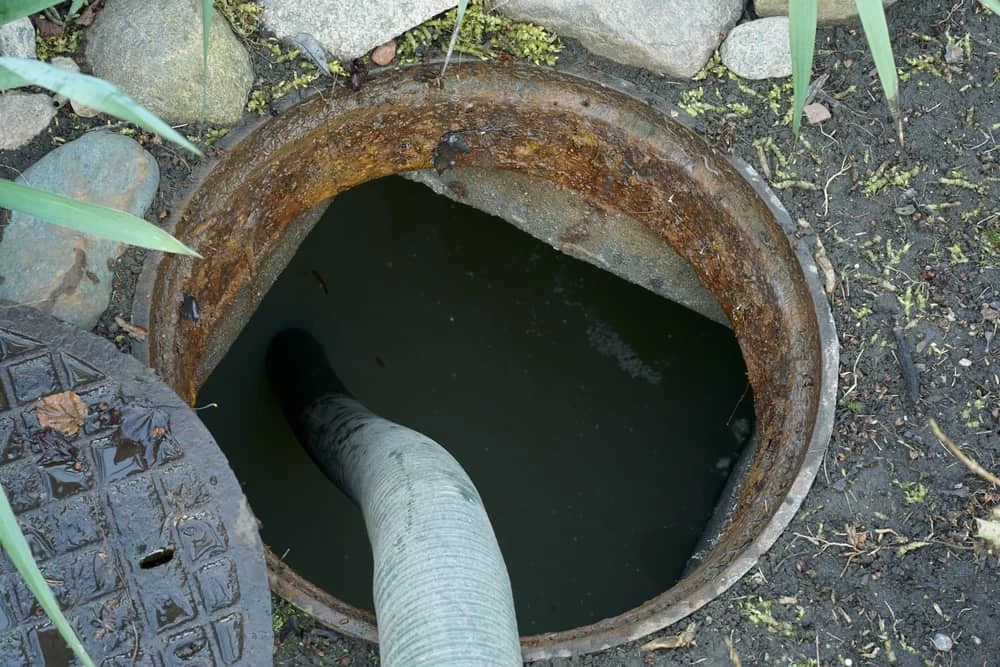
Access is the factor that catches people off guard. If your cesspool lid is buried — which is common in homes where the system hasn’t been serviced in years — we have to locate and excavate it before pumping can even begin. Machine excavation, when it’s needed, can add $300 to $1,200 to the base cost. Hand digging is less, but it’s slower. If you know where your lid is and it’s accessible, say so when you call — it matters for the estimate.
Soil and water table conditions also play a role, particularly in Suffolk County. Long Island sits over a sole-source aquifer, and the water table is surprisingly close to the surface in many areas — especially along the South Shore, in coastal communities, and in low-lying neighborhoods. A high water table can accelerate how quickly a cesspool fills, which affects both your pumping frequency and, in some cases, the complexity of the service call.
Finally, the age of your system matters. Most Long Island homes built before 1980 have cesspool systems that were designed for smaller families with far less daily water usage than today’s households. A system running a dishwasher, multiple bathrooms, and a washing machine on a daily basis fills faster than the original design anticipated. If your home is a 1960s ranch in Levittown or a split-level in Commack, your system is probably older than you think and may need more frequent attention than the national guidance suggests.
Emergency Septic Pumping Cost: What Happens When You Wait Too Long
Emergency cesspool service on Long Island can exceed $1,000 — and that’s before factoring in any repairs. When a cesspool backs up on a holiday weekend or a Sunday night, the cost of waiting becomes very concrete, very fast.
The math here is straightforward. A routine pump-out scheduled during normal business hours runs $300 to $500 for most homes. An after-hours emergency call, particularly one that requires locating a buried lid or excavating for access, can run double that before any repair work is even discussed. If the backup has caused sewage to surface in the yard or back up into the house, you’re now looking at remediation costs on top of the service call.
This is the part most homeowners don’t think about until they’re living it. Suffolk County sees an outsized share of cesspool emergencies around Thanksgiving, Christmas, and New Year’s — not because the systems are worse, but because household water usage spikes during gatherings and the systems that were already borderline simply can’t keep up. We’ve taken calls on New Year’s Day and early Sunday mornings, and we’ll take them again — but the honest advice is that a scheduled pump-out before the holidays is a much better use of $400 than a midnight emergency call.
New York State fines for missed pump-outs or failed inspection reports range from $250 to $2,000. And if neglect leads to system failure, the cost of repair starts at $1,000 and a full replacement runs $15,000 to $30,000. Suffolk County does offer rebates of up to $30,000 for homeowners upgrading to nitrogen-reducing I/A OWTS systems, but that program exists because the problem is real and widespread — not as a consolation prize for a system that’s already failed.
The case for routine maintenance isn’t complicated. It’s cheaper, it’s predictable, and it keeps you out of a situation where you’re calling anyone who answers the phone at 11pm.
Cesspool Cleaning Cost vs. Cesspool Maintenance Cost: Understanding the Difference
These two terms get used interchangeably, but they’re not the same service — and the cost difference is worth understanding before you call.
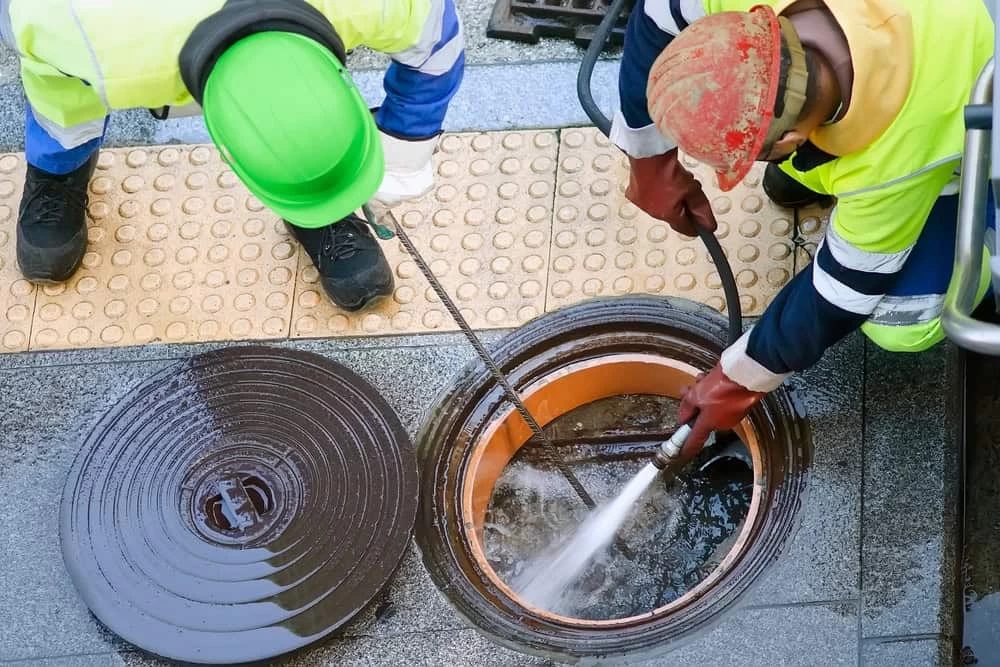
Pumping removes the liquid waste from your cesspool. Cleaning goes further: it includes pressure washing the tank walls, breaking up and removing residual solids, and a more thorough inspection of the tank’s condition. Cleaning typically adds $50 to $150 to the base pumping cost, and it’s not always necessary every visit — but it’s worth doing periodically, especially for systems that haven’t been serviced in several years.
Cesspool maintenance cost, looked at over time, is more manageable than most homeowners expect. A family of four pumping every two to three years at $300 to $500 per visit is spending roughly $100 to $250 per year on cesspool upkeep. That’s a reasonable number for a system that, if neglected, costs tens of thousands to replace.
How Often Should Long Island Homeowners Pump Their Cesspool?
The general guidance is every two to five years. On Long Island, the more realistic answer for most families is every one to three years — and that’s not a sales pitch, it’s a function of local conditions.
Suffolk County’s 380,000 cesspool and septic systems serve a population that drinks entirely from underground aquifers. There is no backup water source. Every system that’s overdue for maintenance is contributing nitrogen and untreated waste directly into the ground that feeds those aquifers. That’s why Suffolk County’s regulations are strict, why the 2019 ban on new cesspool installations happened, and why the county actively monitors and enforces pump-out compliance.
For Nassau County homeowners on cesspools — concentrated mostly along the North Shore from Kings Point through Oyster Bay — the calculus is similar. Older systems, higher water tables in some areas, and modern household water usage all push toward the shorter end of the recommended range.
Homes with garbage disposals should plan on pumping every two to three years regardless of household size, since the additional solid waste load accelerates fill rates significantly. If you’ve recently bought a home and don’t know when the system was last serviced, assume it’s overdue and schedule an inspection. The previous owners may not have been on any maintenance schedule at all — that’s more common than you’d think, especially in homes that changed hands quickly.
The honest answer to “can I wait another year?” is usually: maybe, but you won’t know until someone looks at it. A quick inspection can tell you exactly where your sludge and scum levels are and whether you have another year of runway or whether you’re already past it.
What to Watch Out for When Getting a Cesspool Pumping Quote on Long Island
The cesspool service market on Long Island has a documented pricing problem. Low-ball quotes followed by on-site surprises — accessibility fees, disposal charges, excavation add-ons — are common enough that homeowners have started sharing experiences on neighborhood forums and local Facebook groups. It’s worth knowing what to look for before you hire anyone.
First, ask for a written estimate before work begins. Any reputable company will provide one. If a company quotes you a number over the phone but won’t put it in writing until they’re already at your property, that’s a red flag.
Second, ask about LILWA certification. In Suffolk County, cesspool pumping companies are legally required to hold a Liquid Waste License and pass the Long Island Liquid Waste Association certification. This isn’t optional, and using an unlicensed provider creates real liability for you as the homeowner. Ask for the license number. A legitimate company won’t hesitate to provide it.
Third, ask whether the company uses its own crew or subcontracts. This matters more than it sounds. When a company dispatches someone else’s crew, accountability gets complicated — and the person doing the work may not represent the standards the company claims. We use our own certified technicians on every job, which is why we can stand behind the work completely.
Fourth, understand what “pumping” includes versus what costs extra. Does the quote include locating the lid if it’s buried? Does it include disposal fees? Is there a travel charge? Getting these answers upfront eliminates the sticker shock that turns a $350 job into a $700 bill.
Finally, pay attention to how the company communicates. Do they explain what they found? Do they tell you the sludge and scum levels they measured? Do they give you a clear picture of your system’s condition before they leave? A good service call ends with you knowing more about your system than when it started — not just a truck pulling out of the driveway.
Getting Honest Cesspool Pumping Service on Long Island Shouldn't Be This Hard
The core issue isn’t that cesspool pumping is complicated. It’s that the pricing opacity in this industry causes homeowners to delay, and delay turns manageable maintenance into expensive emergencies. Now you have the numbers — $200 to $500 for most routine jobs, more if access is difficult or the job is urgent, and a clear sense of what drives the difference.
If your system is overdue, or if you simply don’t know when it was last serviced, that’s the right time to call. Not when the drains slow down. Not after the holiday weekend when everyone else is calling too.
Long Island Water and Sewer Main – Allied All City has been doing this work across Nassau and Suffolk County for nearly 40 years. We’re available 24/7, we use our own licensed crews, and we’ll tell you exactly what we find. If you’re ready to schedule or just want a straight answer on what your job will cost, give us a call.
Need this done on Long Island? Long Island Sewer and Water Main handles cesspool pumping across Nassau and Suffolk County. Call 631-407-2873 in Suffolk or 516-604-2651 in Nassau.