
Summary:
Most Long Island homeowners don’t give their septic system a second thought until the drains slow down, the yard smells off, or the basement backs up on a Sunday morning. By then, what could have been a $400 pump-out has a real chance of turning into a $12,000 drain field replacement.
Fall is your window. The ground is still workable, your system has just handled a full summer of use, and scheduling is far easier than it will be in March when everyone else is dealing with winter damage at once. This checklist covers what actually needs to happen before the cold sets in — and what to watch for if something isn’t right.
What Fall Septic Tank Maintenance Actually Involves
Septic tank maintenance isn’t one thing — it’s a short sequence of checks that together tell you whether your system is healthy, overdue, or quietly failing. A real service visit covers more than just pumping. It starts with locating and accessing the tank, measuring sludge and scum levels to determine whether a pump-out is actually needed, and inspecting the inlet and outlet baffles that keep solids from escaping into the drain field.
We also check the distribution box and evaluate the drain field for signs of saturation or stress. If your system has an effluent filter — a component that catches fine solids before they reach the leach field — we clean that too. Done right, a fall inspection gives you a clear picture of where your system stands heading into winter, not a guess.
How Often Should You Pump a Septic Tank on Long Island?
The honest answer is: it depends on your household, your tank size, and how the system has been used. The general guidance — pump every three to five years — is a reasonable starting point, but it’s not a rule that applies equally to every home. A family of four in a three-bedroom house in Smithtown is going to load their system differently than a retired couple in a smaller home in Wantagh.
What actually matters is the sludge and scum measurement. When the combined depth of those two layers reaches about one-third of the tank’s liquid capacity, it’s time to pump. That’s the threshold where solids start escaping toward the drain field, and drain field damage is where the real money goes. We measure this directly rather than just defaulting to a fixed schedule.
Suffolk County now requires septic system inspections every three years, with results reported to the county database. Nassau County operates on a five-year cycle. These aren’t suggestions — they’re enforceable requirements, and they matter most when you’re selling your home or pulling permits for a renovation. If you don’t have documentation of recent service, fall is the time to get it squared away.
One more thing worth knowing: Long Island’s sandy soils mean contaminants move quickly into the groundwater. The island sits on a sole-source aquifer — every drop of drinking water for roughly three million people comes from directly beneath us. That’s not an abstraction. A failing or overloaded septic system on your property contributes to the same water supply your family drinks from. Regular maintenance here carries more weight than it does in most other parts of the country.
Signs Your System Needs Attention Before Winter
Some warning signs are obvious. Slow drains throughout the house, gurgling sounds in the pipes, sewage odors near the tank or drain field, or wet patches of unusually green grass over the leach field — these are all signals that your system is under stress or already failing. If you’re seeing any of these in the fall, don’t wait for spring to call us.
But here’s the part that catches most homeowners off guard: a system that’s near capacity often shows no symptoms at all. There’s no smell, no backup, no visible sign that anything is wrong. The tank fills quietly over years, and by the time you notice something, the damage has already reached the drain field. That’s why a scheduled inspection matters more than waiting for a problem to announce itself.
A few specific things to watch for heading into fall: Has your household grown or had extended visitors over the summer? Summer entertaining adds real load to a system that’s sized for your regular household. Have you noticed your toilets or sinks draining more slowly than usual, even slightly? Has it been more than three years since your last pump-out? Any one of these is a reasonable trigger to schedule a visit before the ground hardens.
It’s also worth knowing that pumping in late fall — rather than waiting until spring — avoids a specific risk that most homeowners don’t think about. In the spring, after heavy rain, the soil around the tank becomes saturated. Pumping an empty tank in waterlogged ground creates pressure imbalance that can actually cause the tank to shift. Fall pumping sidesteps that risk entirely, and it means your system enters winter with the maximum available capacity to handle cold-weather use.
Septic Pumping on Long Island: What to Expect
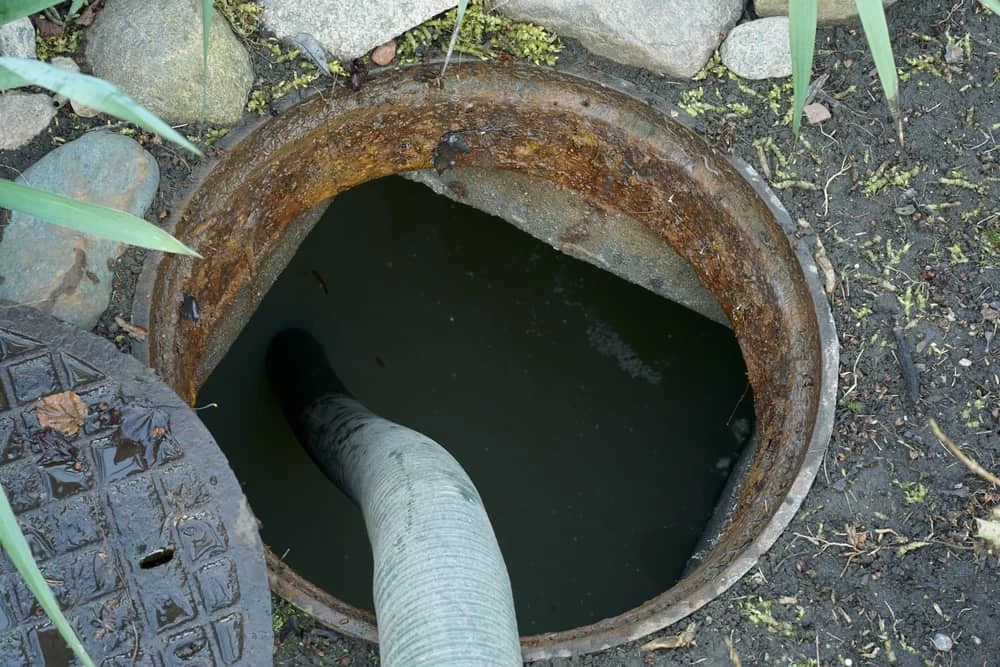
A professional septic pump-out on Long Island typically takes one to two hours from start to finish. We locate and uncover the access lid, insert a vacuum hose into the tank, remove the accumulated sludge and scum, and dispose of the waste at a licensed facility in compliance with New York environmental regulations. That’s the core of it.
What separates a thorough service visit from a basic pump-and-go is what happens around that process. Our technicians check the baffles, look for cracks or signs of structural wear in the tank, and give you a clear read on the condition of the system before leaving. You walk away with documentation you can use for county compliance records — not just a receipt.
What Happens If the Inspection Finds a Problem?
This is the question that keeps a lot of Long Island homeowners from calling in the first place. They’d rather not know. The fear is that a routine inspection opens a door to a $15,000 repair they weren’t budgeting for, and that fixing it means a crew digging up the yard for a week.
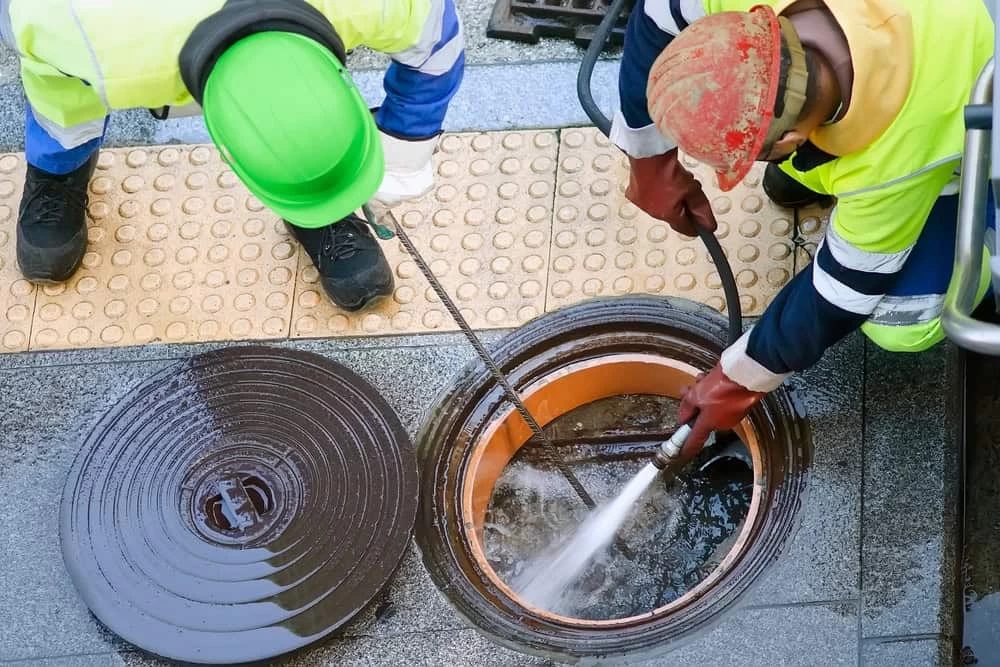
That fear is understandable — but it’s based on how septic repairs used to work. Trenchless technology has changed the equation significantly. In many cases, a damaged line can be repaired or replaced using pipe bursting or pipe lining, which requires minimal excavation. The crew accesses the line at two small entry points, and the work happens underground. Your landscaping, your driveway, your hardscaping — most of it stays intact.
We’ve been doing this work on Long Island since 1980, and we’ve seen what happens when homeowners delay because they’re afraid of the disruption. A crack in a line that could have been addressed with a trenchless repair becomes a full drain field failure that requires excavation regardless. Early detection — through a fall inspection — is almost always the cheaper path. Not just a little cheaper. Often dramatically cheaper.
If a camera inspection reveals something that needs attention, we walk you through exactly what we found, what the options are, and what each one costs before any work begins. You’re not getting a vague estimate and a pressure pitch. You’re getting a real picture of what’s underground — literally, because our camera inspections show you live footage of the line — and a clear explanation of what it means.
It’s also worth knowing that Suffolk County’s Septic Improvement Program offers grants of up to $25,000, or up to 75% of project cost, for qualifying homeowners who upgrade to a nitrogen-reducing system. If your inspection reveals that your cesspool or conventional septic system needs replacement, that program may cover a significant portion of what you’d otherwise pay out of pocket. We can walk you through whether your situation qualifies.
Nassau County vs. Suffolk County: Does It Change What You Need to Do?
The short answer is yes — the inspection requirements and upgrade timelines differ between the two counties, and it’s worth understanding which rules apply to your property.
In Suffolk County, mandatory septic inspections are required every three years, and results must be reported to the county’s database. Suffolk also banned new cesspool installations as of July 1, 2019. Any new system — whether it’s new construction, a major renovation, or a replacement for a failed system — must be an Innovative/Alternative Onsite Wastewater Treatment System, known as an I/A OWTS. These advanced systems remove up to 90% of the nitrogen from wastewater before it reaches the groundwater, compared to conventional cesspools that remove almost none. If you’re in Suffolk County and your system fails, you’re not replacing it with the same thing — you’re upgrading.
Nassau County operates on a five-year inspection cycle, which gives homeowners a slightly longer window between required service visits. But the underlying logic is the same: document your system’s condition, keep it maintained, and don’t wait for a failure event to trigger action. Homes in Nassau County that are sold or undergo significant renovation face the same scrutiny as Suffolk County properties when it comes to system condition and compliance.
For homeowners across both counties, the practical implication is the same: if you don’t have a service record from the past three to five years, you’re overdue. And if you’re planning to sell, refinance, or pull a building permit in the next year or two, getting ahead of the inspection requirement now — in the fall, when scheduling is straightforward — is far smarter than scrambling to document compliance under a deadline.
We serve all of Nassau County and all of Suffolk County, so whether you’re in Mineola, Massapequa, Huntington, or out toward Riverhead, the same team handles the job. We know the local regulations in both counties, we know how to document service for county compliance purposes, and we’ve been navigating Long Island’s specific rules and soil conditions since 1980.
When to Schedule Fall Septic Service on Long Island
The window is October and November. After that, the ground gets harder to work with, scheduling gets tighter as winter problems stack up, and your system enters its most demanding season without the buffer it needs.
If it’s been more than three years since your last pump-out, if you’ve had a busy summer with extra household use, or if you simply don’t have documentation of recent service, that’s enough reason to schedule a visit. You don’t need a symptom. You just need a calendar.
Long Island Water and Sewer Main — Allied All City has been handling septic and cesspool maintenance across Nassau and Suffolk Counties since 1980. If you have questions about your system, your county’s inspection requirements, or what a fall service visit actually involves, give us a call. We’ll give you a straight answer.