
Summary:
Most homeowners don’t think about their septic tank until something goes wrong. A slow drain, a smell in the yard, a soggy patch of grass that won’t dry out — suddenly it’s all you can think about. The good news is that most septic problems are preventable, and pumping is the single most effective thing you can do to keep your system running the way it should. This guide covers what the process actually involves, how often you need it done, and the signs that mean it’s time to call us now — not next month.
What Happens During a Septic Tank Pump Out
A lot of homeowners picture septic pumping as a messy, complicated ordeal. In reality, a straightforward pump out typically takes 30 to 60 minutes and leaves your yard looking exactly the way it did before the truck arrived.
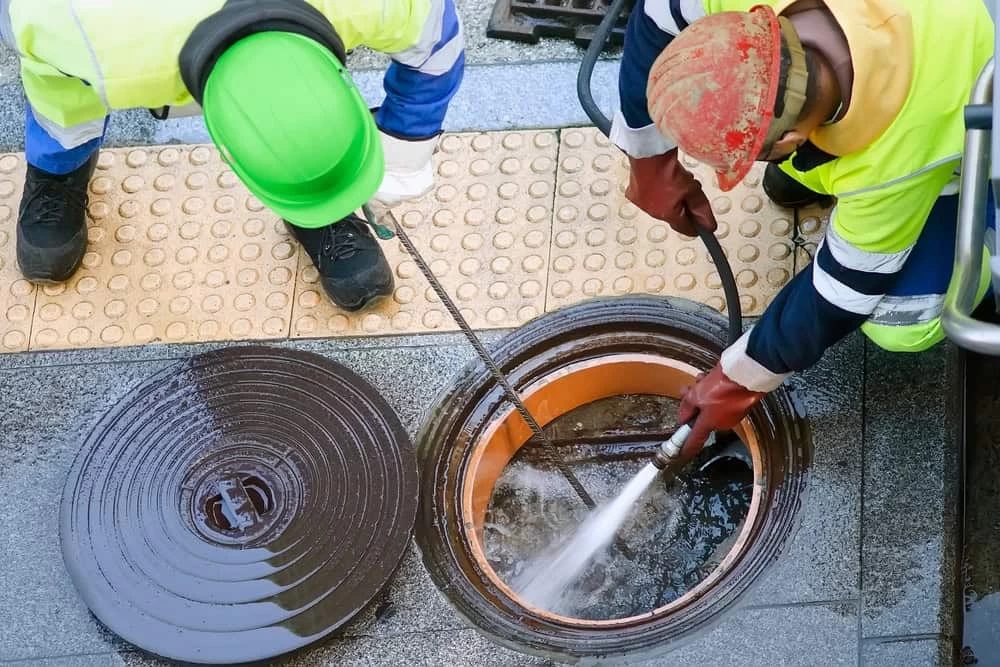
Our technician starts by locating and uncovering your tank’s access lid — if you know where it is, great; if not, we’ll find it. From there, we lower a vacuum hose into the tank and remove the accumulated sludge and scum that’s built up since your last service. It’s not glamorous, but it’s fast and contained.
What separates a thorough job from a rushed one is what happens after the pumping itself. A good technician inspects the tank’s interior — the baffles, the inlet and outlet pipes, the walls — and tells you what they found before they leave. That inspection is where small problems get caught before they become expensive ones.
What Our Technician Is Actually Looking For Inside Your Tank
Once the tank is emptied, the inside becomes visible in a way it normally isn’t. That’s when our experienced technician checks the condition of the baffles — the components that direct flow through the tank and prevent solids from migrating into your drain field. A cracked or missing baffle is one of the most common causes of premature drain field failure, and it’s something you’d never know about without looking.
We also check the inlet and outlet pipes for signs of damage or root intrusion, look at the tank walls for cracks or structural issues, and note the sludge and scum levels that were present before pumping. Those measurements actually matter — the EPA uses specific thresholds to determine when pumping is genuinely necessary. If the bottom of the scum layer is within six inches of the outlet, or the top of the sludge layer is within twelve inches, the tank needs to be pumped regardless of when it was last serviced.
On Long Island, there’s an added layer of complexity. Many homes — particularly those built before 1973 across Nassau and Suffolk County — have cesspools rather than full two-stage septic systems. A cesspool is a single underground chamber that handles everything: settling, storage, and soil absorption all in one. They work, but they fill faster and need more frequent attention, typically every one to three years rather than the three to five years typical of a conventional septic tank. If you’re not sure which one you have, we can tell you during the visit.
Post-pumping findings aren’t always bad news. Sometimes everything looks exactly as it should, and you walk away knowing your system is in solid shape for another few years. But when something does show up — a damaged baffle, a hairline crack, a pipe that’s starting to shift — catching it at pump-out time is infinitely cheaper than catching it after the drain field has already started to fail.
Septic Tank Emptying Schedule: How Often Is Often Enough?
The EPA recommends that most households pump their septic tank every three to five years. That’s a reasonable starting point, but the honest answer is that it depends on your household size, your tank size, and how you use your system day to day.
A family of four with a 1,000-gallon tank — the most common residential configuration — typically lands somewhere in the two-and-a-half to five year range. A family of two in the same house might go considerably longer. A household of five or more with a garbage disposal running regularly could be looking at service every twelve to eighteen months. The garbage disposal factor is one people consistently underestimate — grinding food waste into your system accelerates solids accumulation significantly, and the pumping schedule should reflect that.
On Long Island specifically, a few local factors push toward the more frequent end of that range. The island’s sandy, glacially deposited soil is highly permeable, which sounds like a good thing until you realize it also means effluent moves quickly through the ground without much natural filtration. That puts more pressure on the tank itself to do its job properly, which means keeping it clear of excess buildup matters more here than in regions with heavier, slower-draining soil.
The high water table across much of Nassau and Suffolk County is another variable. During wet seasons — particularly spring and after major storms — the water table can rise close enough to the surface to limit the drain field’s ability to discharge properly. A tank that’s already running near capacity going into a wet stretch is a system that’s one heavy rain away from surfacing. Staying ahead of the pumping schedule gives you a meaningful buffer.
Suffolk County now requires septic system inspections every three years, with results reported to the county database. Nassau County follows a five-year inspection cycle. These aren’t optional — they’re enforceable requirements that exist precisely because Long Island’s groundwater, including the sole-source aquifer that supplies the entire island’s drinking water, is directly affected by how well residential wastewater systems are maintained.
Septic Tank Warning Signs Long Island Homeowners Shouldn't Ignore
By the time a septic system announces itself with a dramatic backup, it’s usually been struggling quietly for a while. The signs that something is wrong tend to show up gradually — and they’re easy to rationalize away until they’re not.
Slow drains that don’t respond to standard clearing are one of the most common early indicators. When multiple fixtures are slow at the same time, that’s not a clog in one pipe — that’s a system that’s running out of capacity. A sulfuric or sewage odor, either inside the house or in the yard near the tank or drain field, is another sign that shouldn’t be dismissed. And a wet, spongy, or unusually green patch of grass over the drain field area is the system’s way of telling you it’s already overwhelmed.
None of these symptoms mean the system is beyond saving. But they do mean it’s time to call us before the situation escalates into something that costs five to ten times as much to fix.

What Happens If You Skip Pumping for Too Long
The tank itself is just one part of the system. The drain field — the network of perforated pipes and surrounding soil that treats and disperses the liquid effluent — is the component that actually fails when a septic system is neglected, and it’s by far the most expensive part to replace.
When a tank goes too long without pumping, solids begin to migrate out of the tank and into the drain field. Once that happens, the soil around the pipes becomes clogged with a dense layer of biological material called a biomat. At that point, the drain field can no longer do its job, and no amount of pumping will fix it. You’re looking at a drain field repair or full replacement — a project that typically runs between $5,000 and $20,000 depending on the extent of the damage and the type of system required.
In Suffolk County, any failing cesspool now must be replaced with an Innovative and Alternative Onsite Wastewater Treatment System — the nitrogen-reducing technology the county mandated starting in July 2019. These systems average around $19,000 installed. Nassau County has similar requirements for new installations and replacements. The grant funding available through the Suffolk County Septic Improvement Program and Nassau County programs can offset a significant portion of that cost — up to $25,000 in Suffolk and $20,000 in Nassau — but those programs require working with a licensed, certified contractor who knows how to navigate the process.
The math is straightforward. Routine pumping every few years at a few hundred dollars per visit adds up to roughly $5,000 over the life of a well-maintained system. One drain field failure can cost three to six times that in a single repair. Staying current on maintenance isn’t just good practice — it’s the cheaper option by a wide margin.
Septic Pump Out FAQs Nassau and Suffolk County Homeowners Ask Most
**Do I need a permit to have my septic tank pumped?** No. Routine pumping doesn’t require a permit in Nassau or Suffolk County. Permits are required when you’re replacing, installing, or modifying a system — not for standard maintenance. This is a misconception that leads some homeowners to delay service longer than they should. If a pump-out reveals that a repair or replacement is needed, that’s when the permitting conversation starts with your local health department.
**Does using a garbage disposal change how often I need to pump?** Yes, meaningfully. Garbage disposals send ground food waste directly into your tank, accelerating solids accumulation. If your household uses one regularly, you should expect to pump more frequently — potentially every twelve to eighteen months rather than every three to five years. It’s one of the most commonly overlooked factors in septic maintenance schedules, especially in older Long Island homes where the tank size was sized for a household that didn’t have one.
**What’s the difference between a cesspool and a septic tank, and does it matter for pumping?** It matters quite a bit, and it’s a question that comes up constantly across Nassau and Suffolk County. A septic tank is a two-stage system: solids settle in the tank, and liquid effluent flows out to a separate drain field for treatment. A cesspool is a single chamber that handles everything in one place — settling, storage, and soil absorption all happen through the same structure. Cesspools are common in homes built before 1973 on Long Island, and they need to be pumped more frequently, typically every one to three years. If you bought an older home and aren’t sure which system you have, we can identify it during a service visit.
**What should I do if my tank is already backing up?** Call us immediately. A sewage backup isn’t a wait-and-see situation — it’s a health hazard and a sign that the system is at or past capacity. Emergency cesspool pumping can relieve the immediate pressure and give you a clear picture of what’s happening underground. We respond to emergency calls 24 hours a day, seven days a week, including holidays. If it’s happening right now, don’t wait until morning.
When to Call Long Island Water and Sewer Main - Allied All City
Whether you’re due for routine maintenance, noticing something that doesn’t seem right, or dealing with an active problem, the answer is the same: sooner is always better than later. A pump-out that catches a damaged baffle costs a few hundred dollars. A drain field replacement that could have been avoided costs several thousand. The gap between those two outcomes is usually just a matter of how long someone waited.
Long Island’s combination of sandy soil, a variable water table, and some of the strictest wastewater regulations in the country means this isn’t a place where you can afford to run a septic system on guesswork. The county inspection requirements exist for a reason, and staying ahead of them protects both your property and the groundwater the entire island depends on.
If you’re not sure when your system was last serviced, or if something already feels off, reach out to us. Nearly 40 years of experience across Nassau and Suffolk County means we’ve seen just about every system type, every soil condition, and every situation — and we’re available when you need us, not just when it’s convenient.
Need this done on Long Island? Long Island Sewer and Water Main handles cesspool services across Nassau and Suffolk County. Call 631-407-2873 in Suffolk or 516-604-2651 in Nassau.