
Summary:
You’ve got a sewer line problem. Two contractors just gave you wildly different quotes, and one wants to dig up your entire yard while the other mentions something called trenchless lining. The price difference seems significant, but you’re not sure which number tells the real story.
Here’s what most homeowners in Nassau County don’t realize until it’s too late: that lower excavation quote doesn’t include the part where they tear up your driveway, destroy your landscaping, and leave you with weeks of restoration work. The total cost? Often double what you were quoted for the actual pipe work.
This comparison walks you through real numbers, hidden expenses, and exactly when each method makes sense for your property and budget.
Trenchless Lining vs Traditional Excavation: Real Cost Breakdown
Trenchless lining typically runs $80 to $250 per linear foot in Nassau County. For a standard residential project, you’re looking at $2,500 to $6,000 total. That price includes the repair and you’re done.
Traditional excavation costs $50 to $200 per foot for the plumbing work itself. Sounds cheaper, right? Until you add the restoration bill that comes after: $5,000 to $15,000 for landscaping repair, driveway replacement, and putting your property back together. Suddenly that “cheaper” option costs $12,000 to $25,000 total.
The gap widens even more if your sewer line runs under a concrete driveway or through mature landscaping. Nassau County homeowners with median property values of $658,700 aren’t just protecting pipes. They’re protecting substantial investments in their homes.
What Trenchless Pipe Replacement Cost Actually Includes
When you get a trenchless quote, that number covers everything. We create two small access points, insert specialized equipment, and repair or replace your pipe from the inside. The work typically takes one to two days. When we leave, your yard looks the same as when we arrived.
The cost breaks down into a few components. Camera inspection runs $100 to $500 and shows exactly what’s wrong and where. The actual lining or pipe bursting work is priced per linear foot based on your pipe’s length, depth, and condition. Most residential projects in Nassau County involve 40 to 75 feet of pipe.
There’s no separate restoration bill because there’s nothing to restore. Your driveway stays intact. Your landscaping remains undisturbed. You’re not waiting weeks for new sod to take root or concrete to cure. The repair cost is the total project cost.
This matters more than most homeowners realize upfront. When you’re comparing quotes, you’re not just comparing pipe work. You’re comparing total disruption to your property and your life. Trenchless methods eliminate the expensive aftermath that traditional excavation creates.
Hidden Costs of Traditional Excavation Nobody Mentions Upfront
Traditional excavation quotes focus on the plumbing work and leave out everything that happens after the backhoe shows up. The crew digs a trench four to six feet deep along your entire sewer line. That trench runs from your house to the street, cutting through whatever’s in the way.
If your line runs under grass, you’re looking at $4.50 to $12 per square foot to restore your lawn with new sod. Under a concrete driveway? That’s $8 to $18 per square foot to replace. Asphalt costs $3 to $7 per square foot. Mature trees that get damaged or removed run $500 to $3,000 each to replace. Custom patios and walkways add another $665 to $3,000.
The restoration timeline extends the project significantly. Concrete needs seven to 28 days to cure before you can drive on it. New sod requires two to three weeks of careful watering before it’s established. During that entire period, your property functions as a construction zone.
Nassau County homeowners often discover these costs only after signing the contract. The initial quote covered the pipe replacement. Everything else comes as a surprise bill after the work is done. When you add up the actual total, that “cheaper” excavation option frequently costs 30% to 75% more than trenchless methods.
Winter conditions in Nassau County make this worse. When temperatures drop below freezing, the frost line reaches three feet deep. Soil turns concrete-hard. Traditional excavation during winter months costs 200% to 300% more due to specialized equipment needed to break through frozen ground. Trenchless methods work year-round without that premium.
Cost to Replace Drain Pipes in House: All Methods Compared
The cost to replace drain pipes in your house depends on which pipes need work and which method makes sense for your specific situation. Interior drain lines that are accessible cost less than main sewer lines buried deep underground. Location matters as much as the repair method.
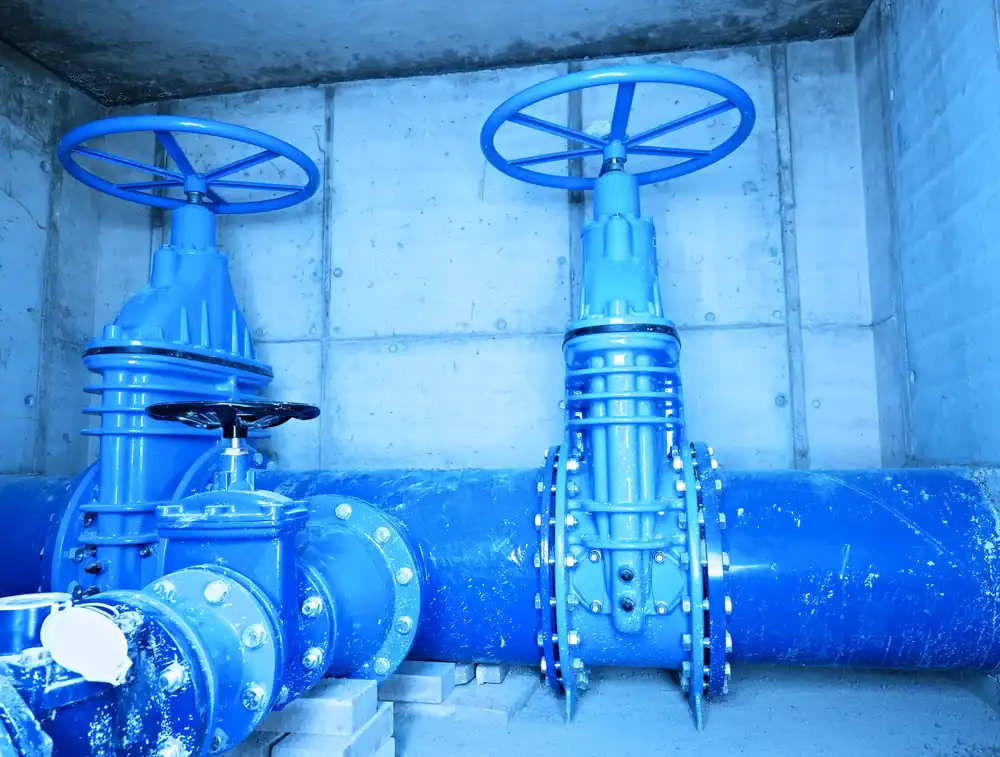
For main sewer line work, you’re choosing between trenchless pipe lining, pipe bursting, or traditional excavation. Pipe lining creates a new pipe inside your existing one using epoxy-saturated materials. It works when your pipes have cracks or leaks but maintain structural integrity. Pipe bursting completely replaces damaged pipes by breaking apart the old one while pulling new pipe into place.
Both trenchless methods deliver 50 to 100 year lifespans. Traditional excavation with new PVC or HDPE pipe offers similar durability, but the total project cost and property impact differ dramatically.
Trenchless Pipe Relining Cost and When It Makes Sense
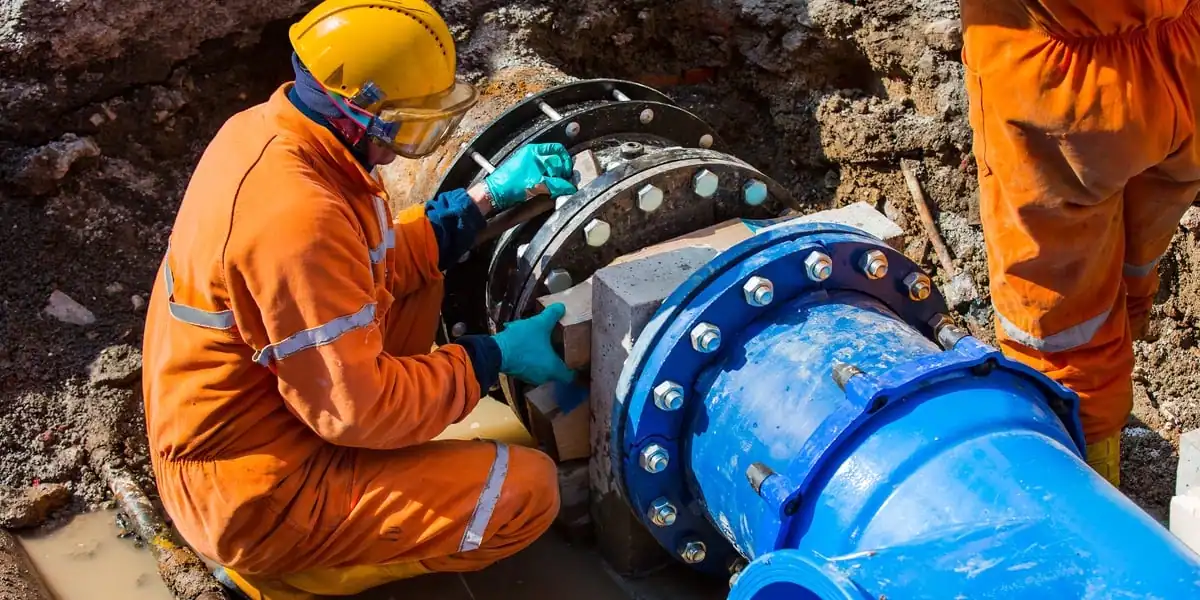
Trenchless pipe relining cost typically falls between $80 and $250 per linear foot in Nassau County. The process works by inserting a flexible, resin-coated liner into your existing pipe, inflating it to fit against the pipe walls, and curing it in place. The result is a seamless new pipe inside the old one.
This method excels when your existing pipes maintain their basic shape but suffer from cracks, leaks, or joint problems. It’s particularly effective for Nassau County properties dealing with tree root intrusion. The smooth interior surface and seamless construction prevent future root penetration, solving a recurring problem that traditional repairs often can’t fix permanently.
The liner reduces your pipe’s internal diameter by about a quarter inch, but the smooth surface actually improves flow compared to corroded or damaged pipes. Most homeowners notice better drainage after lining. The cured liner lasts 50-plus years with proper installation.
Camera inspection determines if your pipes qualify for lining. If the pipe has completely collapsed or shifted severely out of alignment, lining won’t work. In those cases, pipe bursting or traditional excavation becomes necessary. But for pipes that are structurally sound with localized damage, relining offers the most cost-effective solution.
The speed matters too. Most relining projects complete in three to five hours. You’re back to normal use the same day. Compare that to traditional excavation’s three to seven day timeline plus weeks of restoration work, and the value becomes clear beyond just the dollar amount.
Sewer Line Lining Cost vs Full Replacement: Making the Right Choice
Sewer line lining cost and full replacement cost differ not just in price but in what you’re actually getting. Lining repairs your existing pipe by creating a new interior. Full replacement gives you a completely new pipe, either through trenchless pipe bursting or traditional excavation.
Pipe bursting costs $150 to $190 per linear foot. It works even on severely damaged or collapsed sections because the old pipe doesn’t need to maintain its shape. The bursting head breaks apart the damaged pipe while simultaneously pulling new HDPE pipe into place. You get a brand new pipe with minimal surface disruption.
Traditional excavation runs $50 to $200 per foot for the plumbing work, but remember those restoration costs. When your line runs under a driveway in Nassau County, you’re adding $2,000 to $5,000 just to replace the concrete. Under mature landscaping with specimen trees? Add another $3,000 to $10,000 for restoration.
The choice depends on your pipe’s condition and your property layout. If your pipes are round but leaking, lining saves money. If they’ve collapsed or you’re dealing with outdated materials like Orangeburg pipe, you need full replacement. If your line runs through open yard space with minimal landscaping, traditional excavation might work. If it’s under your driveway or through established gardens, trenchless methods protect your investment.
Nassau County’s aging housing stock means many homeowners face this decision. Homes built in the 1950s through 1970s often have original cast iron or clay sewer lines reaching 60 to 70 years old. These pipes are reaching the end of their lifespan. The question isn’t if they’ll need replacement, but when and which method makes financial sense.
We recommend camera inspection before deciding. That $100 to $500 investment shows exactly what’s wrong, where the damage is located, and which repair method will actually work. It prevents paying for the wrong solution or getting oversold on full replacement when spot repair would handle the problem.
Which Sewer Repair Method Saves More Money Long-Term
Trenchless lining saves more money than excavation for most Nassau County homeowners when you factor in total project costs. The repair price might run higher per foot, but you avoid the $5,000 to $15,000 restoration bill that comes with digging. You’re back to normal life in one to two days instead of weeks. And you get 50 to 100 years of performance from a seamless, root-resistant pipe.
Traditional excavation makes sense in specific situations: completely collapsed pipes, severe misalignment, or shallow lines under minimal landscaping. But for the majority of sewer line problems, trenchless methods deliver better value by protecting your property investment while solving the plumbing issue.
The key is working with experienced contractors who use camera inspection to diagnose the actual problem and recommend the right solution for your specific situation. We bring nearly 40 years of Nassau County experience to every project, specializing in trenchless technologies that minimize disruption while delivering lasting results.