

Summary:
You flush the toilet and water starts backing up into your shower. Multiple drains are gurgling. There’s a smell you can’t ignore. The plumber you just called asks one question: “Do you know where your sewer cleanout is?” And you have no idea what they’re talking about.
Most Nassau County homeowners don’t think about their sewer cleanout until something goes wrong. By then, not knowing where it is costs you time, money, and a lot of unnecessary stress. Your cleanout is the direct access point to your main sewer line—the difference between a quick fix and digging up your entire yard. Let’s find yours before you actually need it.
What Is a Sewer Cleanout and Why Does It Matter
A sewer cleanout is a capped pipe that provides direct access to your main sewer line. Think of it as a service door for your plumbing system. When your main line gets clogged with tree roots, grease buildup, or other debris, plumbers use this access point to clear the blockage without excavating your property.
The cleanout typically appears as a 3-to-4-inch diameter pipe with a removable cap. On Long Island properties, you’ll usually find it somewhere between your house and the street, though the exact location depends on when your home was built and how your plumbing was designed. Without this access point, clearing a main sewer line clog becomes exponentially more expensive and invasive.
Here’s why it matters for Nassau County homeowners specifically. Long Island’s high water table, salt air, and soil conditions create plumbing challenges you won’t find inland. Your cleanout isn’t just convenient—it’s often the only practical way to address these region-specific issues without causing major property damage.
Common Outdoor Locations for Sewer Cleanouts
Start your search outside, close to your home’s foundation. Most Long Island properties built after 1985 have an outdoor cleanout installed somewhere within 5 to 10 feet of where the main sewer line exits the house. Look for a short pipe sticking up from the ground with a cap on top—it might be white PVC, black ABS plastic, or older cast iron.
Check near bathrooms first. Cleanouts are often positioned on the exterior wall closest to your main bathroom or where multiple plumbing fixtures connect. Walk the perimeter of your house and look for any capped pipes at ground level. They’re frequently located in planting beds, which is why so many homeowners lose track of them over the years.
The property line is another common spot. Some municipalities require cleanouts near where your private sewer lateral connects to the public system. This location gives both you and the city access to the line if problems arise. Look for a round or rectangular cover flush with the ground, sometimes marked with “sewer” or “S” stamped on top.
Don’t be surprised if you can’t see it right away. Landscaping projects, mulch applications, and years of lawn care often bury cleanouts under several inches of soil or vegetation. That’s actually one of the biggest problems Long Island homeowners face—the cleanout exists, but nobody knows where anymore. If you’re doing any yard work or adding landscaping, mark your cleanout location first so you don’t accidentally bury it deeper or damage it with equipment.
Here’s something specific to coastal Nassau County properties: salt air accelerates corrosion on metal cleanout caps. If your home is within a mile of the ocean, your cap might be rusted shut or deteriorated to the point where it’s hard to recognize. That greenish-blue corrosion on copper or the rust on cast iron isn’t just cosmetic—it can make emergency access nearly impossible without professional tools.
Indoor Cleanout Locations in Basements and Crawl Spaces
If you have a basement, head down there and look for your main sewer line—the largest drain pipe, usually 3 to 4 inches in diameter. Follow that pipe to where it exits your house toward the street. You’ll often find a cleanout fitting right there, either on the pipe itself or on the floor where the line leaves the foundation.
Indoor cleanouts are more common in older Long Island homes or properties with finished basements where outdoor access would have been difficult to install. They’re also standard in homes built on slab foundations, where running the line outside wasn’t practical. Look for a Y-shaped or T-shaped fitting with a capped opening—that’s your cleanout.
Utility rooms, crawl spaces, and garages are other spots to check. The cleanout might be mounted on a wall or positioned on the floor near where plumbing fixtures drain into the main line. It won’t always be obvious, especially if it’s been painted over or tucked behind stored items. Clear the area around your main drain pipes and look carefully for any removable caps or plugs.
One advantage of indoor cleanouts: they’re protected from Long Island’s weather extremes. No salt air corrosion, no freezing in winter, no risk of being buried under landscaping. The downside? If you need to open it during a backup, you’re dealing with potential sewage overflow inside your home instead of in the yard. That’s why we prefer outdoor access when it’s available—it contains the mess outside where it’s easier to manage.
Homes built before the 1970s might not have a dedicated cleanout at all. Back then, building codes didn’t always require them. If you’ve searched thoroughly and can’t find one anywhere, that’s probably why. The good news: installing a modern cleanout is straightforward for an experienced plumber and will save you money on every future service call. It’s worth doing proactively rather than waiting for an emergency.
Sewer Line Cleanout Challenges Specific to Nassau County
Long Island isn’t like other places when it comes to plumbing. The high water table, coastal salt air, and unique soil composition create specific challenges that affect how your sewer cleanout functions and how well you can access it when needed.
The water table issue is significant. In many Nassau County areas, groundwater sits relatively close to the surface. During heavy rains or seasonal changes, that water level rises even higher. When your sewer system is already stressed and the water table floods into your cesspool or affects drainage, having clear access to your cleanout becomes critical for diagnosis and sewer repair. You can’t wait days to locate it while your basement is flooding.
Salt air is the other major factor. If you live anywhere near the coast, you’ve seen what salt does to metal over time. That same corrosion affects your sewer cleanout cap, making it deteriorate faster than it would inland—sometimes five to ten times faster according to research on coastal infrastructure. A cap that should last decades might need replacement in just a few years. Worse, the corrosion can fuse the cap to the pipe threads, making it nearly impossible to remove without damaging the fitting.
How High Water Tables Affect Sewer Cleanout Access
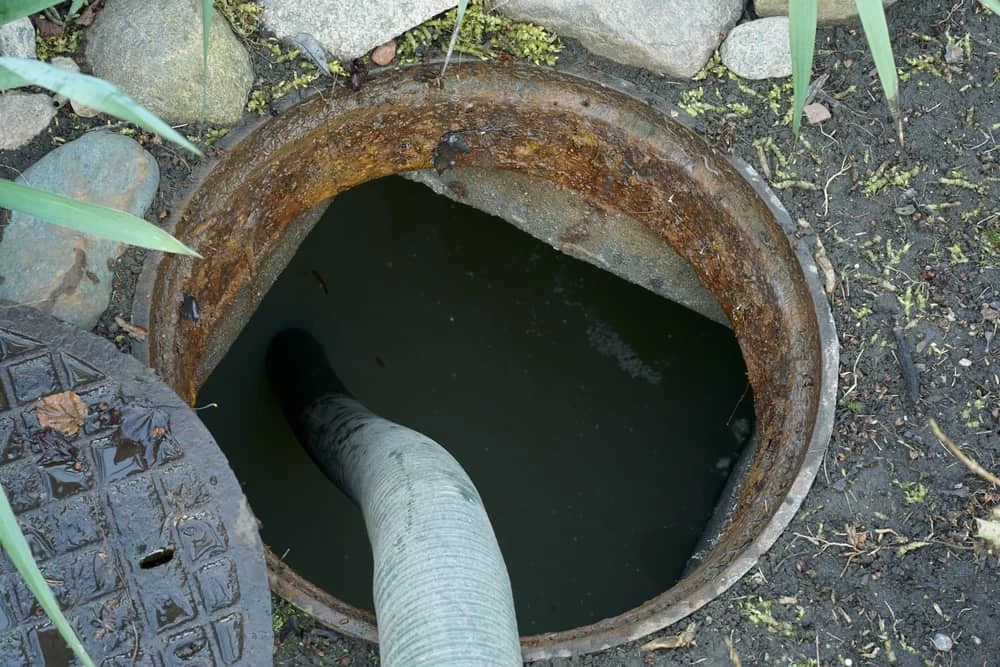
Nassau County’s naturally high water table creates a unique problem. When the ground becomes saturated from rain or when seasonal water levels rise, that groundwater can actually flood into your sewer system through the same porous walls designed to let wastewater out. This adds volume your system wasn’t designed to handle and can trigger backups even if you just had the line cleaned.
Your cleanout becomes especially important during these conditions. We need to access the line to determine whether you’re dealing with a simple clog, root intrusion, or a system overwhelmed by groundwater infiltration. Each problem requires a different solution. Without cleanout access, diagnosis takes longer and costs more because we’re working blind.
The sandy soil common across much of Long Island makes this worse. Sand doesn’t filter contaminants the way clay soil does—it just lets everything pass through quickly. That means when your sewer system has issues, the problem can affect groundwater and surrounding properties faster than it would in other regions. Quick access through a properly maintained cleanout helps address issues before they spread.
Basement flooding is always a risk in areas with high water tables. When your sewer backs up during heavy rain, the water has nowhere to go but up—into your lowest drains, floor drains, and potentially throughout your basement. If your cleanout is accessible, we can often relieve that pressure and prevent interior damage. If we have to spend an hour searching for a buried cleanout first, the damage multiplies while you wait.
Some Long Island homes deal with this by having both indoor and outdoor cleanouts. The outdoor one provides easy access for routine maintenance and clears issues before they reach the house. The indoor one serves as a backup access point and sometimes includes a backwater valve to prevent sewage from flowing back into the home during flooding. If you’re having cleanouts installed or updated, ask us whether your specific location and water table conditions warrant having both.
When to Call a Professional vs. Attempting DIY Cleanout Access
Let’s be clear about something: locating your cleanout is a homeowner task. Opening it during a sewer backup is not. The difference matters because getting it wrong can turn a manageable problem into a disaster that floods your property with raw sewage.
You should absolutely find and mark your cleanout location while everything is working normally. Walk your property, check the likely spots we’ve discussed, and once you locate it, mark it clearly so you can direct us to it during an emergency. Keep the area around it clear of landscaping, debris, and anything that would block access. That’s smart homeownership and it’ll save you money on service calls.
What you shouldn’t do: try to open the cleanout cap yourself if your system is backing up. Here’s why. When your main sewer line is clogged, pressure builds up behind that blockage. The moment you remove the cleanout cap, all that backed-up sewage can come flooding out with significant force. It’s not a slow drip—it’s a geyser of waste that can contaminate your yard, your basement, or wherever the cleanout is located.
We know how to relieve that pressure safely, contain the mess, and clear the blockage without creating additional problems. We have the right protective equipment, the tools to control the flow, and the experience to handle what comes out of that pipe. You don’t want to learn these lessons the hard way.
The same goes for caps that won’t budge. Older metal cleanout caps, especially ones affected by Long Island’s salt air, can corrode and fuse to the pipe threads. Forcing them with the wrong tools can crack the fitting, strip the threads, or break the pipe itself. Then you’re not just dealing with a clog—you’re dealing with a damaged cleanout that needs replacement before anyone can even address the original problem.
Chemical drain cleaners are another common mistake. They don’t work on main line clogs—the blockages are too large and too far from where you’d pour the chemical. All you accomplish is putting harsh acid or lye into your pipes where it sits, eating away at the pipe material (especially older cast iron) until we arrive. That creates a safety hazard for our technicians and damages your infrastructure. Never use chemical cleaners for main sewer line issues.
Here’s what you can do: if you have a single slow drain, a plunger or a handheld snake might help with a simple clog near that fixture. If multiple drains are affected, if you smell sewage, if you hear gurgling from toilets when you run water elsewhere, or if you see any backup in floor drains—stop. Don’t pour anything down the drains, don’t flush toilets, and call us immediately. Those are all signs of a main line problem that requires professional equipment like motorized drain augers, hydro-jetting systems, or camera inspection technology.
The cost difference between a routine cleanout service and an emergency cleanup after you’ve accidentally flooded your property with sewage is massive. So is the health risk. Raw sewage contains bacteria, viruses, and pathogens that create serious contamination issues. Professional remediation after a sewage spill can run into thousands of dollars. The service call to have us handle it correctly from the start? A fraction of that cost.
Protecting Your Long Island Property Through Cleanout Awareness
Your sewer cleanout might be the most important part of your plumbing system you’ve never thought about. Now you know where to look for it, why Long Island’s unique conditions make it especially critical here, and when to call in professional help instead of trying to handle issues yourself.
Take an hour this weekend to locate your cleanout if you haven’t already. Mark it clearly, keep the area accessible, and make sure you know exactly where to direct us if problems arise. That simple preparation can save you thousands in emergency repairs and property damage.
If you can’t find your cleanout, if it’s damaged or corroded, or if you’re dealing with recurring sewer issues, we’ve spent nearly 40 years solving exactly these problems for Nassau and Suffolk County homeowners. Our expertise with Long Island’s high water tables, salt air challenges, and local soil conditions means we understand what makes your plumbing different from properties anywhere else—and how to address it effectively with minimal disruption to your property.