
Summary:
Your kitchen sink drains slowly. You call someone, they clear it, and three months later it’s backing up again. Sound familiar? The problem isn’t that the last cleaning didn’t work—it’s that the method used only punched a hole through the blockage instead of actually cleaning the pipe. When it comes to sewer drain cleaning, the approach matters as much as the result. Hydro jetting and rooter services both clear clogs, but they work differently, cost differently, and deliver different long-term outcomes. Here’s what you need to know before choosing one over the other.
How Hydrojet Drain Cleaning Works
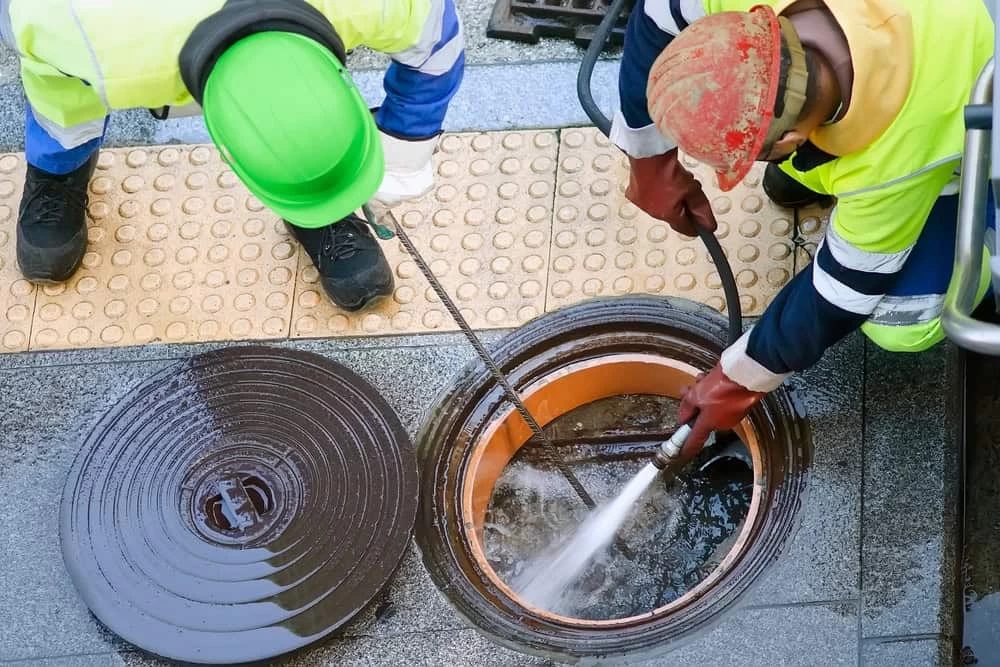
Hydro jetting uses high-pressure water—typically between 1,500 and 4,000 PSI—to clean the entire interior surface of your sewer pipes. It’s not just about breaking through a clog. The water is directed through specialized nozzles that push forward while spraying backward, scouring away grease, sludge, mineral deposits, and even small tree roots that have worked their way into the line.
Where a rooter service creates an opening so water can flow again, hydro jetting restores the pipe to nearly its original diameter. That’s the difference between a temporary fix and actually resetting the condition of your sewer line.
When Hydro Jetting Is the Right Choice
Hydro jetting makes sense when you’re dealing with recurring problems, not one-time clogs. If you’ve had your main sewer line cleaned twice in the past year, you’re not dealing with random blockages—you’ve got buildup that keeps coming back because it was never fully removed.
This method is especially effective for grease accumulation in kitchen lines. Grease doesn’t just wash away with a cable. It coats the pipe walls and traps other debris. Over time, that coating gets thicker until water can barely pass through. Hydro jetting strips that coating off completely.
Tree root intrusion is another situation where hydro jetting delivers results that rooter service can’t match. Roots grow into sewer lines through small cracks and joints, seeking moisture. A rooter can cut through them temporarily, but hydro jetting removes the root mass and clears the debris they’ve trapped. It doesn’t stop roots from growing back—nothing short of pipe replacement does that—but it gives you significantly more time before the next service call.
For Nassau County homeowners dealing with older cast iron or clay pipes, hydro jetting also removes the mineral scale and corrosion buildup that accumulates over decades. Long Island’s water quality and coastal conditions accelerate this process. Salt air corrodes metal fixtures faster than in inland areas, and the high water table in parts of Nassau County creates additional pressure on aging infrastructure. Hydro jetting addresses the specific types of buildup that develop in these conditions.
Before any hydro jetting work begins, a camera inspection should happen first. That camera shows the condition of your pipes in real time. If there are cracks, weak spots, or sections that have deteriorated, we need to know before sending high-pressure water through the line. Damaged pipes might need repair or gentler cleaning methods first. We don’t skip this step.
Hydrojet Drain Cleaning Cost: What to Expect
Hydro jetting typically costs between $600 and $1,400 for residential sewer lines, depending on the severity of the clog, the length of your sewer line, and how accessible your cleanout is. That’s higher than rooter service, which usually runs $200 to $500. But here’s the part that matters: hydro jetting results last significantly longer.
When you pay for hydro jetting, you’re paying for thorough cleaning that prevents clogs from returning for two to three years on average. When you pay for rooter service, you’re paying to restore flow—but the buildup that caused the problem is still there, which means you’ll likely need service again within months. If you’re calling a plumber every few months to clear the same line, you’ll spend more on repeated rooter service than you would have on one hydro jetting session.
Several factors affect the final price. Longer sewer lines take more time to clean thoroughly. Most residential properties have lines ranging from 50 to 150 feet. The more footage that needs cleaning, the higher the cost. Accessibility matters too. If your property has an easily accessible cleanout at ground level, the work moves faster. If we have to remove a toilet or access the line through a roof vent, that adds labor time.
Older pipes may require gentler pressure settings and more careful handling, which can extend the service time. Clay and cast iron pipes that have been in the ground for 40 or 50 years don’t have the same structural integrity as newer PVC systems. A camera inspection helps determine what pressure is safe for your specific pipes. Some companies include the camera inspection in their hydro jetting price; others charge separately. Ask before the work starts so you know what you’re paying for.
Emergency service costs more. If you need hydro jetting on a weekend, holiday, or in the middle of the night, expect to pay a premium—often 50% to 150% more than scheduled appointments during regular business hours. That’s standard across the industry. If your situation isn’t an immediate emergency, scheduling during normal hours saves money.
Most plumbing companies charge a service call fee or diagnostic fee before any work begins. This fee typically ranges from $50 to $200 and covers the cost of traveling to your property and assessing the issue. Many companies will waive or credit this fee toward your final bill if you hire them to perform the work. It’s worth asking about their policy when you call.
Sewer Line Cleaning with Rooter Service
Rooter service uses a flexible cable with a cutting or boring head to break through blockages. The cable is fed into your drain line, and the head at the end breaks apart obstructions like compacted debris, paper buildup, or early-stage root intrusion. Once the blockage is cleared, water can move through the pipe again.
That’s exactly what it’s designed to do—restore flow. It doesn’t clean the pipe walls. It doesn’t remove the grease coating or mineral scale. It creates a pathway through the obstruction, which is often all you need for a simple, localized clog.
When Rooter Service Makes Sense for Your Drains
Rooter service is the right call for straightforward blockages that haven’t had time to harden or spread. If you drop something down the drain that doesn’t belong there, a rooter can remove it. If you have a hair clog in a bathroom drain or a localized backup near a single fixture, rooter service handles it quickly and affordably.
It’s also the better choice when you need immediate relief and plan to follow up with a more thorough cleaning later. If your main sewer line backs up into your basement on a Friday night, getting water flowing again is the priority. Rooter service can clear the immediate blockage so you can use your plumbing over the weekend, then schedule hydro jetting during regular business hours to address the underlying buildup.
For first-time issues in newer homes with PVC plumbing, rooter service often provides a complete solution. Newer pipes don’t have decades of scale buildup. If the clog is truly isolated—a wad of paper towels that shouldn’t have been flushed, for example—clearing it with a cable is sufficient.
The limitation of rooter service becomes clear when you’re dealing with recurring problems. If the same drain keeps clogging even after it’s been rooted, the issue isn’t the blockage itself—it’s what’s causing the blockage to form in the first place. Grease buildup, mineral deposits, and root intrusion all create conditions where debris gets trapped more easily. Rooter service clears the debris, but it doesn’t change the conditions. That’s why the clog comes back.
Homeowners who treat each recurring clog individually—calling for rooter service every few months—end up spending more than they would have on hydro jetting. It’s not that rooter service is a bad option. It’s that it’s the wrong tool for certain problems. Knowing when you’ve crossed the line from “occasional clog” to “recurring issue” is important.
Nassau County Sewer Cleaning Challenges You Should Know
Long Island’s coastal environment creates specific challenges that affect how sewer lines age and what cleaning methods work best. Salt air accelerates corrosion in metal pipes—copper, galvanized steel, and cast iron all deteriorate faster here than in inland areas. That corrosion creates rough interior surfaces where debris catches more easily, leading to more frequent clogs.
The high water table in parts of Nassau County puts additional pressure on underground pipes. When the ground stays saturated, it shifts and settles differently than drier soil. That movement can cause pipes to separate at joints or develop low spots where waste collects instead of flowing freely. These “bellied” sections become chronic trouble spots that need regular attention.
Soil conditions vary dramatically across Long Island. Sandy soil in some areas allows sewer lines to shift and separate over time. Clay soil in other parts holds water and creates pressure on foundation walls and pipes. Both conditions affect how pipes age and what types of problems develop. A plumber familiar with Nassau County’s specific challenges can anticipate these issues and recommend appropriate solutions.
Tree root intrusion is common in older neighborhoods with mature landscaping. Roots naturally seek moisture, and even a small crack in a sewer line provides the perfect entry point. Once inside, they grow quickly, trapping debris and eventually blocking the line entirely. Hydro jetting can remove root masses and the debris they’ve collected, but it won’t prevent roots from growing back. If camera inspection reveals significant root intrusion, you may need to address the root source—either by removing the tree or installing a new sewer line that’s resistant to root penetration.
Older clay and cast iron pipes that have been in the ground for 40 or 50 years require careful handling. High-pressure water can damage pipes that are already cracked or deteriorated. That’s why camera inspection before hydro jetting isn’t optional—it’s essential. The camera shows exactly what condition the pipes are in and whether they can handle the pressure. If they can’t, we recommend repair or replacement before attempting hydro jetting.
Understanding these local factors helps you make better decisions about sewer drain cleaning. What works in other parts of the country might not be the best approach for Nassau County properties. Working with a company that has decades of experience in this specific market means you’re getting recommendations based on what actually works here, not generic advice.
Making the Right Choice for Your Sewer Drain Cleaning Needs
The choice between hydro jetting and rooter service comes down to what your pipes actually need, not which method costs less upfront. For recurring clogs, heavy grease buildup, tree root intrusion, or situations where you want preventive cleaning, hydro jetting delivers results that last. For simple, one-time blockages in newer pipes, rooter service gets water flowing again quickly and affordably.
A camera inspection removes the guesswork. It shows what’s happening inside your pipes so you can make decisions based on evidence instead of assumptions. That’s how you avoid paying for the wrong service or repeating the same repair multiple times.
If you’re dealing with slow drains, recurring backups, or sewer problems specific to Nassau County’s coastal conditions, we bring nearly 40 years of local experience to every job. Our approach starts with understanding what’s actually wrong before recommending what to do about it.